Spotify makes Release Radar more customizable with new listening filters
By the AIdeaFlow Team
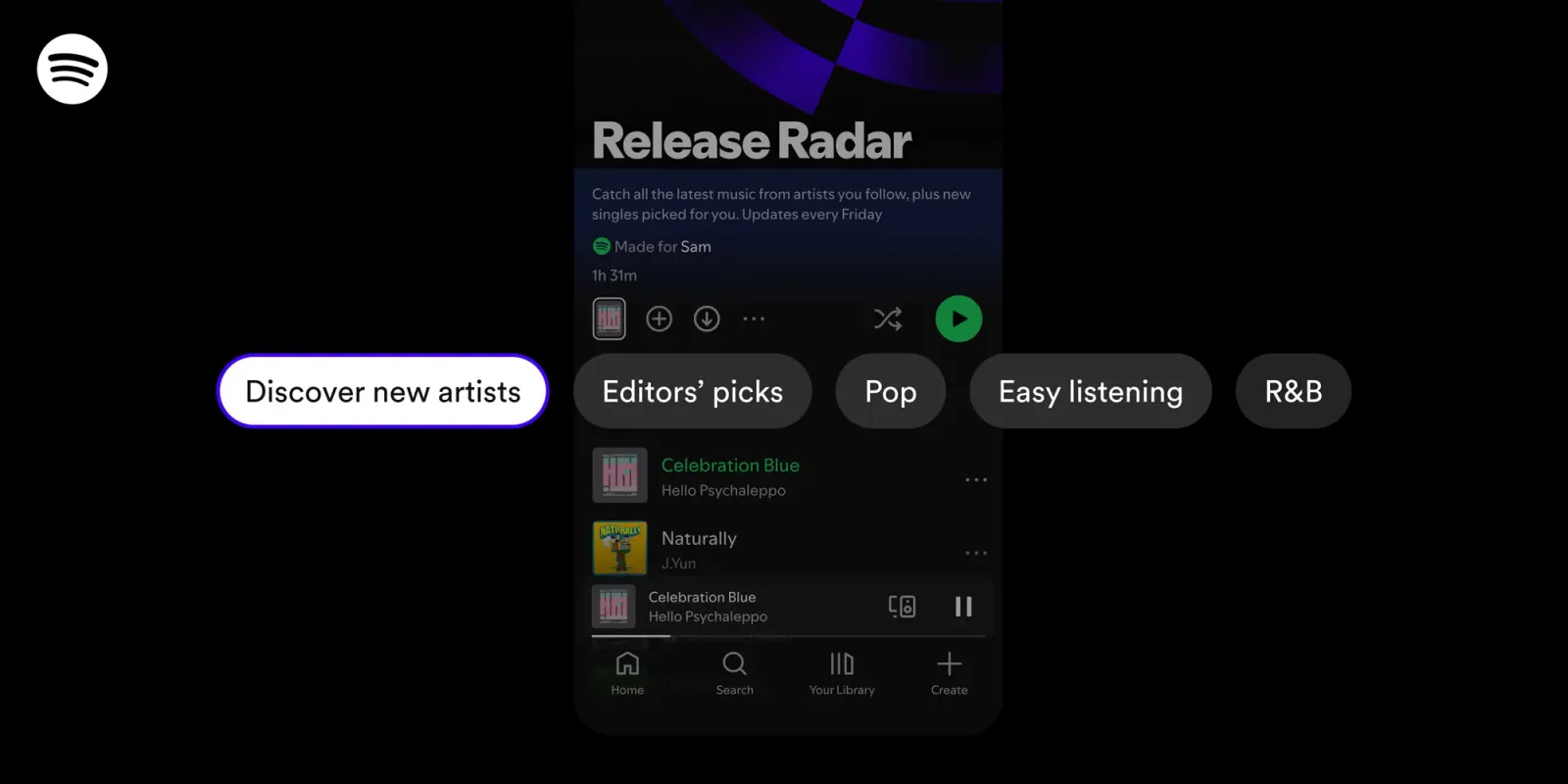
Spotify has officially announced a significant update to its Release Radar feature, allowing listeners to apply specific filters to the music recommendations they receive every Friday. According to the company, this change is designed to give users more granular control over the algorithmic curation that drives their weekly discovery experience. This is not just a minor UI tweak but a fundamental shift in how the platform handles personalized content delivery.
For years, Release Radar has been a black box for many users. You received a playlist of new tracks from artists you follow and some algorithmic suggestions, but you had little say in who appeared on that list. The new customization options empower users to exclude certain genres, artists, or even specific types of releases. This transparency is crucial for building trust in AI-driven recommendation engines.
The implications of this move extend far beyond simple user satisfaction. It reflects a broader industry trend where platforms are moving away from opaque, one-size-fits-all algorithms toward more participatory design. Users are increasingly demanding agency over the digital experiences that shape their daily lives. By allowing filters, Spotify is acknowledging that personalization is not just about what the AI thinks you like, but what you actively choose to engage with.
From a technical perspective, this update suggests that Spotify’s recommendation engine is becoming more modular. Instead of a monolithic model that outputs a single playlist, the system likely now supports conditional logic based on user-defined parameters. This modularity could pave the way for even more sophisticated filtering options in the future, such as mood-based or context-aware exclusions.
This development also highlights the competitive pressure in the streaming market. With Apple Music, Amazon Music, and others vying for attention, Spotify must differentiate itself through superior user experience and control. Giving users the reins to their own discovery tools is a smart strategy to reduce churn and increase engagement. It turns a passive listening habit into an active curation ritual.
The move also raises interesting questions about the role of AI in creative industries. As algorithms become more powerful, the balance of power between the platform and the creator shifts. By allowing users to filter out certain artists, Spotify is indirectly giving listeners the power to influence which creators get exposure. This dynamic could reshape how artists approach their release strategies and audience building.
What this means for you: If you use AI tools for content discovery or curation, this trend toward user-controlled filters is a model you should adopt. Consider implementing similar transparency in your own workflows. For example, if you use an AI assistant to summarize news or curate research, try adding a prompt that allows you to exclude specific topics or sources. This gives you better control over the output and ensures the AI aligns with your specific needs. Try this prompt: 'Filter the following summary to exclude any mentions of [specific topic] and focus only on actionable insights related to [your goal].'
The release of these filters is a small but significant step toward a more democratic and transparent digital ecosystem. It shows that the future of AI is not just about smarter algorithms, but about better human-AI collaboration. As these tools evolve, we can expect more platforms to offer similar levels of control and customization. This is a win for users who want to stay in the driver's seat of their digital lives.
Ready to apply this tech at your business?
Viking Net helps teams in San Antonio and worldwide stay ahead.