Pushing the limits: Infinite Machine's Olto is barely a bicycle
By the AIdeaFlow Team
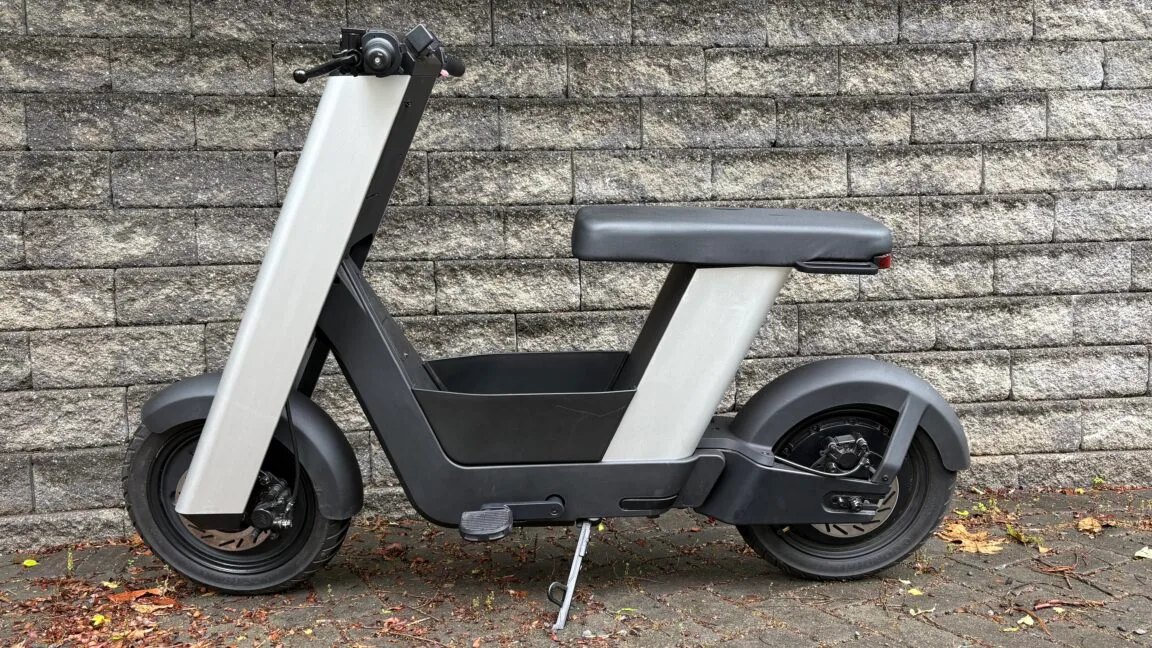
The landscape of urban micro-mobility is shifting rapidly, and Infinite Machine’s latest entry into the fray, the Olto, is making a bold statement about how we navigate city streets. According to recent reporting, this device is technically classified as a bicycle, yet it deliberately abandons the traditional cycling experience in favor of something far more akin to a classic Vespa scooter. It is a design choice that prioritizes comfort and ease of use over the physical exertion most cyclists expect from a bike.
What makes the Olto particularly interesting is its dual identity. While it can operate as a Class 2 or Class 3 electric bike, the company explicitly recommends locking the pedals in a forward position to serve as footrests. This effectively transforms the riding posture into that of a scooter rider. The result is a vehicle that feels like a high-end electric scooter but retains the legal and infrastructural advantages of a bicycle in many urban environments.
This strategic positioning allows riders to bypass the often chaotic and car-dominated roads reserved for motor vehicles. Instead, they can utilize the growing network of protected bike lanes that are becoming standard in major cities. By adhering to bicycle regulations, the Olto offers a safer, more predictable riding experience that is increasingly difficult to achieve with traditional electric scooters or mopeds.
The engineering behind the Olto also addresses common pain points associated with electric two-wheelers. The device features a rugged design intended to withstand daily abuse, along with thoughtful security features that give owners the confidence to park it anywhere. This durability is paired with a capacious battery, ensuring that range anxiety remains a distant memory for most commuters. The overall layout echoes the timeless appeal of a Vespa, blending nostalgia with modern electric propulsion.
Perhaps the most compelling argument for the Olto is its pricing strategy. It delivers many of the premium features found in its sibling model, the P1, at less than half the cost. This aggressive pricing makes high-quality, secure, and comfortable electric mobility accessible to a broader audience. It challenges the notion that you must spend a fortune to get a vehicle that feels robust and reliable.
From an industry perspective, this move highlights a growing trend toward hybrid solutions that blur the lines between different vehicle categories. As cities continue to invest in bike infrastructure, manufacturers are finding ways to maximize the utility of these lanes while minimizing the physical demands on riders. The Olto is not just a product; it is a response to the specific needs of modern urban commuters who want efficiency without the sweat.
What this means for you: If you are looking to integrate electric mobility into your daily routine, consider how local infrastructure influences your choice of vehicle. The Olto’s design suggests that the future of commuting lies in leveraging existing bike lanes for faster, safer travel. You can try using an AI assistant to map out bike-friendly routes in your city that offer the best mix of safety and speed, then compare those routes against scooter-only paths to see which offers the most efficient commute for your specific needs.
Ready to apply this tech at your business?
Viking Net helps teams in San Antonio and worldwide stay ahead.