How headlights got brighter, whiter, and more blinding after dark
By the AIdeaFlow Team
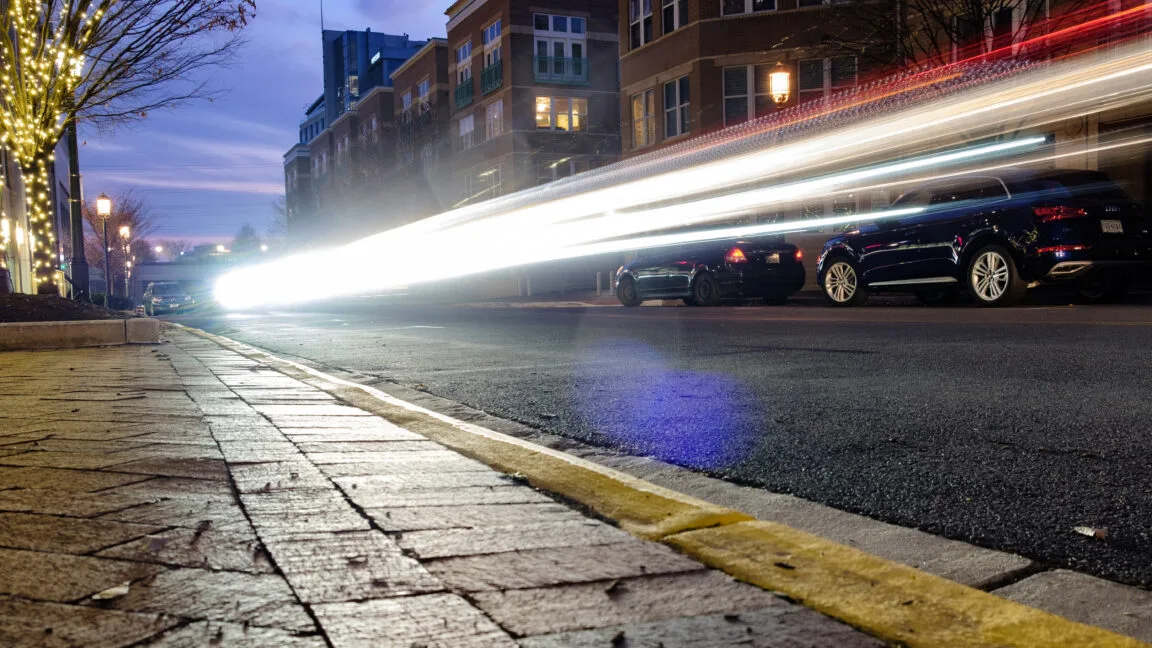
The experience of driving at night has undergone a jarring transformation in recent years. You are likely familiar with the sudden, harsh glare of an oncoming vehicle that feels less like illumination and more like a targeted retinal strike. This is not just a perception issue but a measurable shift in automotive technology that is reshaping our roads.
According to recent reporting on this trend, modern crossovers are cresting hills with cold-white light so intense it resembles a police helicopter joining traffic. The assumption is often that drivers are simply forgetting to dim their high beams. However, the reality is far more complex and rooted in a technological arms race that prioritizes brightness over comfort.
This new era of lighting stands in stark contrast to the early days of transportation. Horse-drawn carriages relied on dim oil lanterns because roads lacked infrastructure. Those low-intensity lights meant that after-dark collisions were common, but they were rarely blinding. The trade-off was visibility for safety, a balance that has now been completely upended.
The culprit is the rapid adoption of LED and laser lighting systems. These technologies allow manufacturers to produce significantly brighter, whiter light than traditional halogen bulbs. While this improves the driver's ability to see the road ahead, it often does so at the expense of other road users. The result is a widespread issue of glare that reduces visibility for everyone else.
This phenomenon represents a classic case of competitive escalation in consumer electronics. As one brand pushes the boundaries of lumen output to market their vehicles as safer or more premium, others feel compelled to follow suit. The end result is a collective decrease in overall road safety due to excessive glare, a problem that persists despite the availability of automatic dimming systems.
The implications for autonomous driving and advanced driver assistance systems are profound. Excessive glare can confuse cameras and sensors, potentially leading to system failures or delayed responses. As cars become more software-defined, the physical environment they operate in must also be standardized to ensure these technologies function reliably.
What this means for you is that awareness is your best defense. If you drive frequently at night, consider upgrading your own vehicle's headlights if they are older halogen units, or ensure your anti-glare mirrors are properly adjusted. To stay ahead of these changes, use an AI assistant to analyze your driving habits and suggest optimal mirror settings or even research local regulations regarding headlight brightness standards in your area.
Try this prompt with your AI assistant: "Analyze the differences between LED, HID, and halogen headlights in terms of glare potential and visibility. Provide a checklist for drivers to minimize glare when encountering oncoming traffic with high-intensity beams." This workflow can help you prepare for the increasingly bright roads ahead.
Ready to apply this tech at your business?
Viking Net helps teams in San Antonio and worldwide stay ahead.