Apple's Ternus era begins as Nvidia bets on the whole AI stack
By the AIdeaFlow Team
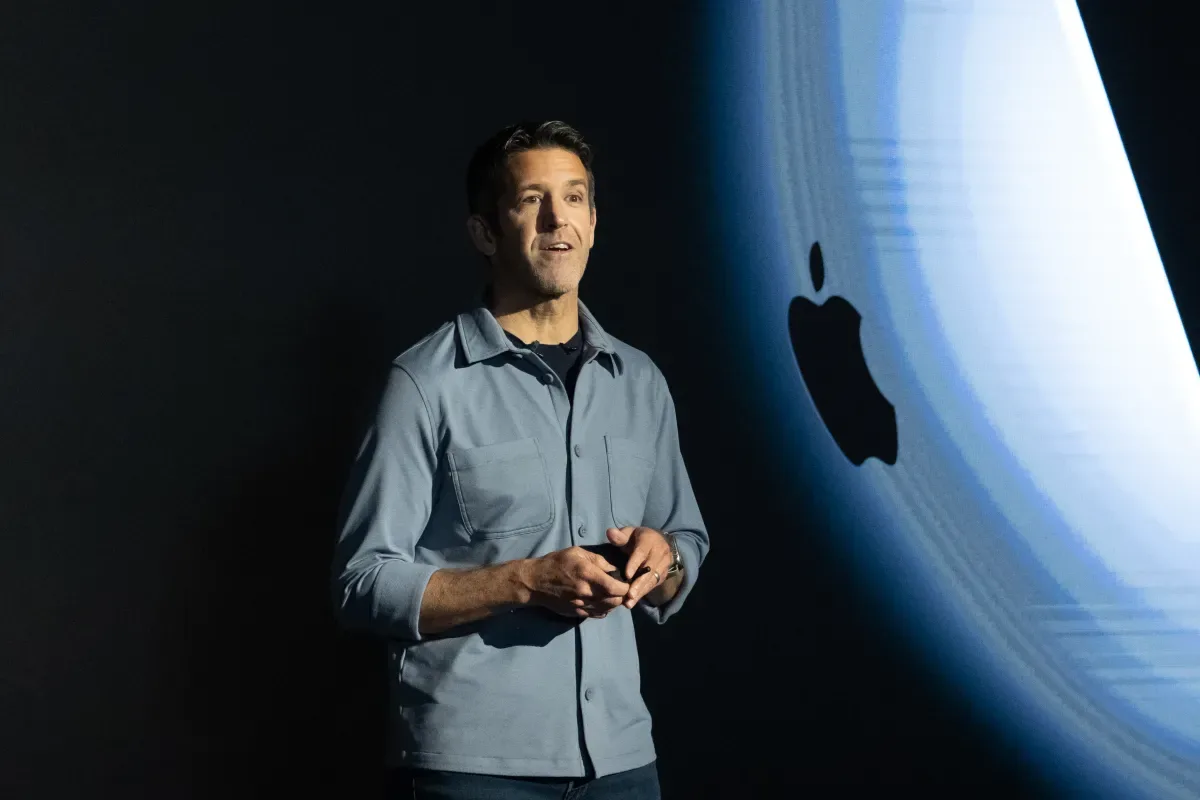
The tech world is watching closely as Apple officially enters the Ternus era. Tim Cook has stepped down as CEO, handing the reins to John Ternus, the former head of hardware engineering. This is a significant moment because Ternus is known for his deep involvement in product development rather than just corporate strategy. His first memo already hints at a busy schedule, promising a huge launch next week that lands squarely on his desk before he has even fully settled into the role.
Cook is not disappearing from the company entirely. He is staying on as Executive Chairman, focusing on high-level policy and long-term vision. This arrangement suggests a careful transition where operational control shifts to Ternus while Cook retains influence over the company's broader direction. It is a classic Apple move to ensure stability during a major leadership change. The market seems to be reacting with cautious optimism, viewing Ternus as a safe pair of hands for the hardware side of the business.
Meanwhile, Nvidia is making its own bold bets on the future of computing. The company is increasingly positioning itself as the provider of the entire AI stack. This means they are not just selling chips but offering the full suite of software and infrastructure needed to run large language models and other AI workloads. This strategy aligns with the growing demand for end-to-end solutions in the enterprise sector. Companies want to avoid the complexity of integrating disparate tools from different vendors.
The connection between these two developments is more subtle than it might appear. Apple has always been known for its vertical integration, controlling both the hardware and the software. Ternus's background in hardware engineering makes him uniquely suited to navigate the complexities of integrating AI into consumer devices. As AI becomes more embedded in our daily lives, the ability to optimize this integration at the silicon level becomes a major competitive advantage. Apple's approach will likely focus on on-device AI rather than relying solely on cloud processing.
Nvidia's strategy complements this trend by providing the heavy lifting for data centers and cloud providers. However, the future of AI is not just about massive servers. It is also about efficient, private, and responsive AI on personal devices. This creates a dual ecosystem where cloud-based models handle complex reasoning while on-device models manage immediate tasks. Apple's strength lies in its ability to make this transition seamless for users who may not even realize they are interacting with AI.
The implications for developers and entrepreneurs are profound. We are moving away from a era where AI was a separate service you accessed through an API. Instead, it is becoming a fundamental layer of the operating system. This shift requires a new set of skills and tools. Developers will need to understand how to optimize models for specific hardware constraints. They will also need to design applications that leverage both cloud and edge computing capabilities effectively.
What this means for you is that the definition of productivity is changing rapidly. If you are using AI tools in your work, you should start thinking about how these tools can be integrated into your local workflow. Instead of relying solely on web-based assistants, consider how on-device AI can help you manage data more privately and efficiently. Try using a local AI assistant to summarize your daily emails or organize your notes without sending sensitive information to the cloud. This approach not only enhances privacy but also reduces latency, making your workflow faster and more responsive. It is a small step that reflects the larger trend toward integrated, efficient AI systems.
Ready to apply this tech at your business?
Viking Net helps teams in San Antonio and worldwide stay ahead.