Tesla’s Cybercab Is Being Investigated by Federal Regulators
By the AIdeaFlow Team
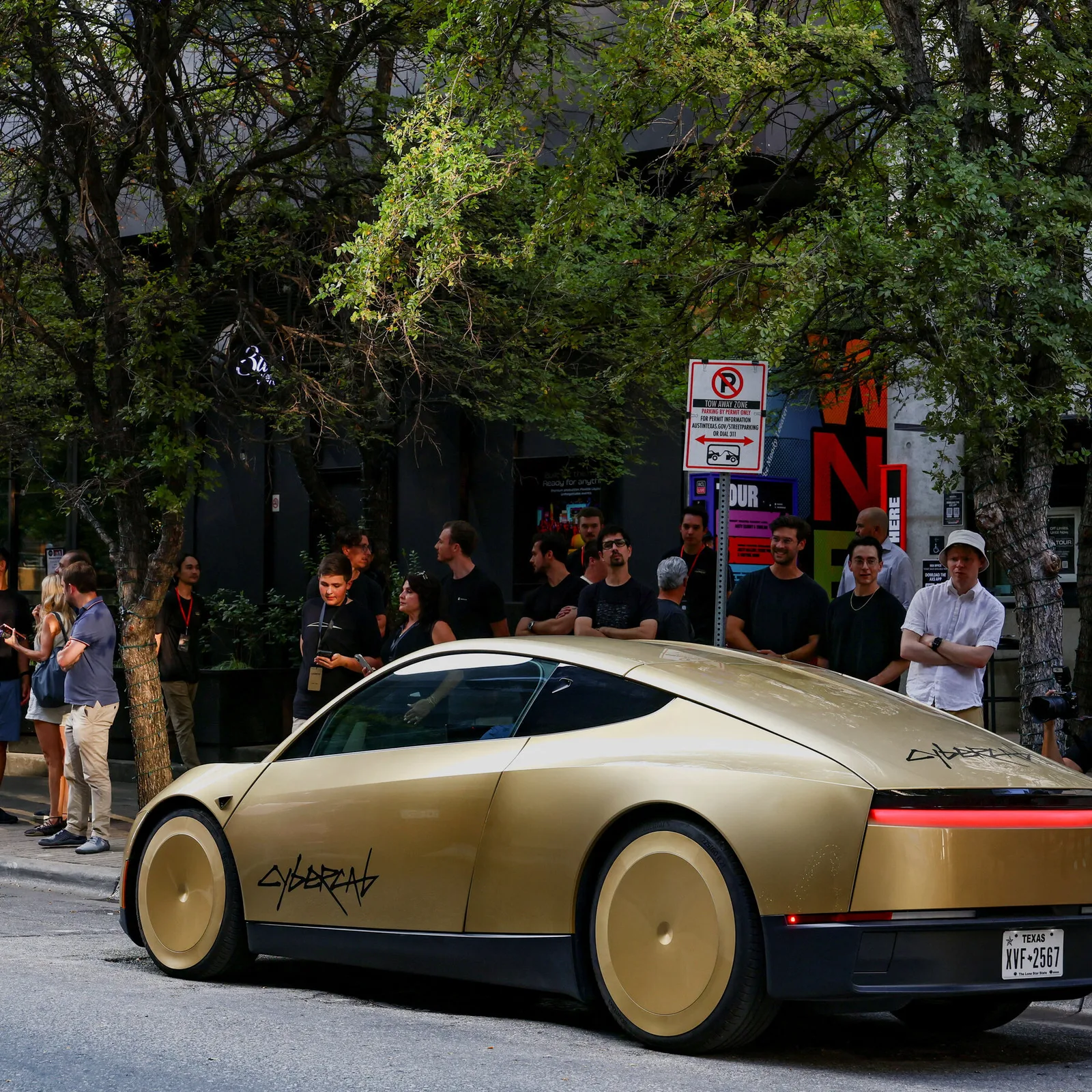
The National Highway Traffic Safety Administration has officially opened an inquiry into Tesla's latest venture into autonomous mobility. According to recent reports, federal regulators are examining whether the Cybercab, a vehicle designed without a steering wheel or pedals, meets existing federal auto safety regulations. This move signals a significant shift in how government bodies approach the rollout of fully driverless technology.
Tesla has long positioned itself as a pioneer in artificial intelligence applied to transportation. The company's vision relies heavily on the assumption that its neural networks can safely navigate complex road environments without human intervention. However, the absence of traditional controls challenges decades of established safety protocols that assume a human driver is always ready to take over in an emergency.
This investigation is not just about hardware compliance. It touches on the core philosophical divide in the AI industry between rapid iteration and cautious validation. Regulators are tasked with ensuring public safety, while tech companies often operate under a mindset of continuous improvement through real-world data collection. The Cybercab represents the ultimate test case for this conflict.
The implications for the broader autonomous vehicle sector are profound. If the NHTSA determines that the Cybercab violates current standards, it could set a precedent that slows down the deployment of other robotaxi services. Conversely, if the vehicle is deemed compliant under a new interpretation of the rules, it could accelerate the legal framework for fully autonomous fleets across the United States.
For AI developers and entrepreneurs, this situation underscores the importance of regulatory foresight. Building cutting-edge technology is only half the battle. The other half involves navigating a complex web of legal and safety requirements that vary by jurisdiction. Companies that ignore these constraints risk costly delays or outright bans on their products.
The outcome of this investigation will likely influence investor confidence and consumer trust in self-driving technology. A favorable ruling could validate Tesla's approach and encourage further investment in AI-driven mobility solutions. A negative ruling might force the company to redesign its vehicles or delay its commercial launch, impacting its market position.
What this means for you: If you are working in AI or tech product development, consider how regulatory compliance integrates into your workflow. You should proactively assess how your tools might face scrutiny from oversight bodies. Try using an AI assistant to simulate a regulatory audit by asking it to identify potential safety or ethical violations in your current project documentation. This can help you prepare for real-world compliance challenges before they arise.
Ready to apply this tech at your business?
Viking Net helps teams in San Antonio and worldwide stay ahead.