Could United Launch Alliance's money problems finally force its owners to sell?
By the AIdeaFlow Team
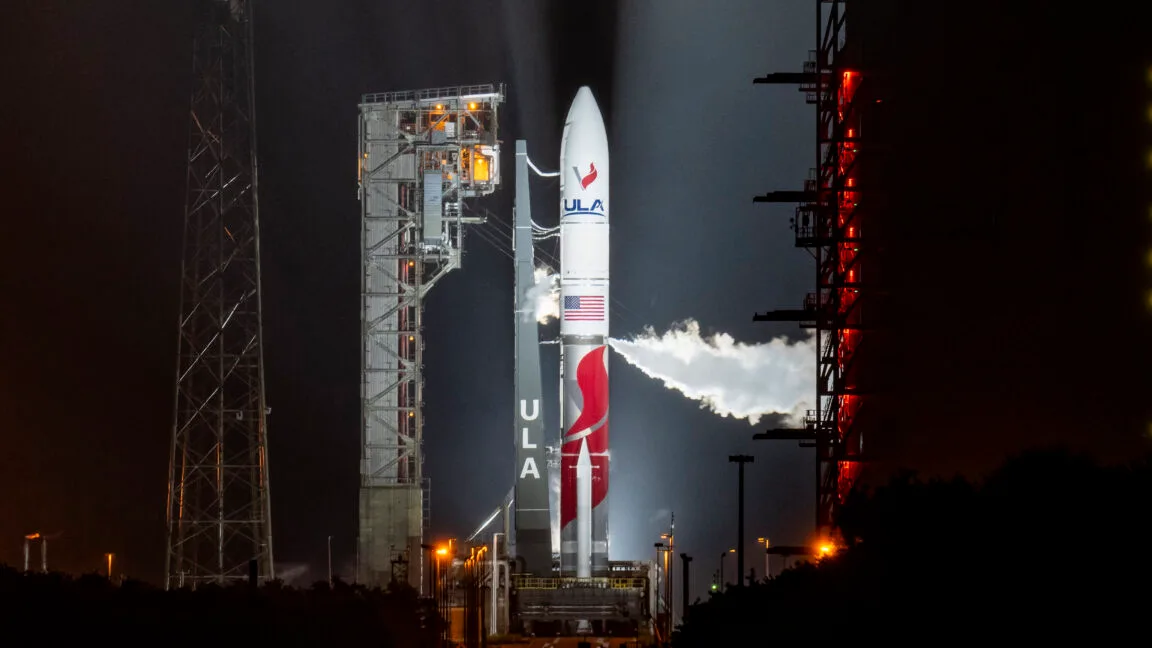
United Launch Alliance is currently navigating a turbulent financial period that could ultimately lead to its sale. This potential shift marks a significant turning point for a company that has long dominated the US government launch market. The pressure to sell suggests that the current business model is no longer sustainable in a rapidly evolving industry.
The core issue lies in the strategic divergence between ULA and its private competitors. Most successful rocket companies have adopted two critical tenets: reusability and diversification. SpaceX has mastered both, moving far beyond simple cargo delivery to dominate human spaceflight, satellite production, and broadband services. This aggressive expansion has created a moat that is difficult for traditional players to cross.
Blue Origin is following a similar path of evolution. What started as a pure rocket company has transformed into a broader aerospace entity. They are now developing satellite manufacturing capabilities and robotics, while also positioning themselves to compete directly with SpaceX's Starlink network. This diversification reduces reliance on launch contracts alone.
Rocket Lab offers another compelling example of strategic adaptation. After achieving success with their small Electron launch vehicle, they relocated to Southern California and expanded their footprint. They have acquired other companies to enter satellite communications and now serve as a merchant supplier for satellite components. Their next-generation Neutron vehicle is also in advanced development, focusing on partial reusability.
ULA has largely resisted this dual approach to growth. While they have made strides with their Vulcan rocket, they have not matched the aggressive diversification seen at SpaceX or Blue Origin. This lack of expansion into adjacent markets like satellite manufacturing or broadband leaves them vulnerable to market shifts and pricing pressures from more agile competitors.
The financial strain on ULA is likely a symptom of this strategic gap. Without new revenue streams from diversified services, the company relies heavily on government contracts. As the government increasingly looks to commercial providers and cost-effective reusable options, ULA's value proposition weakens. A sale could bring in owners who are willing to invest in the necessary technological and strategic overhauls.
This situation highlights a broader trend in the space industry where scale and versatility are becoming the primary drivers of success. Companies that can offer end-to-end solutions, from launch to orbital services, are capturing more value. ULA's potential sale is a stark reminder that legacy advantages do not guarantee future relevance in a disruptive market.
What this means for you: If you are working in aerospace or tech investing, watch how ULA's restructuring impacts the broader launch market. It signals that traditional defense contractors must adapt or risk obsolescence. Try this prompt with an AI assistant to analyze market trends: "Compare the revenue diversification strategies of SpaceX, Blue Origin, and Rocket Lab over the last five years. Identify which non-launch revenue streams have grown the fastest and what this implies for traditional launch providers like ULA."
Ready to apply this tech at your business?
Viking Net helps teams in San Antonio and worldwide stay ahead.