California is trying to shut down robot vs. human cage matches
By the AIdeaFlow Team
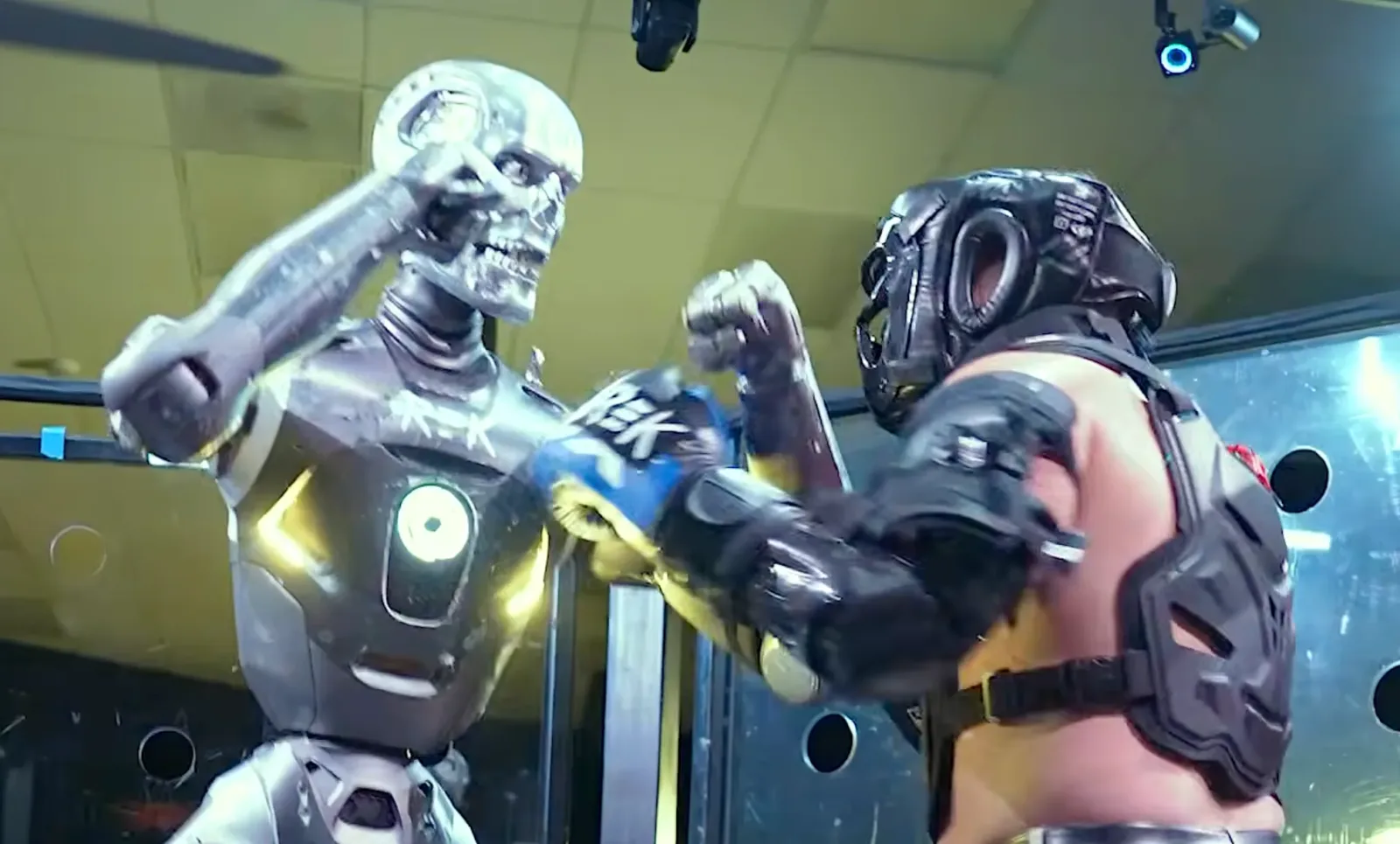
The California State Athletic Commission has officially drawn a line in the sand regarding the physical intersection of humans and machines. According to The New York Times, regulators sent a cease-and-desist letter to a startup that recently hosted a match between a human fighter and a humanoid robot. This action marks one of the first formal regulatory interventions into the emerging world of physical AI entertainment.
The event in question took place on September 18th and featured Frankie LaPenna facing off against a robot named Rek. The startup behind the event, also called Rek, described itself as a humanoid robot fighting league. The robot itself appeared to be based on hardware from EngineAI but was modified with a distinct Terminator-like head to enhance its menacing aesthetic for the audience.
What makes this matchup particularly complex is the method of control. The robot was not acting autonomously in the traditional sense. Instead, it was being piloted by a human operator using a remote virtual reality system. This setup blurs the legal lines between a sporting event, a performance art piece, and a potentially dangerous industrial operation.
The regulatory response suggests that authorities are not yet equipped to categorize these events under existing sports laws. Traditional athletic commissions are designed to regulate human-to-human combat with strict safety protocols. They have no clear framework for assessing the liability of a remote operator or the mechanical failure risks of a humanoid robot in a high-impact environment.
This crackdown reflects a broader industry anxiety about the pace of robotics development. As companies like EngineAI and others push the boundaries of what humanoid robots can do, the gap between technological capability and legal oversight is widening. Regulators are likely concerned about the precedent this sets for future events that could cause serious injury to both participants and spectators.
The incident also raises questions about the role of virtual reality in physical safety. While the operator is remote, the physical forces exerted by the robot are real. If the VR system lags or fails, the human pilot could lose situational awareness, leading to unpredictable and potentially violent outcomes. This is a critical safety consideration that current sports regulations do not address.
For AI developers and entrepreneurs, this serves as a stark reminder that innovation cannot outpace regulation indefinitely. The entertainment sector may be testing these waters, but other industries like healthcare and logistics will face even stricter scrutiny. Companies must proactively engage with policymakers to shape sensible guidelines rather than reacting to bans after the fact.
What this means for you: If you are building or deploying physical AI systems, prioritize safety protocols and legal compliance from day one. Engage with regulatory bodies early to understand the landscape. Try this prompt with your AI assistant to draft a risk assessment: "Act as a legal compliance officer. Outline the top five safety risks for a remote-controlled humanoid robot in a public demonstration and suggest three mitigation strategies for each risk."
Ready to apply this tech at your business?
Viking Net helps teams in San Antonio and worldwide stay ahead.