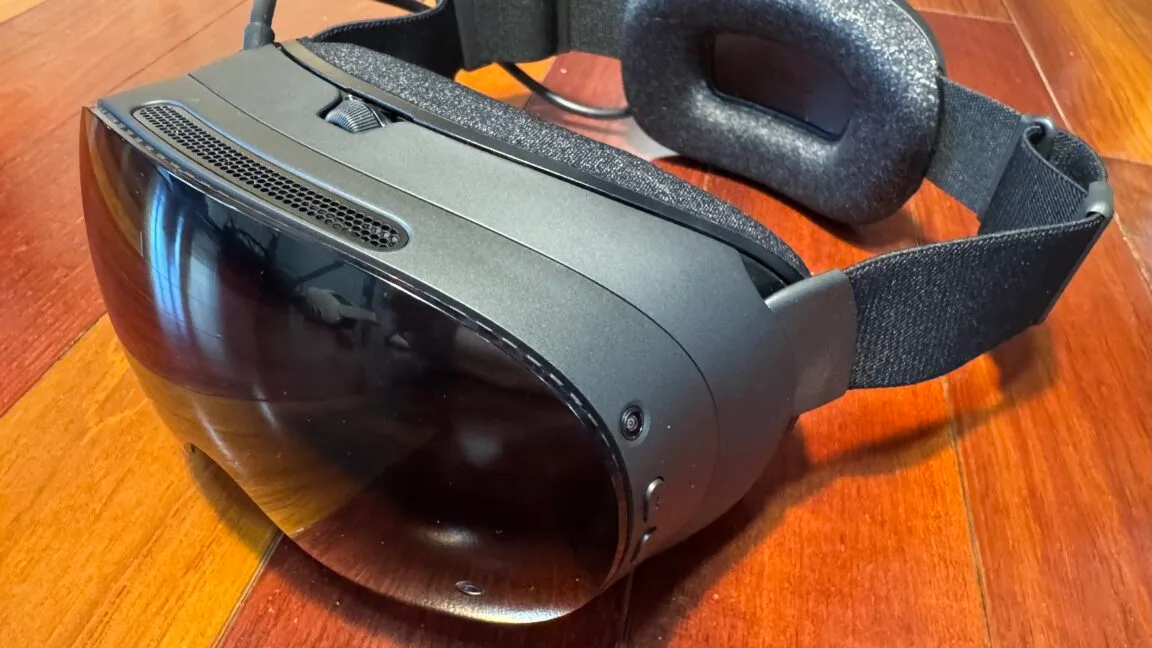
Valve is making a startling return to the standalone virtual reality market with the Steam Frame, a device that seems to contradict its recent behavior. According to Ars Technica, the company is preparing to release this $1,059 headset in 2026, despite having largely abandoned its earlier hardware ambitions for years. This move feels unexpected given how the industry shifted toward more accessible, untethered solutions like the Meta Quest line.
The landscape has changed dramatically since Valve was once at the forefront of the VR revolution. Back in the 2010s, they partnered with HTC on the Vive and later released their own Index headset. Those efforts were tied to high-end PCs, requiring expensive setups that limited mass adoption. The arrival of the Quest proved that most gamers preferred convenience over raw power, leaving Valve’s earlier strategies looking increasingly outdated.
For a significant period, Valve seemed content to let its VR hardware dreams fade away. They focused on software and platform standards rather than competing directly with the booming standalone market. This benign neglect allowed competitors to dominate the space and define user expectations. Now, however, Valve is re-entering a crowded field with a premium product that aims to bridge the gap between performance and portability.
Ars Technica’s review suggests the Steam Frame is a complex mix of strengths and weaknesses. The device feels simultaneously overengineered and underbaked, depending on which aspect you examine. This duality reflects the challenges of entering a mature market where users have already formed strong habits. Valve is trying to offer something new, but it must overcome the inertia of established competitors.
The pricing strategy is particularly notable for a company that once catered to enthusiasts willing to pay for top-tier specs. At over a thousand dollars, the Frame targets a niche audience that values performance above all else. This approach ignores the broader trend toward affordability and accessibility that drove the Quest’s success. It remains to be seen if there is enough demand for a premium standalone headset in 2026.
From an industry perspective, Valve’s return signals a belief that the current solutions are not good enough for everyone. There is still a segment of users who want PC-level performance without the tether. However, the review hints that the execution may not fully justify the cost or complexity. This could result in a product that satisfies hardcore fans but fails to gain mainstream traction.
What this means for you: If you are a developer or power user interested in high-fidelity VR experiences, keep an eye on the Steam Frame’s specifications. It might offer a new standard for standalone performance. Try using an AI assistant to analyze the technical specs once they are released. Ask it to compare the Frame’s hardware against current market leaders to determine if the upgrade is worth the investment for your specific workflow.
Ready to apply this tech at your business?
Viking Net helps teams in San Antonio and worldwide stay ahead.