OLED MacBook Pro to help boost premium display shipments, per report
By the AIdeaFlow Team
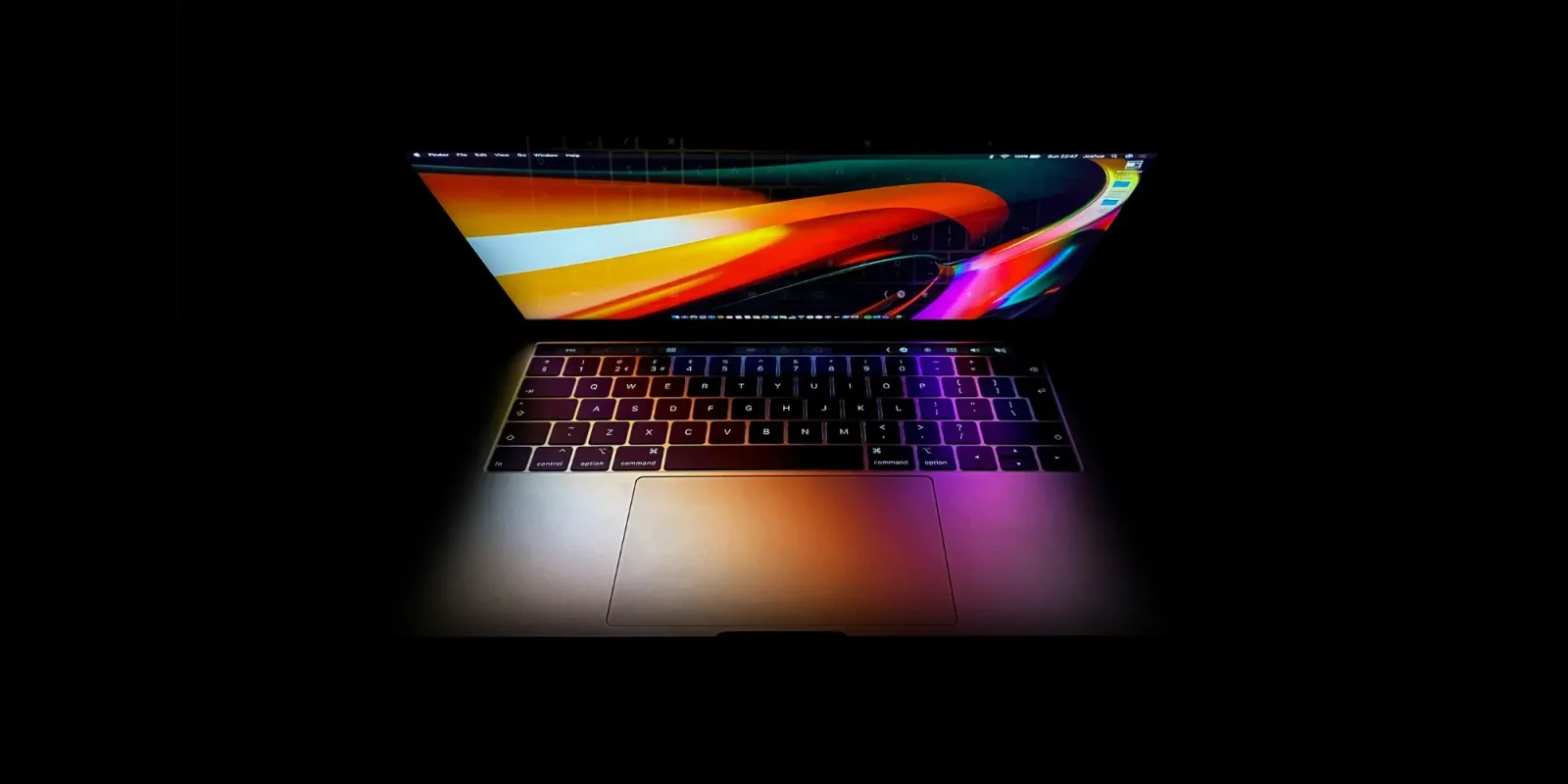
Apple is quietly preparing for one of the most significant hardware shifts in its recent history. According to a new report from Counterpoint Research, the company’s next-generation MacBook Pro will serve as the primary catalyst for a dramatic increase in OLED display adoption across the laptop sector. This is not just a minor upgrade cycle. It represents a fundamental change in how premium computing devices are manufactured and perceived by consumers.
The numbers in the report are particularly striking. Counterpoint predicts that OLED notebook display shipments will jump by fifty percent in 2026 alone. This surge is largely attributed to Apple’s decision to finally replace its traditional LCD panels with OLED technology in its flagship laptops. For years, Apple has stuck with high-quality LCDs while competitors moved toward OLED. That era appears to be ending.
This transition carries heavy implications for the entire supply chain. Companies like LG Display and Samsung Display, who have been investing heavily in OLED manufacturing capabilities for laptops, stand to benefit immensely. The demand from Apple alone is enough to drive economies of scale that make OLED viable for a much broader range of devices. We are likely to see this technology trickle down to more affordable models in the coming years.
From a user experience perspective, the difference will be noticeable. OLED panels offer perfect blacks, higher contrast ratios, and better energy efficiency compared to traditional LCDs. For creative professionals who rely on color accuracy, this is a game changer. The deeper blacks and more vibrant colors will make video editing and graphic design workflows significantly more precise and visually pleasing.
The broader tech industry is watching this move closely. If Apple can successfully integrate OLED into its laptops without facing the burn-in issues that plagued early smartphones, it will set a new standard for the entire PC market. Other manufacturers will be forced to accelerate their own OLED roadmaps to remain competitive. This could lead to a rapid innovation cycle across the laptop industry.
For AI enthusiasts and developers, this hardware shift matters more than it might seem at first glance. Better displays mean better visualization of complex data sets and more immersive environments for AI-driven creative tools. As AI models become more visual and interactive, the quality of the screen you interact with directly impacts your productivity and comfort during long sessions.
What this means for you is that the window to invest in high-quality hardware is opening. If you are planning to upgrade your workstation for AI development or creative work, waiting for the OLED MacBook Pro might be worth the wait. The improved display technology will enhance your daily workflow in ways that are immediately tangible. Consider using an AI assistant to compare current LCD models against upcoming OLED specs to see if the upgrade justifies the cost for your specific use case. You could prompt an AI tool with: 'Compare the energy efficiency and color accuracy of current MacBook Pro LCD models against industry standards for OLED displays to help me decide if waiting for the 2026 upgrade is financially viable for my freelance workflow.'
Ready to apply this tech at your business?
Viking Net helps teams in San Antonio and worldwide stay ahead.