Trump’s attempt to rename AI is looking awfully artificial
By the AIdeaFlow Team
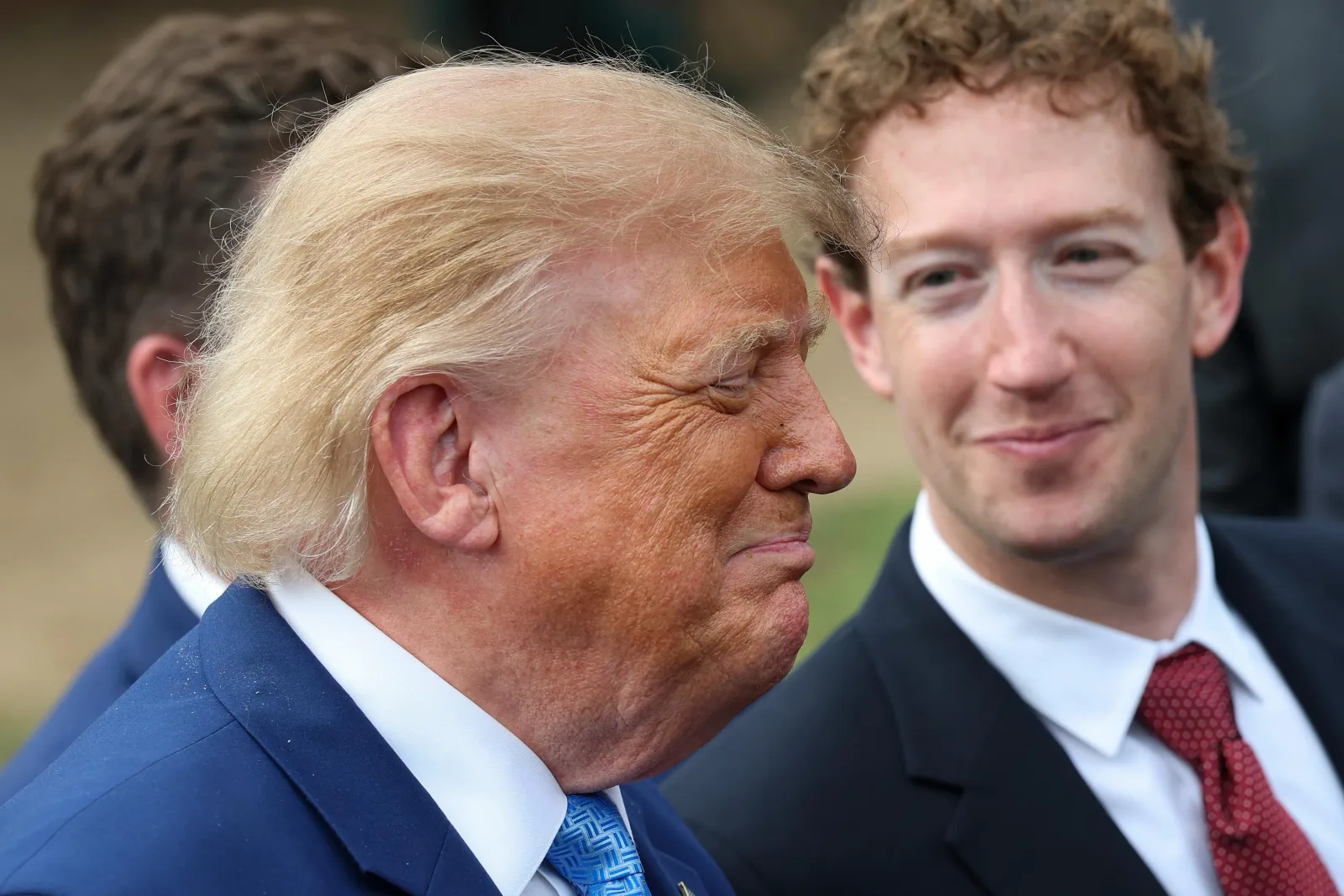
President Trump is attempting his signature branding move on artificial intelligence, pushing "super intelligence" while trying to make "artificial" sound like a bad word, according to The Verge. He's even called AI skeptics "THE ENEMY" in all caps, because subtlety has never been his style. Some major players in AI are nodding along with the rebrand.
This isn't just political theater. Language shapes how we think about technology, and how we regulate it. If "artificial" becomes a slur and "super" becomes the approved term, it could influence everything from policy debates to funding priorities. The framing matters when Congress is writing AI legislation and agencies are setting guardrails.
But here's the thing: rebranding an entire technological category is exponentially harder than nicknaming a political opponent. "Artificial intelligence" has decades of academic literature, millions of codebases, and global industry standards behind it. Every API, every research paper, every job title uses AI or artificial intelligence. That's not changing because of a few rallies.
The tech industry has seen this playbook before. Remember when Facebook became Meta to escape controversy? The rebrand worked for the company name but everyone still calls the platform Facebook. Or when cryptocurrencies tried to become "Web3" to sound more legitimate? The underlying tech didn't change, just the marketing wrapper.
What makes this situation interesting is the tension it creates for AI companies. Do they adopt Trump's terminology to stay in political favor, or stick with the globally recognized term that their entire infrastructure is built on? Some are clearly hedging their bets, but most will likely keep "AI" in their product names because that's what customers search for and investors understand.
The real risk isn't that AI gets renamed. It's that the polarization around terminology becomes another front in the culture war, making it harder to have nuanced conversations about actual AI policy, safety, and ethics. When the framing is "super good" versus "artificial bad," we lose the ability to discuss tradeoffs.
What this means for you: ignore the terminology wars and focus on capabilities. When evaluating AI tools for your work, ask what they actually do, not what they're called. Try this prompt with your AI assistant: "Explain the practical differences between [tool A] and [tool B] for [your specific task], focusing only on features and performance, not marketing language." You'll get clearer answers about what actually helps you work better.
Ready to apply this tech at your business?
Viking Net helps teams in San Antonio and worldwide stay ahead.