Nikon microscopic video competition winner disqualified for using generative AI
By the AIdeaFlow Team
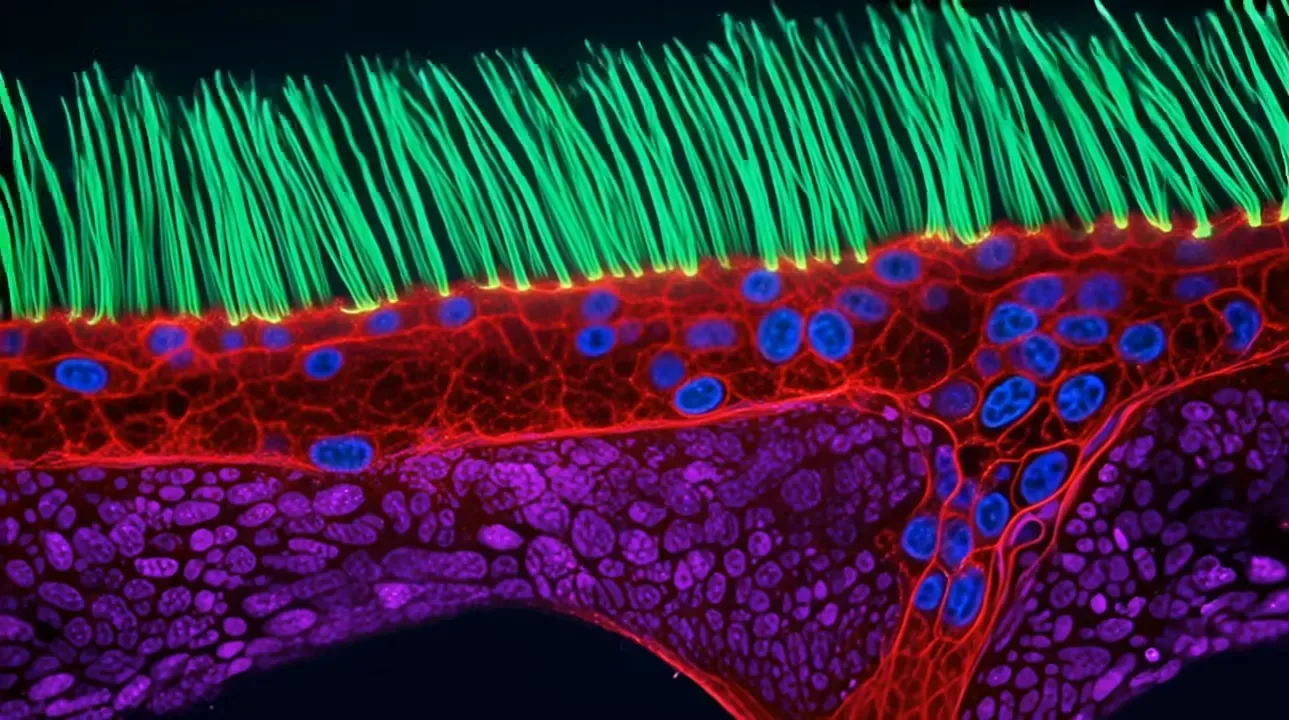
Nikon has officially stripped the first place award from its Small World in Motion microscopy competition. The decision comes after the winning video, created by Dr. Ning Xu, faced intense scrutiny regarding its authenticity. According to reporting by The Verge, the organization determined that the entry violated specific rules concerning the use of generative artificial intelligence.
The controversy began when online observers questioned the visual fidelity of the winning submission. The video was purported to show cilia, which are tiny hair-like structures, moving within the airway of a child with Primary Ciliary Dyskinesia. Skeptics noted that the motion appeared too smooth and uniform to be captured by standard microscopic equipment without significant enhancement.
Dr. Ning Xu eventually addressed the concerns directly on LinkedIn. He admitted that an unsupervised neural network method was used for AI-assisted post-processing. His goal was to distinguish and visualize specific biological structures that were difficult to isolate using traditional imaging techniques alone.
Nikon stated that while the science behind the research may be valid, the method of presentation crossed a line. The competition rules explicitly prohibit the use of generative AI to create or alter visual content in ways that misrepresent the raw data. This strict stance aims to preserve the integrity of scientific documentation and public trust.
This incident reflects a broader crisis in scientific communication. As AI tools become more accessible, the line between enhancement and fabrication blurs. Researchers now face the difficult task of proving that their visualizations are grounded in reality rather than algorithmic generation.
For professionals in data visualization and scientific imaging, this ruling serves as a critical warning. Transparency is no longer optional. You must document every step of your post-processing pipeline to ensure your work meets ethical standards. Hiding AI usage will likely lead to disqualification or reputational damage.
What this means for you is that you must be meticulous about your workflow documentation. If you use AI tools for image enhancement, you must clearly label the extent of that assistance. Consider adopting a standard protocol where you archive both the raw data and the AI-generated outputs for audit purposes.
To implement this, try using an AI assistant to generate a transparency report. You can paste your raw image metadata and a description of the AI steps taken into a prompt like this: Create a concise methodology statement for a scientific image that clearly distinguishes between raw optical data and AI-assisted post-processing steps. Ensure the tone is objective and compliant with strict editorial standards.
Ready to apply this tech at your business?
Viking Net helps teams in San Antonio and worldwide stay ahead.