A New Mexico Community Was a Place to Build a Life. Then a Hypersonic Missile Factory Showed Up
By the AIdeaFlow Team
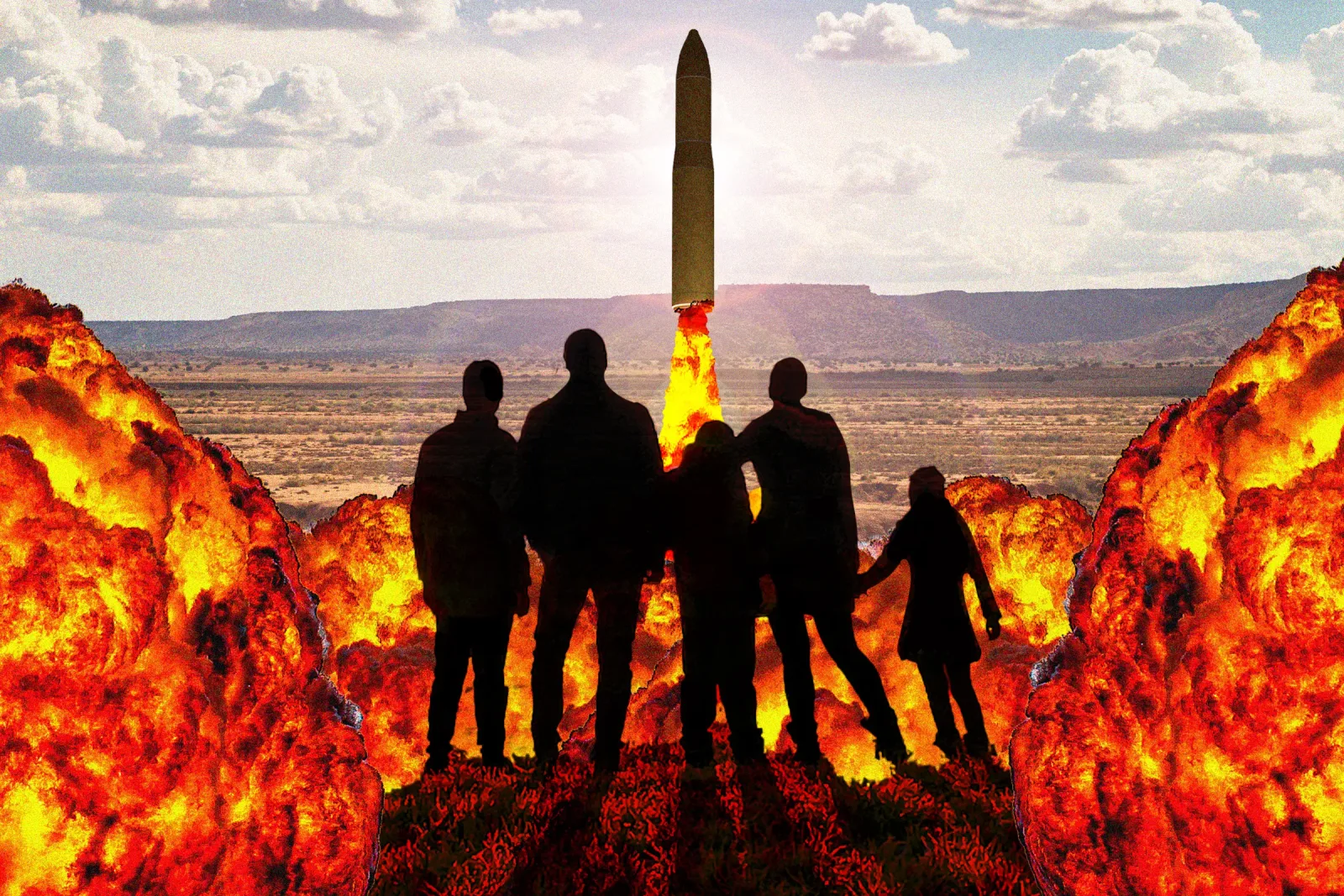
The rapid acceleration of hypersonic technology is no longer just a topic for defense analysts in Washington. It is now physically reshaping communities, often with little regard for the people living in the shadow of these new industrial giants. Castelion, a next-generation defense tech company, is currently constructing a facility in Rio Rancho Estates, New Mexico. According to local documents, this project could pose significant fire and chemical hazards to the surrounding neighborhood.
This situation illustrates a broader trend where the push for AI-enhanced military capabilities outpaces community planning and safety regulations. The integration of artificial intelligence into defense manufacturing is supposed to make processes faster and more precise. However, the physical infrastructure required to support these advanced systems often introduces new, unmitigated risks to local populations.
Residents of Rio Rancho Estates are finding themselves caught in the crossfire of geopolitical competition. The facility is intended to produce components for hypersonic missiles, which travel at speeds exceeding Mach five. While the strategic value of such technology is undeniable, the immediate environmental and safety implications for nearby homes are severe and largely unaddressed by the developers.
Local reports indicate that the proposed site lacks adequate safeguards against potential chemical leaks or catastrophic fires. These are not minor operational hiccups but events that could endanger lives and property. The disconnect between the high-tech nature of the product and the low-tech reality of community safety standards is stark and troubling.
This case serves as a critical warning for other regions considering similar defense contracts. The narrative of economic growth through defense manufacturing often glosses over the long-term liabilities. Companies like Castelion may benefit from government subsidies and contracts, but the local community bears the brunt of the environmental risk.
The rise of AI in defense is not just about code and algorithms. It is about physical factories, chemical storage, and the people who live next door. As we integrate more autonomous systems into warfare, we must also integrate robust ethical and safety frameworks into the manufacturing process. Ignoring these human costs will lead to greater social friction and regulatory backlash.
What this means for you: As an AI professional, you must consider the ethical and physical implications of the technologies you help build. Advocate for transparency in supply chains and demand rigorous safety audits for defense-related AI projects. Try using an AI assistant to draft a community impact assessment template that includes environmental risk factors, ensuring that technical innovation does not come at the expense of public safety.
Ready to apply this tech at your business?
Viking Net helps teams in San Antonio and worldwide stay ahead.