Justice Dept. Is Investigating TV Networks Over Trump Pool Coverage
By the AIdeaFlow Team
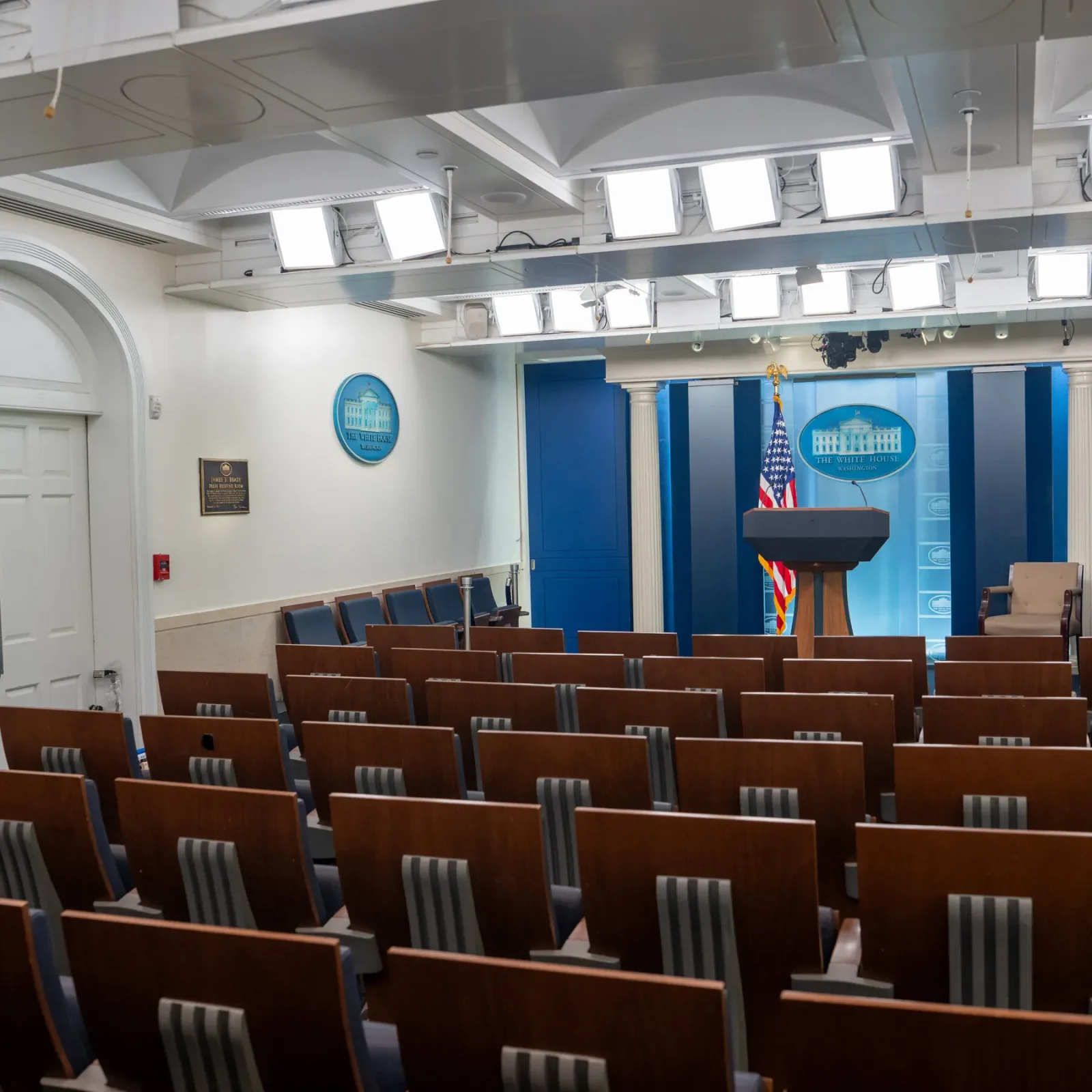
The Justice Department has officially opened an investigation into major television networks, focusing on whether their decision to suspend pool coverage of President Trump violated antitrust laws. This development was confirmed on Friday, marking a direct challenge to the long-standing industry practice of sharing news footage among competitors to ensure broad coverage. According to reports, the department is examining the coordination between these networks, which traditionally operate as a unified pool to distribute live feeds and footage efficiently.
This investigation touches on a delicate balance in journalism. Pool coverage allows networks to share the burden of covering major events, reducing costs and ensuring that all outlets have access to critical visual information. However, critics argue that such coordination can sometimes resemble collusion, potentially limiting competition and controlling the narrative flow. The Justice Department's interest suggests a renewed focus on how media entities collaborate, even when such practices are standard for operational efficiency.
For AI and tech professionals, this story highlights the intersection of media regulation and technological infrastructure. Modern newsrooms rely heavily on automated systems for content distribution and real-time data processing. Any regulatory shift that impacts how media companies share data or coordinate coverage could have ripple effects on the software and platforms that support these operations. It raises questions about how AI-driven tools might be affected by stricter antitrust interpretations in the media sector.
The broader implications extend beyond just television. As media consumption shifts toward digital platforms and AI-curated feeds, the traditional models of content sharing are evolving. The investigation could set a precedent for how digital media companies handle data sharing and collaboration. If the Justice Department finds violations, it might force networks to rethink their technical and operational partnerships, potentially leading to more fragmented content ecosystems.
This situation also underscores the political sensitivity surrounding media coverage of high-profile figures like President Trump. The suspension of pool coverage was likely a strategic decision by the networks, but it has now drawn federal scrutiny. This highlights the risks media companies face when they deviate from established norms, especially in politically charged environments. The outcome of this investigation could influence future decisions on how networks handle controversial or high-stakes events.
For those working in AI and tech, the key takeaway is to stay informed about regulatory changes in the media industry. These changes can impact the tools and platforms you use for content creation and distribution. It is also a reminder that collaboration, even when necessary for efficiency, must be carefully managed to avoid legal pitfalls. Monitoring how this investigation unfolds will provide valuable insights into the future of media regulation and its impact on technology.
What this means for you: If you use AI tools for news aggregation or content distribution, be aware that regulatory changes could affect data sharing practices. Consider implementing more robust compliance checks in your workflows to ensure that any automated sharing of content adheres to evolving antitrust guidelines. You might try using an AI assistant to review your content distribution policies for potential antitrust risks by asking it to analyze your data sharing agreements for any clauses that might be interpreted as collusive behavior.
Ready to apply this tech at your business?
Viking Net helps teams in San Antonio and worldwide stay ahead.