Report: HomePod mini 2 to release on October 30 with these upgrades
By the AIdeaFlow Team
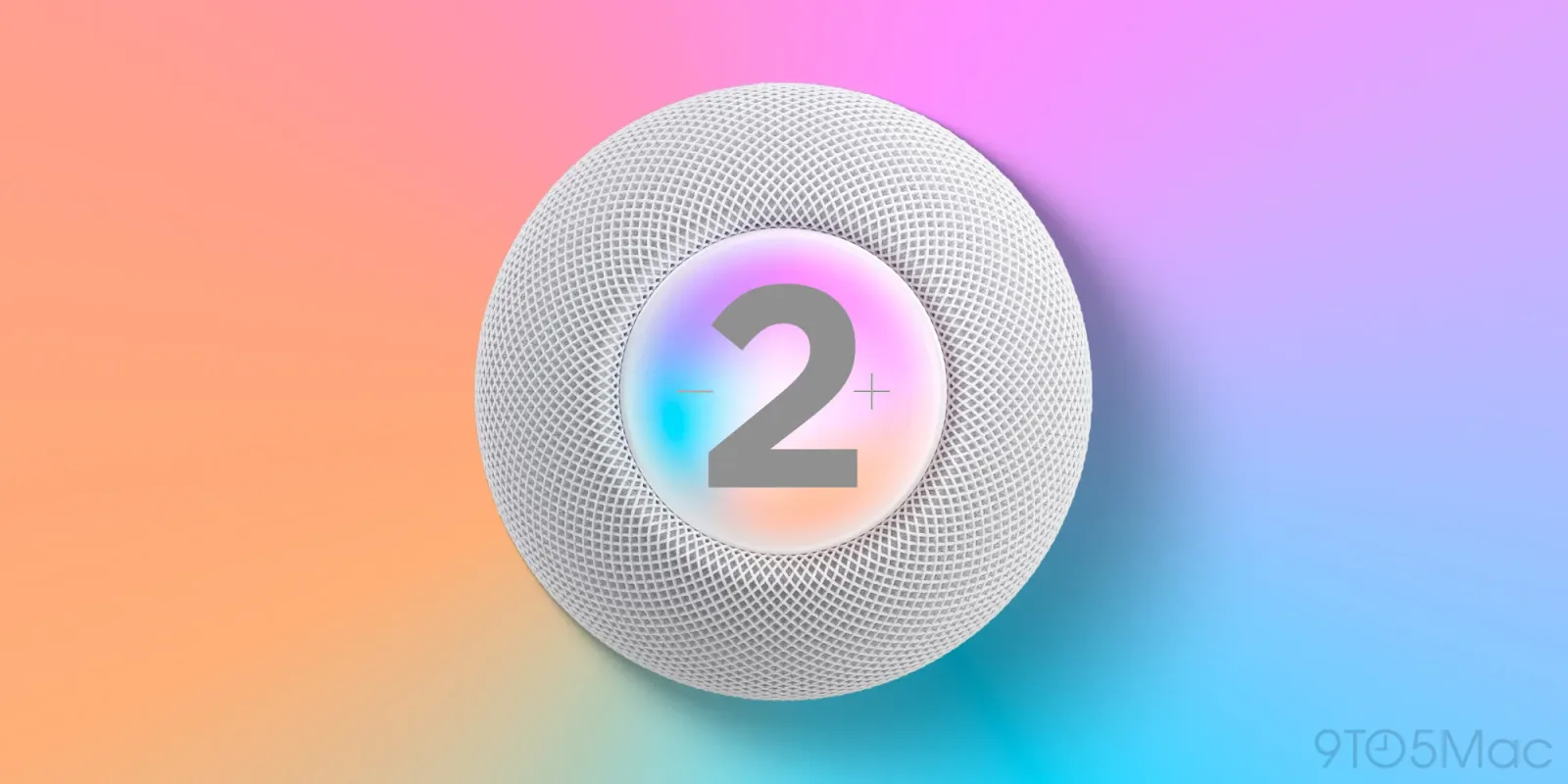
Apple is finally pulling back the curtain on its next generation of smart home hardware. According to recent reports, the highly anticipated HomePod mini 2 is scheduled for release on October 30. This launch is not happening in isolation but serves as the centerpiece of a broader ecosystem overhaul that includes a new Apple TV 4K and a novel smart home hub called HomeView.
The timing of this announcement suggests Apple is serious about reclaiming leadership in the smart home space. For years, critics have pointed out that Apple's smart home strategy felt fragmented compared to competitors like Amazon or Google. This new lineup appears designed to close that gap by offering a more unified and intelligent experience for users who want their devices to work together seamlessly.
The inclusion of a dedicated smart home hub named HomeView is particularly interesting. It indicates that Apple recognizes the need for a central command center that can handle complex automation tasks. This move aligns with the broader industry trend toward localized processing and improved connectivity standards like Thread. It suggests that future smart homes will rely less on cloud dependency and more on local intelligence for speed and privacy.
Collaboration with LG on a new lineup of smart home accessories further strengthens this ecosystem. By partnering with established hardware manufacturers, Apple can offer a wider variety of certified devices that integrate natively with its software. This strategy reduces the friction for consumers who are hesitant to adopt smart home technology due to compatibility concerns. It essentially lowers the barrier to entry for the average user.
The HomePod mini 2 itself is expected to bring significant upgrades beyond just better sound quality. Given Apple's heavy investment in on-device machine learning, we can expect deeper integration with Siri and more advanced contextual awareness. This means the speaker will likely understand commands better and react to environmental changes more intelligently. It transforms the device from a simple voice assistant into a proactive home manager.
This release also highlights the growing importance of privacy in smart home design. By keeping more processing on-device and within the Apple ecosystem, users can maintain greater control over their data. This is a key selling point for privacy-conscious consumers who are wary of sending all their home data to third-party cloud servers. It positions Apple as a safer alternative for those who value security alongside convenience.
What this means for you As AI tools become more integrated into everyday hardware, staying updated with ecosystem changes is crucial for professionals who rely on smart assistants for productivity. You should test how these new devices handle complex multi-step commands to see if they can streamline your morning routine. Try using an AI assistant to draft a weekly schedule that triggers specific smart home actions based on your calendar events. For example, you could create a prompt that says 'Generate a morning routine that adjusts the thermostat and plays news briefings starting at 7 AM on weekdays.' This helps you leverage the new hardware capabilities for automated personal assistance.
Ready to apply this tech at your business?
Viking Net helps teams in San Antonio and worldwide stay ahead.