Why you shouldn't leave an extension cord plugged in all the time
By the AIdeaFlow Team
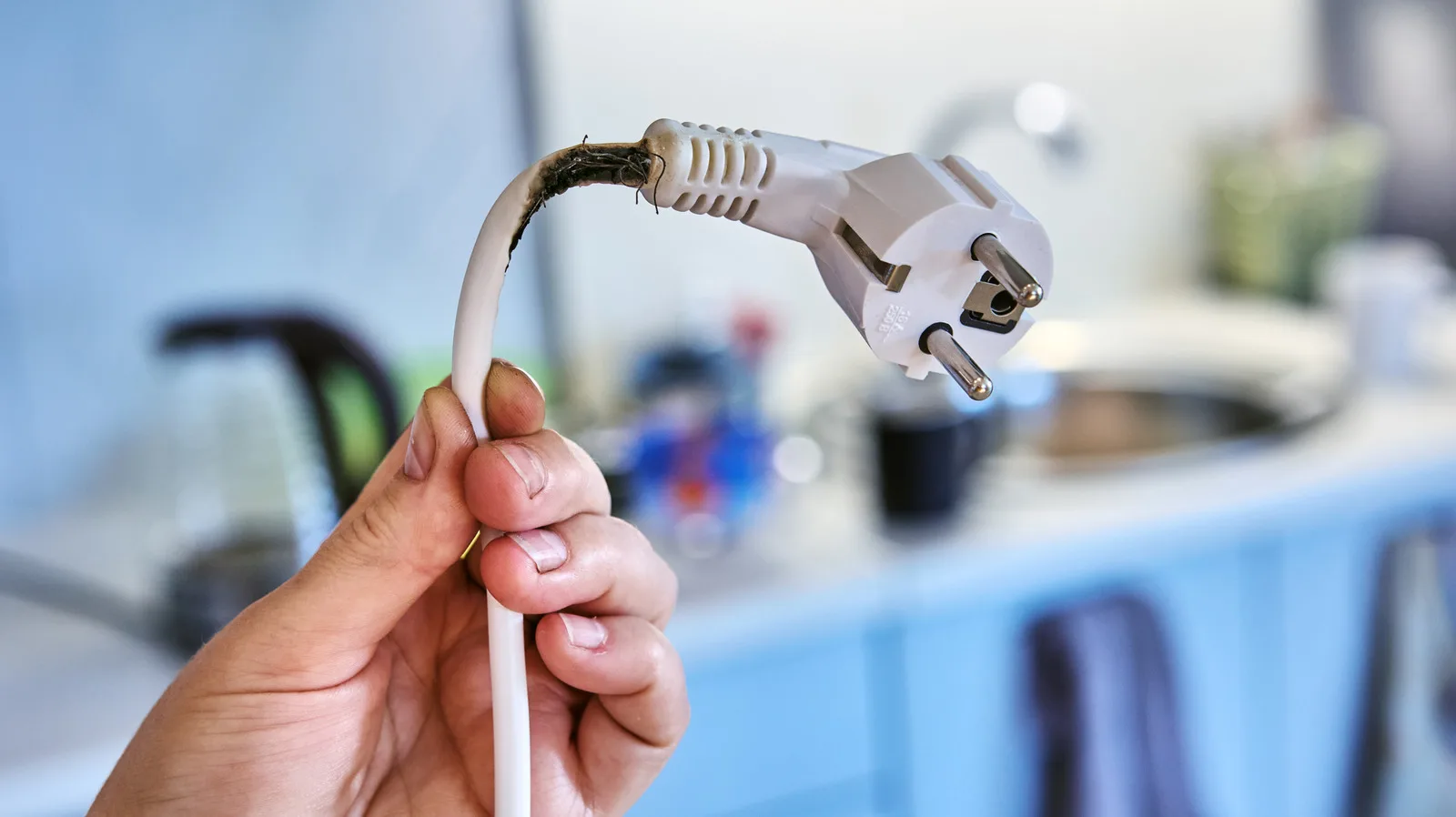
We often treat extension cords as permanent solutions for our home office setups. We plug them in and forget about them for years. This habit might seem harmless, but it is actually a significant safety hazard that most people ignore. According to recent reporting by TechCrunch, these cords are not designed for long-term, permanent installation. They are meant to be temporary bridges for power needs that change over time.
The core issue lies in the design specifications of standard extension cords. They lack the robust insulation and heat dissipation features of permanent wall wiring. When you leave them plugged in all the time, they can overheat. This is especially true if you are running high-wattage devices like monitors or servers. The friction of constant use and ambient heat can degrade the plastic casing. This degradation eventually leads to exposed wires and potential short circuits.
Energy waste is another silent consequence of this lazy habit. Even when devices are turned off, many still draw phantom power. An extension cord keeps this circuit live and active. You are essentially paying for electricity that does nothing but heat up the air in your room. This is a small cost for one cord, but it adds up quickly in a data center or a busy tech hub. It is a direct contradiction to the efficiency goals we strive for in AI and software development.
Fire safety experts emphasize that extension cords should never be under rugs or behind furniture. They need airflow to stay cool. Leaving them plugged in permanently often leads to them being tucked away in corners. This traps heat and increases the risk of ignition. The National Fire Protection Association has long warned against this practice. It is not just about convenience. It is about preventing catastrophic electrical fires in our homes and offices.
This hardware reality offers a strange parallel to our AI infrastructure. We often deploy temporary scripts or models into production without proper monitoring. We treat them like permanent fixtures. This leads to technical debt and security vulnerabilities. Just like an overheating extension cord, poorly managed AI systems can cause significant damage over time. We need to treat our digital tools with the same respect we give our physical safety.
The solution is simple but requires discipline. Use permanent wiring for fixed setups. Reserve extension cords for temporary needs. If you must use one, ensure it is rated for the load and kept visible. This is basic home maintenance. It is also a metaphor for good system architecture. Do not patch your systems with temporary fixes that become permanent. Refactor regularly to maintain safety and efficiency.
What this means for you is that you should audit your physical and digital workspace. Replace any permanent extension cord setups with proper wiring. In your AI workflow, review your deployed models. Are they temporary experiments that have become permanent? If so, optimize them or remove them. Try this prompt with your AI assistant to audit your current projects: List all active AI workflows and flag any that are running on temporary infrastructure or lack proper monitoring. This helps you identify technical debt before it causes a failure.
Ready to apply this tech at your business?
Viking Net helps teams in San Antonio and worldwide stay ahead.