They War-Gamed Dimming the Sun. It Went Even Worse Than You Think
By the AIdeaFlow Team
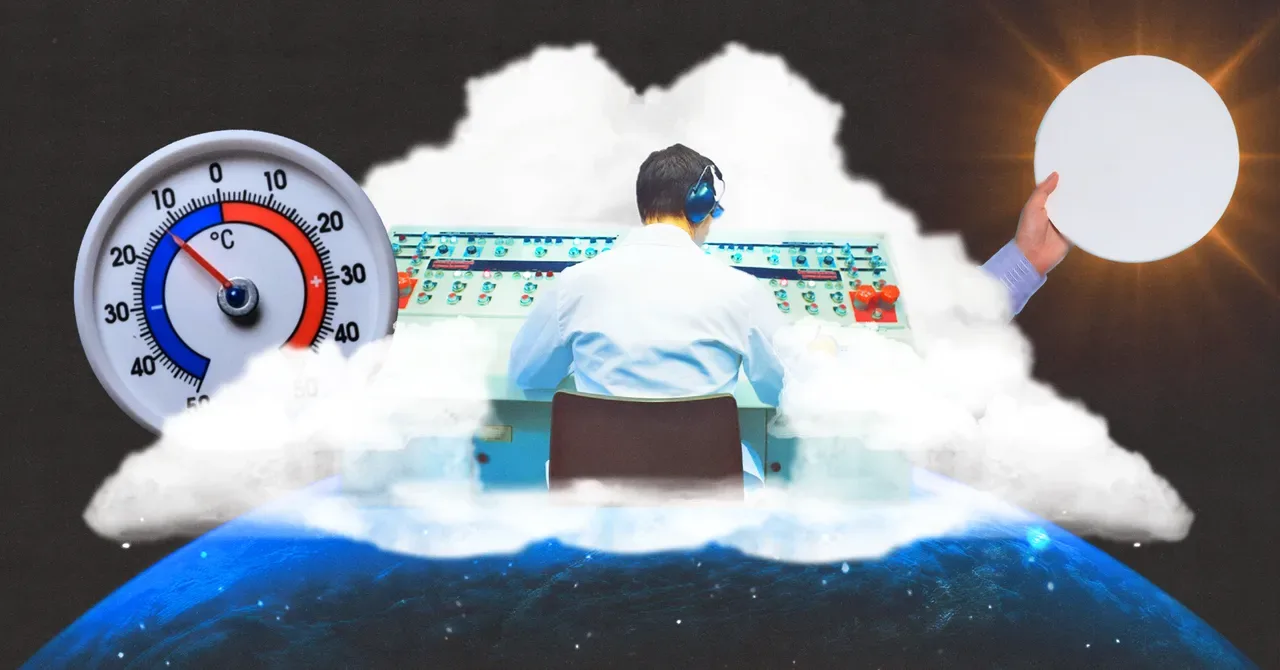
The idea of dimming the sun to cool the planet sounds like a sci-fi plot, but a new simulation suggests it might be our next geopolitical nightmare. According to reporting on this first-of-its-kind war game, the attempt to deploy solar geoengineering could spiral into a dangerous arms race. The results were even worse than many experts initially feared, exposing deep fractures in how nations might react to unilateral climate intervention.
The core tension lies in the fact that solar radiation management does not affect everyone equally. While one region might benefit from cooler temperatures, another could suffer from disrupted monsoons or droughts. The simulation showed that these uneven impacts would likely be interpreted as acts of war. Nations would not sit idly by while their agriculture or water supply is manipulated by a foreign power.
This scenario moves the debate from scientific feasibility to political reality. We often discuss the technology as if it exists in a vacuum. However, the war game demonstrates that the moment one country decides to deploy such technology, it becomes a weapon. The trust required for global cooperation evaporates instantly when survival is on the line.
The implications for AI and tech leaders are profound. We are building tools that can model these complex systems, but we are not building the diplomatic frameworks to manage them. The simulation serves as a stark warning that technological solutions to climate change are not just engineering problems. They are deeply political challenges that require international consensus.
If we proceed without a global treaty, we risk creating a new kind of conflict. Nations might develop countermeasures or launch cyberattacks against the infrastructure controlling these systems. The escalation ladder is steep and the consequences are catastrophic. This is not a hypothetical risk but a probable outcome based on current geopolitical tensions.
The takeaway for professionals in the tech sector is clear. We must advocate for governance structures before the technology becomes operational. It is not enough to build the tools. We must also define the rules of engagement. Silence in the face of this potential crisis is complicity in the coming conflict.
What this means for you: As AI models become more capable of simulating climate scenarios, use them to stress-test policy decisions. Try this prompt with your AI assistant to explore governance gaps: "Analyze the potential geopolitical backlash if Country A unilaterally deploys stratospheric aerosol injection. List three likely retaliatory actions by neighboring countries and suggest diplomatic frameworks to prevent escalation."
The window for establishing these norms is closing. The technology is advancing faster than our political will to regulate it. We need to act now to ensure that the solution does not become the problem. The simulation was a wake-up call. Ignoring it would be a fatal error.
Ready to apply this tech at your business?
Viking Net helps teams in San Antonio and worldwide stay ahead.