Feds Got Warrants to Use Fake Cell Towers to Hunt Down Don Lemon’s Producer
By the AIdeaFlow Team
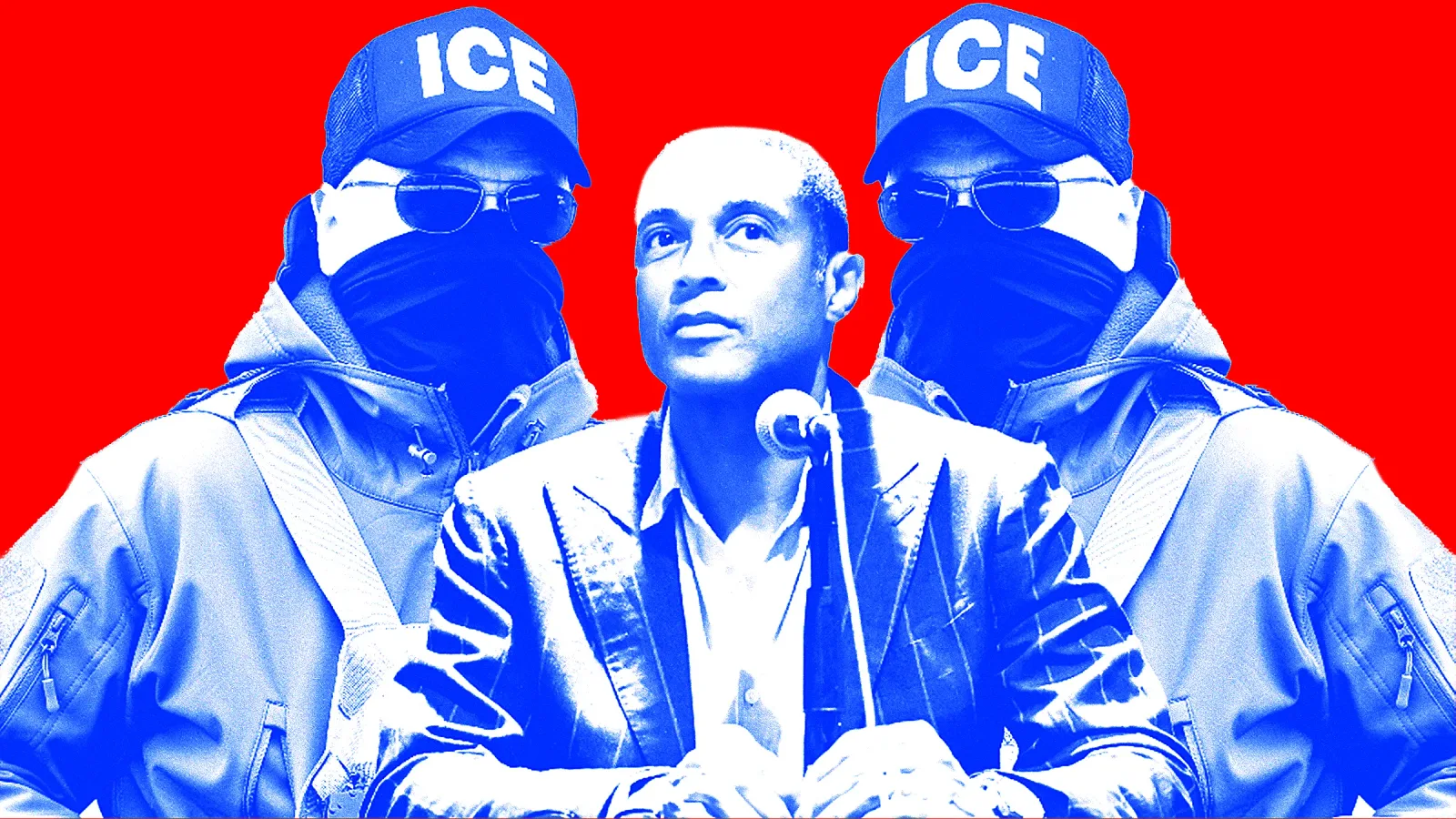
Federal investigators are pushing for legal authority to use invasive surveillance technology against high-profile individuals, including CNN journalist Don Lemon’s producer and a Minnesota state Senate candidate. According to recent reporting, the Department of Justice is seeking warrants to deploy cell-site simulators, commonly known as stingrays, to track the movements of Georgia Fort and others involved in the case. This move highlights a growing tension between law enforcement capabilities and individual privacy rights in an increasingly digital world.
Cell-site simulators work by mimicking legitimate cell towers, tricking nearby mobile devices into connecting to them. This allows authorities to collect precise location data and intercept communications without the user’s knowledge. While these tools have been used for decades in criminal investigations, their application against journalists and political candidates marks a significant shift in how surveillance is perceived and regulated. The potential for abuse in such powerful technology cannot be overstated, especially when targeting those who hold power to account.
The involvement of Georgia Fort, a journalist, adds a layer of complexity to this issue. Journalists often rely on secure communication methods to protect their sources and maintain editorial independence. The use of cell-site simulators against a reporter could chill press freedom and deter whistleblowers from coming forward. It also raises questions about the balance between national security interests and the fundamental right to a free press, a cornerstone of democratic societies.
Moreover, the targeting of a Minnesota state Senate candidate suggests that this surveillance technology may be used for political purposes. This is a concerning precedent that could undermine the integrity of electoral processes. If candidates can be tracked and monitored using such invasive methods, it creates an uneven playing field and potentially deters individuals from running for office. The implications for political discourse and democratic participation are profound and warrant careful scrutiny.
From an AI and technology perspective, the rise of such surveillance tools is part of a broader trend toward increased data collection and monitoring. As AI systems become more sophisticated, the ability to analyze and interpret large volumes of data grows exponentially. This raises ethical questions about consent, transparency, and the potential for bias in automated decision-making processes. The use of cell-site simulators is just one example of how technology can be wielded to exert control over individuals.
What this means for you is that your digital footprint is more vulnerable than you might think. To protect your privacy, consider using encrypted messaging apps that do not rely on traditional cellular networks. Additionally, be mindful of the data you share online and the permissions you grant to various applications. Here is a prompt you can use with an AI assistant to review your current digital security settings: "Analyze my current app permissions and suggest three changes to enhance my privacy and reduce data exposure."
The debate over cell-site simulators is not just about technology but about the values we wish to uphold in a democratic society. It is crucial for policymakers, technologists, and citizens to engage in this conversation to ensure that surveillance tools are used responsibly and ethically. The stakes are high, and the decisions made today will shape the landscape of privacy and freedom for years to come.
Ready to apply this tech at your business?
Viking Net helps teams in San Antonio and worldwide stay ahead.