The iPhone Duo’s cooling system hides a clever trick inside its hinge
By the AIdeaFlow Team
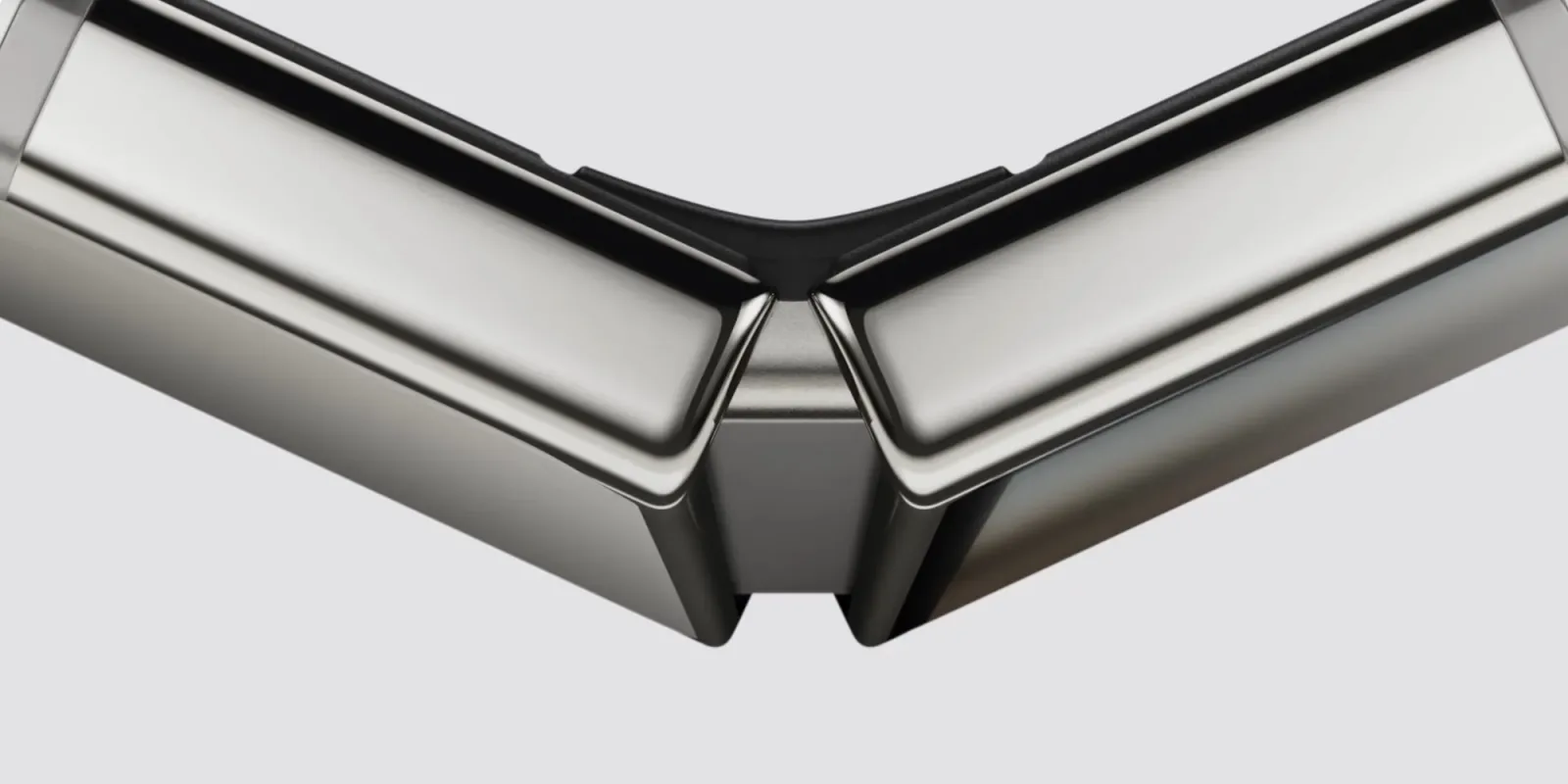
Apple is reportedly tackling the thermal challenges of a folding iPhone by reimagining the device's hinge as a critical component of its cooling system. According to recent reports, the engineering team has moved away from traditional passive cooling methods that struggle in such a compact and dynamic space. Instead, they are using the hinge mechanism itself to help dissipate heat generated by the processor and battery.
This is a significant departure from how smartphones have historically managed thermals. Most current devices rely on graphite sheets or vapor chambers that are static and limited by the phone's flat geometry. A folding device introduces gaps, moving parts, and varying surface areas that make standard cooling solutions less effective. Apple’s solution suggests they have found a way to integrate heat pipes or thermal conduits directly into the hinge assembly.
The hinge is not just a mechanical pivot but also a thermal bridge. By channeling heat away from the main logic board and into the hinge, Apple can spread the thermal load across a larger surface area. This helps prevent hotspots that could degrade battery life or cause uncomfortable heat on the user's hands. It is a clever use of space that turns a structural necessity into a functional advantage.
This approach highlights Apple’s focus on user experience over raw specs. While competitors might prioritize peak performance numbers, Apple seems intent on maintaining consistent performance without thermal throttling. This is particularly important for a foldable device that may be subjected to different usage patterns, such as being used in a tent mode or folded flat.
The implications for the broader tech industry are substantial. As more manufacturers explore foldable and rollable form factors, thermal management will become a key differentiator. Apple’s method could set a new standard for how future devices handle heat in non-traditional shapes. It suggests that thermal engineering will become as important as display quality or camera performance in the next generation of hardware.
For developers and AI enthusiasts, this hardware advancement means more sustained performance for resource-intensive tasks. Applications that rely on heavy local processing, such as real-time AI inference or complex video editing, will benefit from stable thermal conditions. This allows for longer sessions without the device slowing down due to overheating.
What this means for you: If you are planning to use AI tools on a foldable device, look for models that prioritize thermal design. Better heat dissipation means your AI assistant can run longer and more complex tasks without lag. Try this workflow: Use an AI coding assistant to generate a script that monitors your device’s temperature and adjusts app performance dynamically, ensuring you get the most out of your hardware's thermal capabilities.
Ready to apply this tech at your business?
Viking Net helps teams in San Antonio and worldwide stay ahead.