Apple ‘Welcome home’ event: Three new products are coming tomorrow
By the AIdeaFlow Team
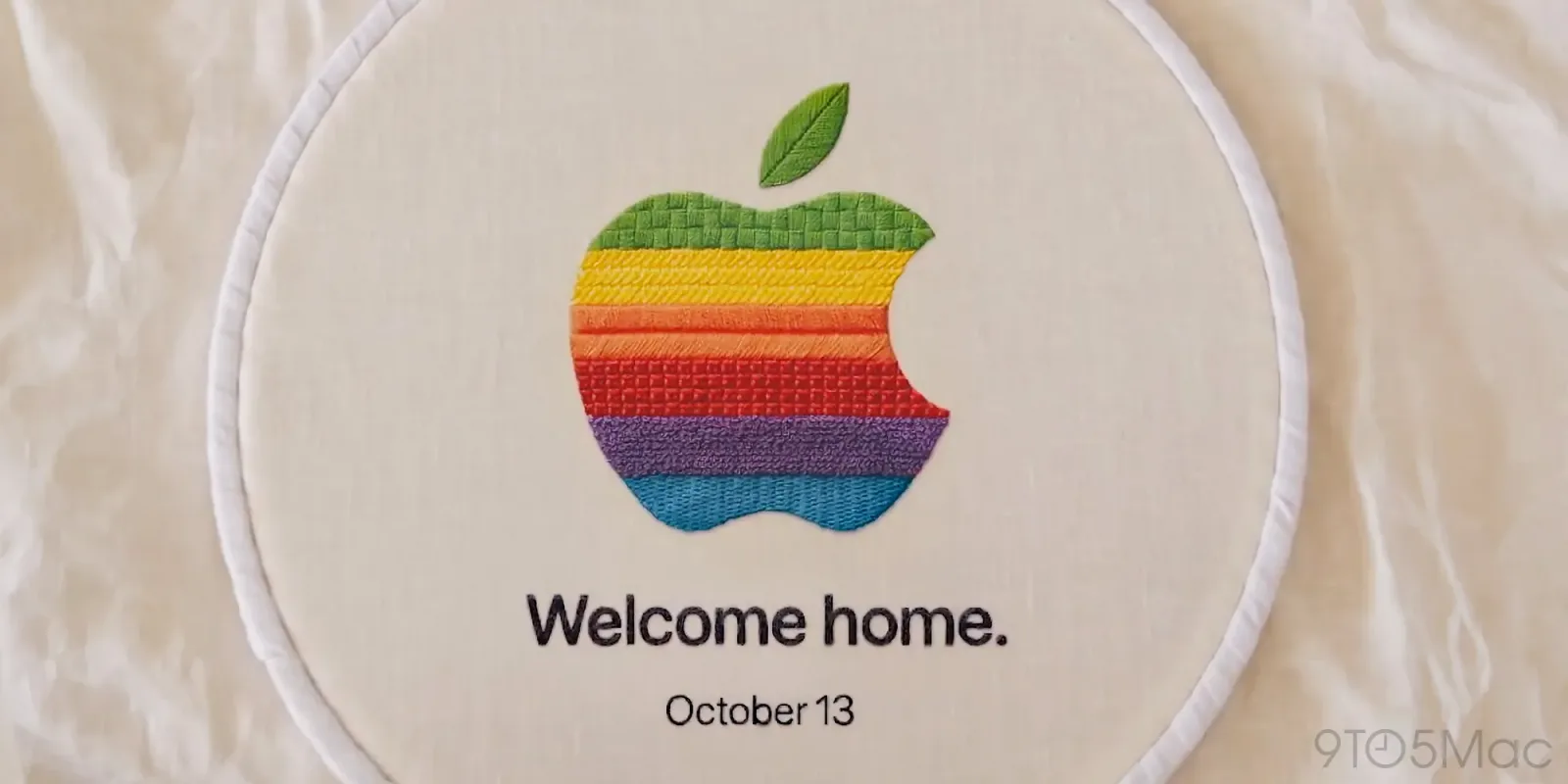
Apple has officially confirmed that its next major product launch will take place tomorrow on October 13. The company is using the tagline Welcome home to signal a clear pivot toward the smart home ecosystem. This is not just a routine hardware refresh but a strategic expansion into a market that has long felt fragmented and frustrating for consumers.
According to reports, the event will focus on three new products designed to integrate seamlessly with existing Apple devices. While specific details remain under wraps, the emphasis on home automation suggests we are looking at devices that go beyond simple remote controls. We are likely seeing a push toward proactive AI that anticipates user needs rather than just responding to commands.
The smart home market has struggled with interoperability issues for years. Users are tired of juggling multiple apps and dealing with devices that do not talk to each other. Apple’s entry into this space with a unified approach could finally solve the fragmentation problem. This aligns with the broader industry trend where hardware is becoming less important than the software intelligence that drives it.
From an AI perspective, this event is significant because it highlights the shift from reactive to proactive computing. Traditional smart home devices require explicit instructions. Newer AI-driven systems can learn patterns and adjust environments automatically. Apple is likely leveraging its on-device processing capabilities to handle this data locally, which addresses growing privacy concerns.
Privacy has always been a core pillar of Apple’s brand identity. In the smart home sector, where cameras and microphones are constantly active, trust is everything. By keeping processing on the device rather than in the cloud, Apple can offer advanced automation without sacrificing user privacy. This is a key differentiator that could sway enterprise and privacy-conscious consumers away from competitors.
The implications for developers and entrepreneurs are substantial. If Apple opens up new APIs for these home devices, it could spark a new wave of innovation. We might see a surge in AI agents that manage household tasks efficiently. This creates opportunities for software-first companies to build value on top of Apple’s hardware foundation.
What this means for you is that the definition of a smart home is changing. It is no longer about connecting lights and thermostats. It is about creating an intelligent environment that adapts to your life. To prepare for this shift, you should start organizing your digital workflows to integrate with home automation systems. Try using an AI assistant to draft a prompt that outlines your ideal morning routine. Ask the AI to suggest specific smart home actions and automation rules that could streamline that process for you.
Ready to apply this tech at your business?
Viking Net helps teams in San Antonio and worldwide stay ahead.