Actress Mia Goth says it’s ‘incomprehensible’ that Instagram allowed an AI image of her to spread
By the AIdeaFlow Team
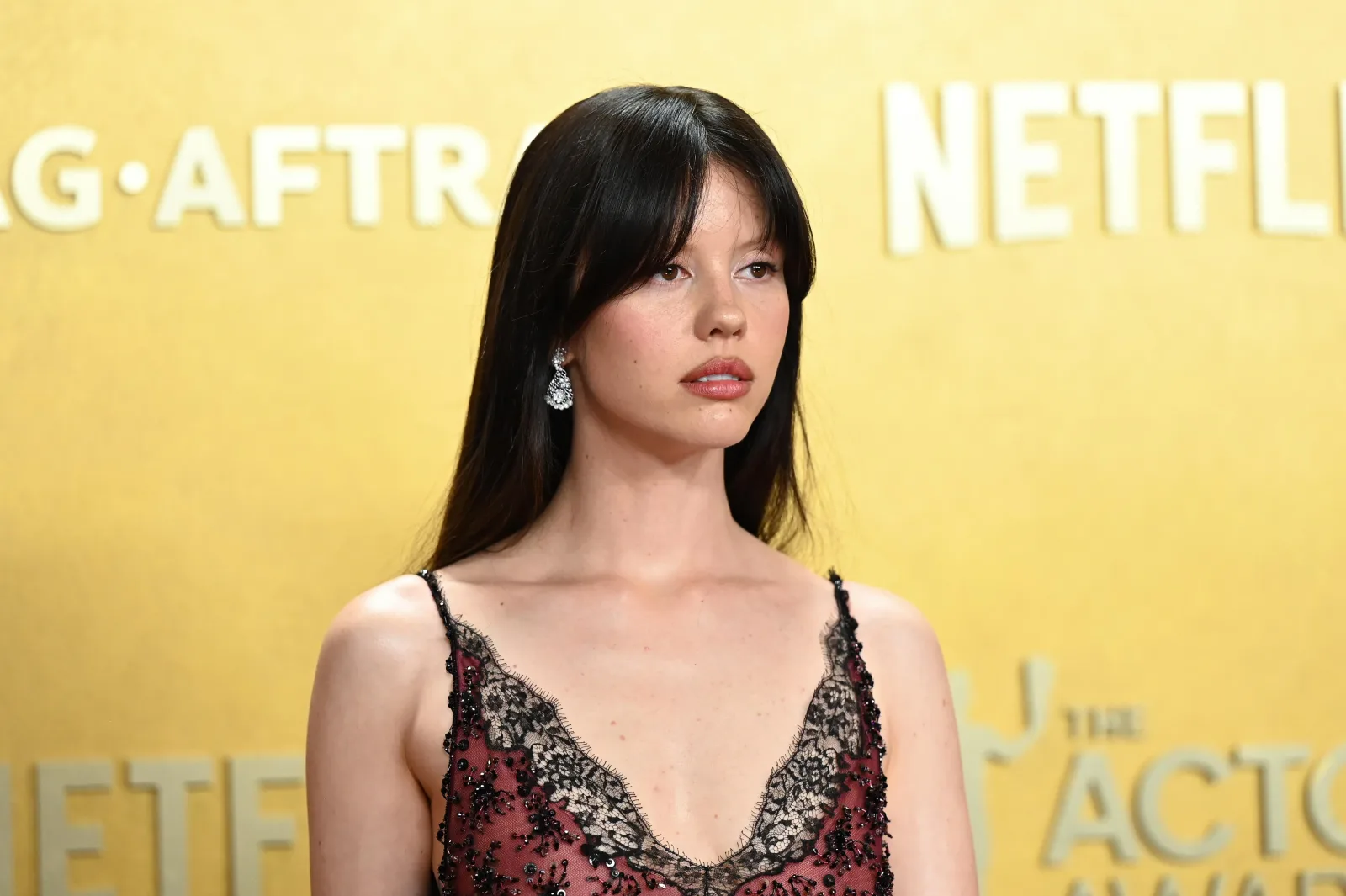
The digital landscape is becoming increasingly treacherous for public figures, and actress Mia Goth recently highlighted just how fragile our perception of online reality has become. According to reporting by The Verge, Goth expressed that it is incomprehensible that Instagram permitted a sophisticated AI image of her to spread unchecked. This image falsely depicted her announcing a divorce from Shia LaBeouf, complete with a caption celebrating her single status.
The incident began when an account marked with a blue verified checkmark posted the fabricated image. The post featured Goth wearing a T-shirt that read MY EX IS MY BIGGEST FAN, accompanied by Beyonce’s Single Ladies song. The visual was convincing enough to trick hundreds of thousands of users, including notable figures in the entertainment industry, into liking and sharing the content.
What makes this case particularly alarming is the speed at which mainstream media amplified the falsehood. Outlets like OK! and People reported on the post as if it were authentic, demonstrating how easily AI-generated content can bypass editorial scrutiny. The rapid dissemination of screenshots across other platforms turned a single fake post into a widespread narrative before anyone could verify its origins.
This event serves as a stark reminder of the limitations currently facing content moderation algorithms. Despite the presence of verification badges, which users often interpret as a guarantee of authenticity, the platform failed to flag the synthetic nature of the image. This gap between user trust in verification markers and the actual reality of the content is a critical vulnerability in social media infrastructure.
The broader implication here is the erosion of trust in digital evidence. As AI tools become more accessible and realistic, the burden of proof shifts entirely onto the viewer. We are entering an era where seeing is no longer believing, and even verified accounts can be compromised or spoofed to create damaging narratives. This places an unfair burden on individuals to constantly defend their own reputations against fabricated evidence.
For professionals and entrepreneurs, this incident illustrates the urgent need for robust verification protocols in business communications. If a celebrity with significant resources cannot stop a fake post from going viral, small businesses are even more vulnerable to reputation-damaging deepfakes or AI-generated scams. The cost of trust is rising, and the tools to verify identity must evolve to match the sophistication of the threats.
What this means for you You can no longer assume that visual content on social media is genuine, even if it comes from a verified source. To protect yourself and your brand, always cross-reference breaking news with multiple independent sources before sharing. Additionally, consider using AI detection tools to analyze suspicious images before engaging with them. Here is a prompt you can use to help verify the authenticity of a suspicious image you encounter:
Analyze this image for signs of AI generation, focusing on lighting consistency, text rendering, and anatomical anomalies. Provide a confidence score regarding its authenticity and list any specific artifacts that suggest it is synthetic.
Ready to apply this tech at your business?
Viking Net helps teams in San Antonio and worldwide stay ahead.