The ‘Godzilla Minus Zero’ Filmmakers Terrified Bystanders With Their Monster Sounds
By the AIdeaFlow Team
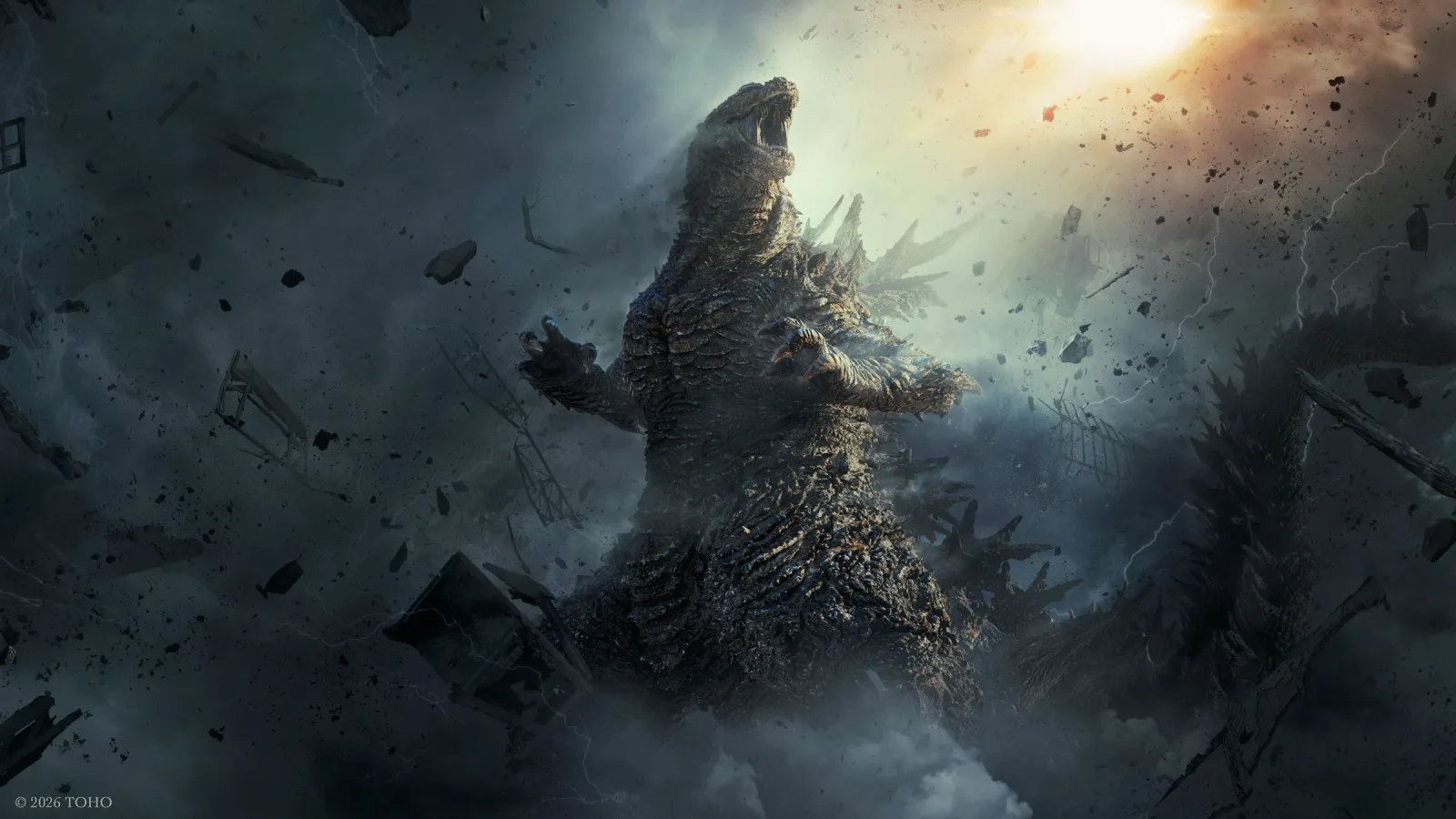
The production team behind Takashi Yamazaki’s latest Godzilla film has revealed a rather chaotic behind-the-scenes story that blends practical audio engineering with sheer public confusion. According to recent reports, the sound designers needed to capture a truly massive and terrifying roar for the kaiju. To achieve this, they did not rely solely on digital synthesis or studio Foley work. Instead, they took their equipment to a large outdoor dam and set up powerful speakers to blast the sounds into the open air.
The result was exactly what you might expect from unfiltered, high-decibel monster noises echoing off concrete structures. Pedestrians walking near the dam were completely unprepared for the experience. What started as a routine day out turned into a moment of genuine shock for those who stumbled upon the recording session. The sheer volume and unnatural quality of the sounds created an atmosphere that was less like a movie set and more like a disaster scenario.
This anecdote serves as a fascinating reminder of the physical labor involved in creating digital effects. We often assume that modern visual effects are purely computational, generated by algorithms and rendered on powerful servers. However, the auditory landscape of a blockbuster film often requires physical presence and real-world acoustics. The team needed the natural reverb and spatial depth that only a massive outdoor environment could provide.
It also highlights the intersection of art and public nuisance. Filmmakers are constantly pushing boundaries to create immersive experiences, but they must navigate the reality of their surroundings. The decision to use a public space like a dam suggests a desire for authenticity that outweighed the potential for disruption. It is a bold move that prioritizes the final product over the comfort of passersby.
For AI enthusiasts, this story offers a subtle but important lesson about the limits of current generative models. While AI can synthesize incredible sounds, it often lacks the specific physical context and accidental nuances of real-world recording. The terror felt by the bystanders was a genuine human reaction to an unnatural stimulus in a natural setting. AI struggles to replicate that specific layer of contextual fear and surprise.
As we move further into an era of synthetic media, the value of authentic, physically recorded elements may increase. Audiences are becoming more sophisticated in detecting the uncanny valley of AI-generated content. There is a growing appreciation for the tangible, messy, and sometimes disruptive processes that create art. The Godzilla team’s method, while disruptive, ensured a level of realism that pure digital generation might miss.
What this means for you: When working with AI audio tools, do not rely solely on synthetic generation for critical narrative elements. Try combining AI-generated soundscapes with field recordings to add texture and realism. Here is a prompt you can use to guide your AI assistant in blending these elements: "Analyze the provided field recording of urban noise and suggest three ways to layer AI-generated ambient drones to create a sense of unease without losing the natural reverb of the original environment."
Ready to apply this tech at your business?
Viking Net helps teams in San Antonio and worldwide stay ahead.