Will HomeView support third-party apps? Here’s what Apple says
By the AIdeaFlow Team
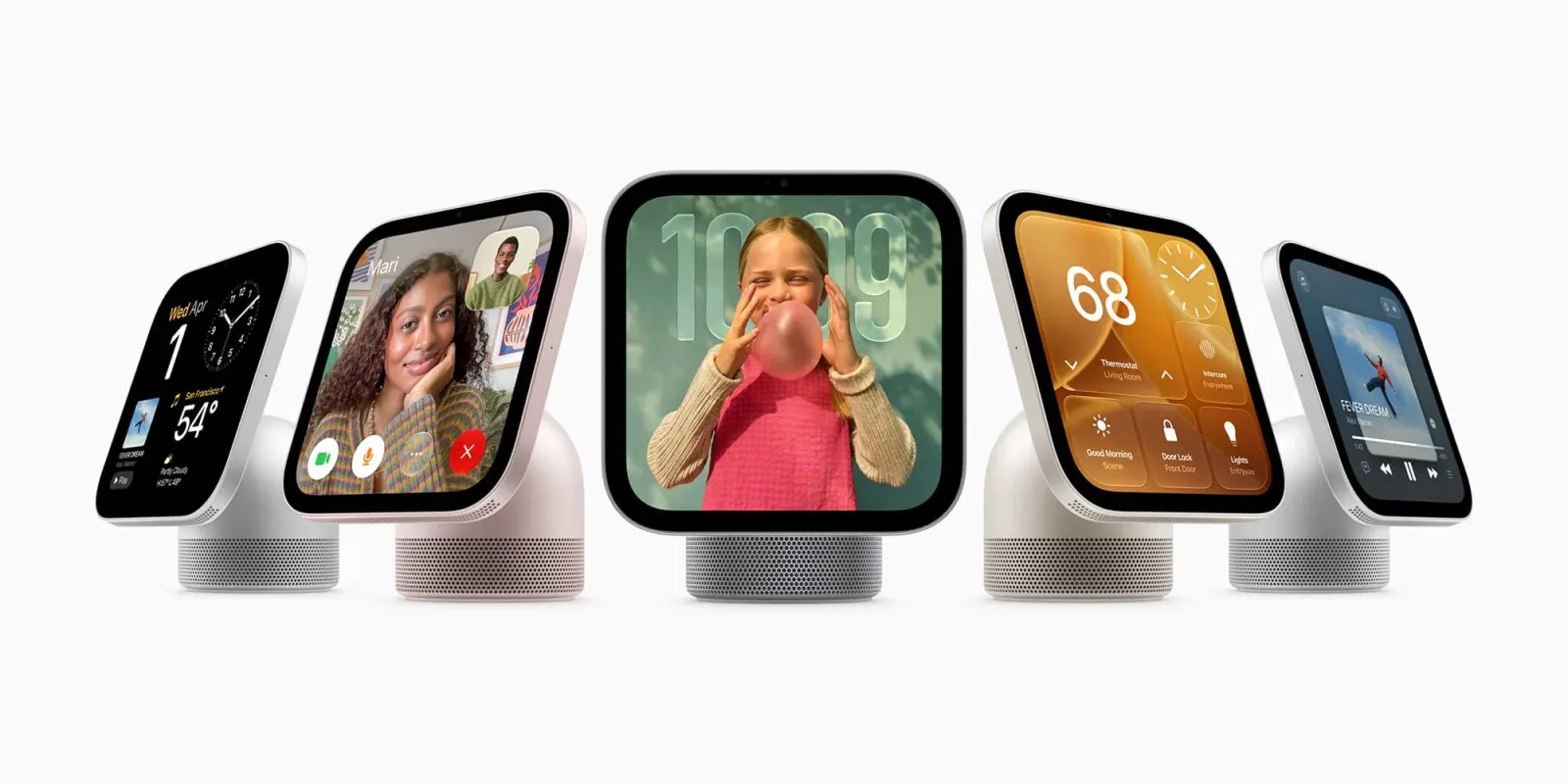
Apple has officially introduced HomeView, a sleek smart home display priced at $299. This device features a seven-inch screen designed to serve as a central hub for connected accessories. Users can control their smart lights, make FaceTime calls, and stream music or video content with ease. It is a polished entry into a market that has seen mixed success from previous attempts.
The immediate buzz, however, is not about the hardware itself. It is about the software ecosystem. TechCrunch reports that Apple has addressed concerns regarding third-party app support. The question on everyone’s mind is whether this device will remain a closed garden or open its doors to the broader developer community. This decision will likely shape the device's long-term viability.
Apple’s response suggests a cautious approach to openness. While the device supports HomeKit accessories natively, the ability to run arbitrary third-party apps is not guaranteed. This mirrors the strategy seen with the Apple Watch and HomePod. The company prioritizes security and user experience over unrestricted access. This creates a friction point for developers who want deeper integration.
For the average consumer, this might not be a dealbreaker. The built-in features cover most common smart home needs. However, for power users and entrepreneurs, the lack of an open app store is a significant limitation. It prevents the kind of innovation that thrives in more open ecosystems like Android or even Amazon’s Alexa platform. The device risks becoming a static controller rather than a dynamic platform.
This move highlights Apple’s ongoing tension between its walled garden philosophy and the demand for interoperability. In the broader AI and tech landscape, openness is increasingly valued. Users want tools that can adapt to their specific workflows. A rigid ecosystem can feel restrictive when trying to integrate niche or emerging technologies. Apple must balance security with utility to maintain relevance.
The implications for the smart home industry are profound. If Apple does not open up HomeView, it may cede ground to competitors who offer more flexibility. Developers might focus their efforts on platforms that allow for greater customization. This could lead to a fragmented market where Apple users are left with fewer options for advanced automation. The company will need to justify its restrictive stance with superior performance and reliability.
What this means for you: If you rely on custom smart home automations or niche integrations, HomeView might feel limiting. Consider whether the convenience of Apple’s ecosystem outweighs the loss of flexibility. For those willing to experiment, try using the Shortcuts app to create custom routines that bridge the gap between Apple’s native features and third-party services. This workflow can help you maximize the device’s potential despite its closed nature.
Ready to apply this tech at your business?
Viking Net helps teams in San Antonio and worldwide stay ahead.