New Apple TV 4K vs previous model: Here’s everything new
By the AIdeaFlow Team
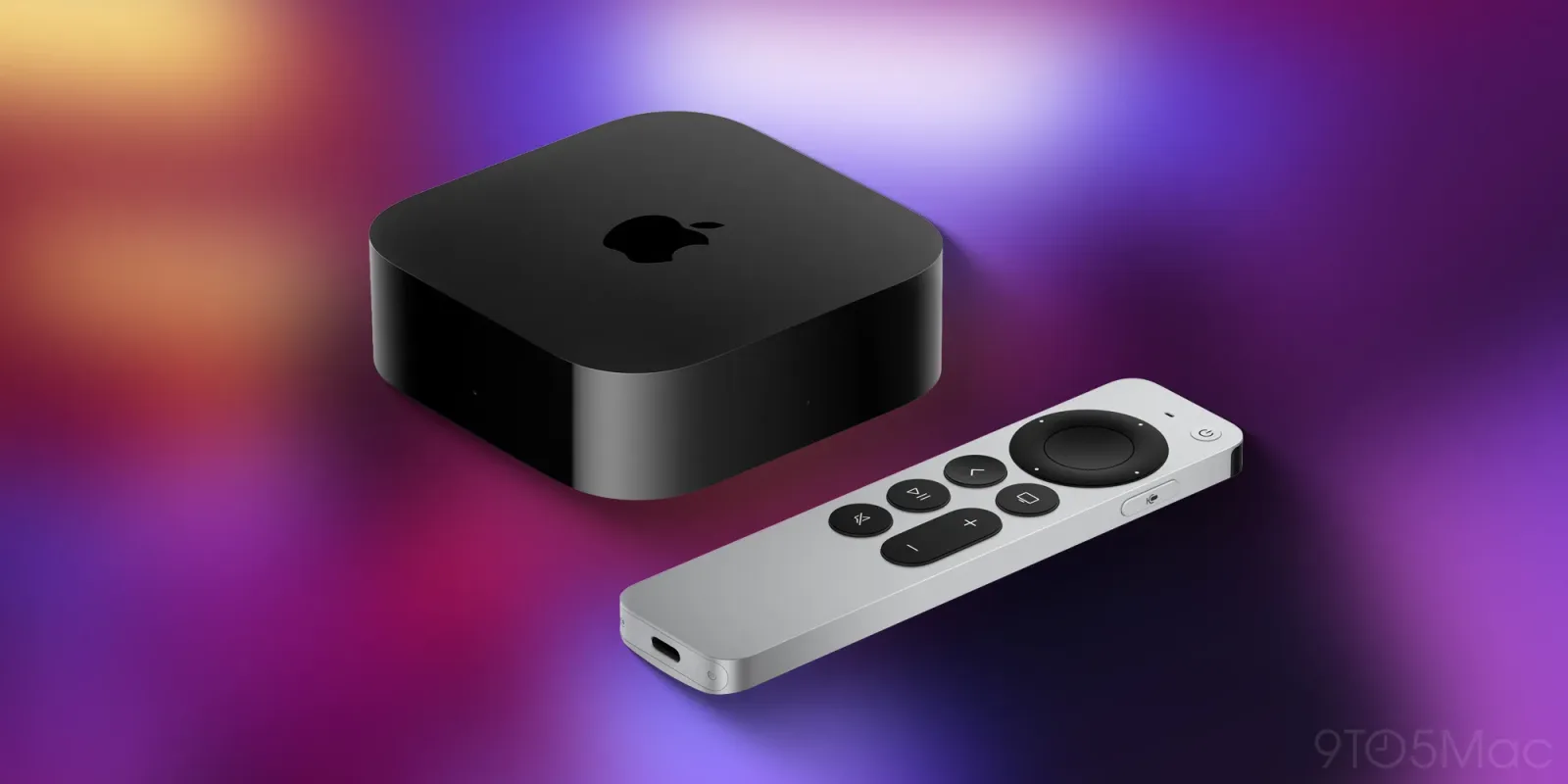
Apple has officially unveiled the fourth generation of the Apple TV 4K, marking a substantial leap forward from the third generation model that debuted in 2022. According to recent reports, this new iteration is not just a minor refresh but a complete overhaul of the internal architecture and user experience. The device now features the powerful A18 Bionic chip, which is the same silicon found in the iPhone 16 series. This is a massive jump in processing power that will likely extend the device's lifespan and improve performance across all tasks.
The most visible change is the introduction of a new Siri Remote with a sleeker design and a dedicated camera button. This hardware shift is not merely aesthetic. It suggests that Apple is preparing the Apple TV for more advanced spatial computing interactions. The remote now supports hand tracking and can act as a controller for immersive experiences. This aligns with Apple's broader push into visionOS and mixed reality, even if the Apple TV itself remains a traditional screen-based device.
Another critical upgrade is the support for Wi-Fi 6E and the inclusion of a USB-C port. The move to USB-C is long overdue and highly practical for users who want to connect external storage or accessories without needing adapters. Wi-Fi 6E ensures that the device can handle high-bandwidth streaming with minimal latency. This is crucial for 4K HDR content and future-proofing the device against increasing internet speeds. It also makes the Apple TV a more viable hub for smart home automation.
The camera on the new remote is a game changer for accessibility and interaction. It allows for precise cursor control and gesture-based navigation. This technology was previously reserved for high-end headsets. Bringing it to a set-top box democratizes these interaction models. Users can now navigate complex menus with hand gestures, which is a significant improvement over traditional remote controls. This feature also opens up new possibilities for gaming and interactive media.
From an AI perspective, the A18 chip brings enhanced neural engine capabilities. This means that on-device machine learning tasks will be faster and more efficient. Apple TV can leverage these capabilities for better video upscaling, personalized recommendations, and real-time language processing. The integration of AI into the home entertainment experience is becoming more seamless. This device will likely serve as a central node for AI-driven home automation and media consumption.
The pricing remains competitive at $129 for the base model and $149 for the 256GB version. This is a smart move by Apple to keep the device accessible while offering premium features. The value proposition is strong for existing Apple ecosystem users. It also serves as an entry point for those looking to explore spatial computing without buying a full headset. The Apple TV 4K is becoming a versatile device that bridges the gap between traditional TV and future interfaces.
What this means for you: If you are an AI enthusiast or a professional looking to streamline your home office, this device is worth considering. It can serve as a powerful media center and a hub for smart home devices. Try using the new hand-tracking features to control your smart lights or adjust your thermostat without speaking. Here is a prompt you can use with an AI assistant to set up a custom automation: Create a routine where raising my hand triggers the living room lights to dim and the Apple TV to launch my favorite news app. This workflow leverages the new remote capabilities for a more intuitive home experience.
Ready to apply this tech at your business?
Viking Net helps teams in San Antonio and worldwide stay ahead.