Laplace Intelligence red-teams robots and self-driving cars before they hit the real world
By the AIdeaFlow Team
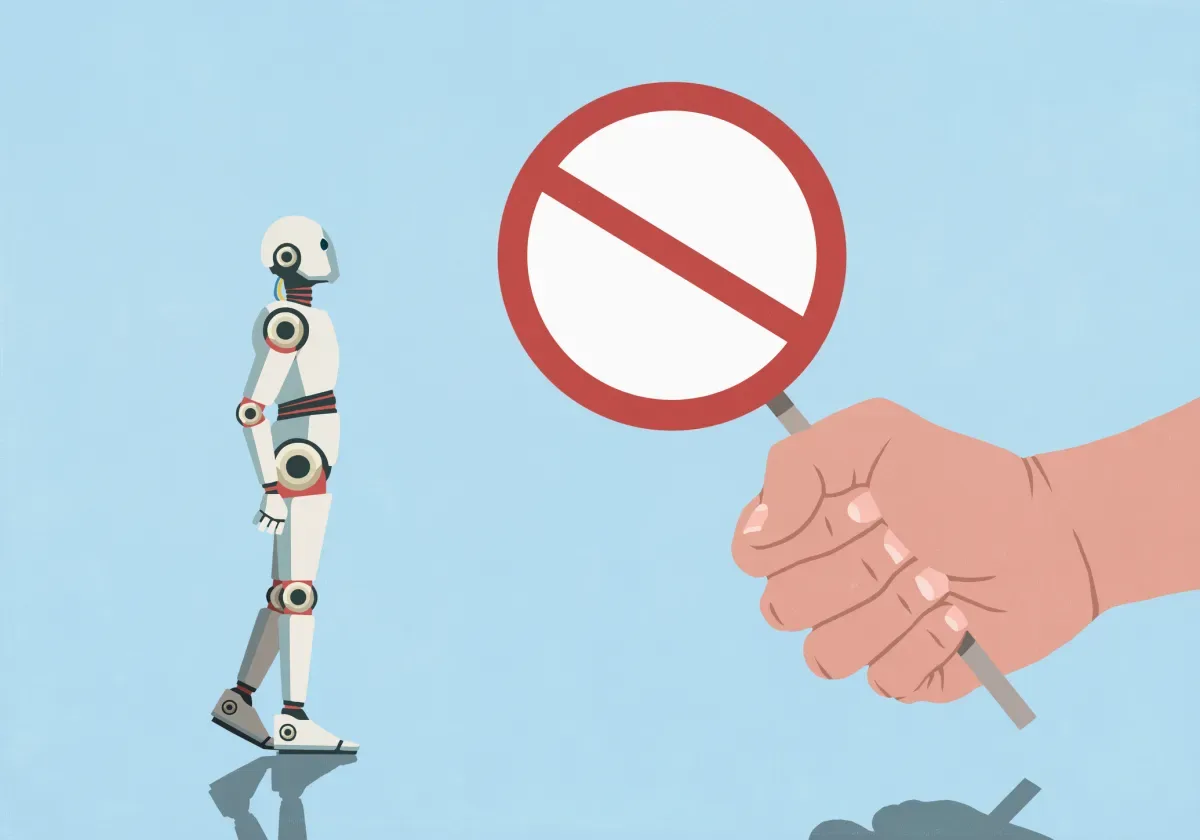
The race to deploy autonomous systems is no longer just about building smarter cars or more agile robots. It is equally about proving they will not fail catastrophically when faced with the unpredictable chaos of the real world. According to recent reporting, Laplace Intelligence is tackling this exact problem by using AI agents to red-team these systems before they ever leave the lab.
This University of Michigan spinout has developed a unique approach that combines interactive simulation with aggressive AI testing. Instead of relying solely on traditional safety protocols, they use AI agents to actively look for weaknesses. They are essentially playing the role of a malicious actor or a chaotic variable to see if the system can hold up under pressure.
The company is currently competing in the Startup Battlefield at TechCrunch Disrupt. This platform highlights innovative startups that are shaping the future of technology. Laplace is presenting its solution as a critical layer of security for the next generation of physical AI. Their goal is to ensure that robots and self-driving vehicles are robust enough for commercial deployment.
What makes this approach particularly interesting is the shift from passive testing to active adversarial simulation. Traditional methods often involve running predefined scenarios. Laplace uses AI to generate novel and unexpected edge cases. This mimics the kind of unpredictable behavior that causes accidents in the real world. It is a proactive defense strategy rather than a reactive one.
The implications for the broader AI industry are significant. As we integrate more autonomous systems into our daily lives, the cost of failure becomes increasingly high. A software bug can be patched. A physical robot causing harm cannot be easily undone. Laplace’s model suggests that simulation-based red-teaming will become a standard requirement for any serious AI hardware company.
This trend points toward a future where safety is baked into the development cycle through continuous adversarial testing. It is not enough to build a system that works in ideal conditions. It must be stress-tested against a wide variety of hostile or chaotic inputs. This ensures resilience and builds trust with regulators and consumers alike.
For professionals working in AI safety or product development, this highlights the growing importance of simulation environments. You should consider how your current testing pipelines handle edge cases. Are you relying on static data or dynamic adversarial agents? The gap between simulation and reality is where most failures occur.
What this means for you If you are building or deploying AI agents, you need to think about adversarial testing. Try using an AI assistant to generate edge case scenarios for your current project. Ask it to identify potential failure points in your logic. Then simulate those scenarios to see how your system responds. This simple workflow can help you catch issues before they become costly problems.
Prompt idea: Generate five unexpected edge cases for a customer service AI agent that handles refund requests. Simulate how the agent would respond to each case and identify any potential security or logic vulnerabilities.
Ready to apply this tech at your business?
Viking Net helps teams in San Antonio and worldwide stay ahead.