PSA: Wall-mounted HomeView may not work if you buy the wrong power adapter
By the AIdeaFlow Team
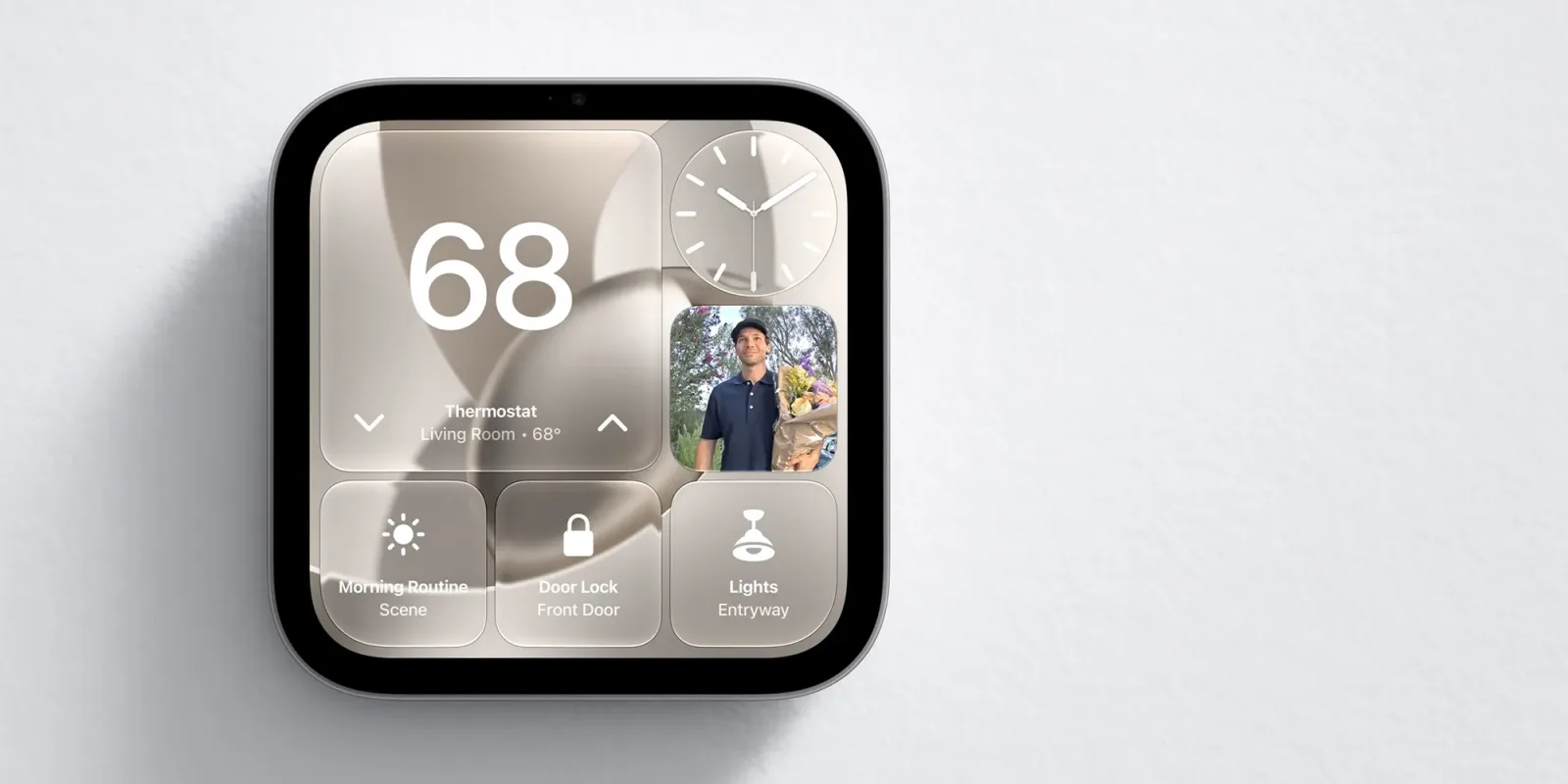
Apple has officially confirmed a frustrating detail for early adopters of the new HomeView. The wall-mounted smart display does not include a power adapter in the box. This omission has led to confusion among consumers who expected a complete out-of-the-box experience. The company has since published a support document to clarify exactly what is needed to power the device. According to the report, users must purchase a compatible adapter separately to get the unit running.
This situation is not just about a missing cable. It reflects a broader shift in how tech companies manage hardware ecosystems and supply chains. By separating the power brick from the device, Apple can reduce shipping weight and potentially lower initial costs. However, this strategy often backfires by creating friction for the average consumer. People expect their smart home devices to be plug-and-play solutions. Forcing them to hunt for specific adapters disrupts that seamless experience.
The support document outlines specific power requirements that users must meet. This means you cannot just grab any USB-C charger from your drawer. The HomeView likely requires a certain wattage or power delivery profile to function correctly. If you use an underpowered adapter, the device might not turn on or could behave erratically. This adds a layer of complexity to setting up what should be a simple home automation tool.
For AI enthusiasts and smart home professionals, this is a critical detail to consider. The HomeView is designed to be a central hub for managing smart home devices. If the power setup is complicated, it could deter users from integrating it into their daily routines. The friction of buying the wrong adapter and dealing with returns is a significant barrier. It highlights the importance of clear communication from manufacturers regarding hardware accessories.
This trend of modular hardware is becoming more common in the tech industry. Companies are increasingly selling devices without essential accessories to cut costs. While this might make sense for enterprise buyers who already have the necessary power solutions, it is less ideal for consumers. The HomeView is positioned as a consumer product. Therefore, the lack of included accessories feels like a misstep in user experience design.
What this means for you is that you need to plan your smart home purchases carefully. Do not assume that a device will work with any standard power source. Always check the manufacturer’s support page for specific power requirements before buying. This proactive step can save you time and money on returns and exchanges. It also ensures that your smart home ecosystem runs smoothly from day one.
To streamline your setup process, try using an AI assistant to verify compatibility. You can ask your AI tool to summarize the power requirements for the HomeView and suggest compatible adapters based on your existing gear. This workflow helps you avoid common pitfalls and ensures a seamless integration into your home network. Always double-check the wattage and connector type to avoid any issues.
Ready to apply this tech at your business?
Viking Net helps teams in San Antonio and worldwide stay ahead.