Cerebras CEO says we're nearing a future where everyone has a personal AI assistant at home
By the AIdeaFlow Team
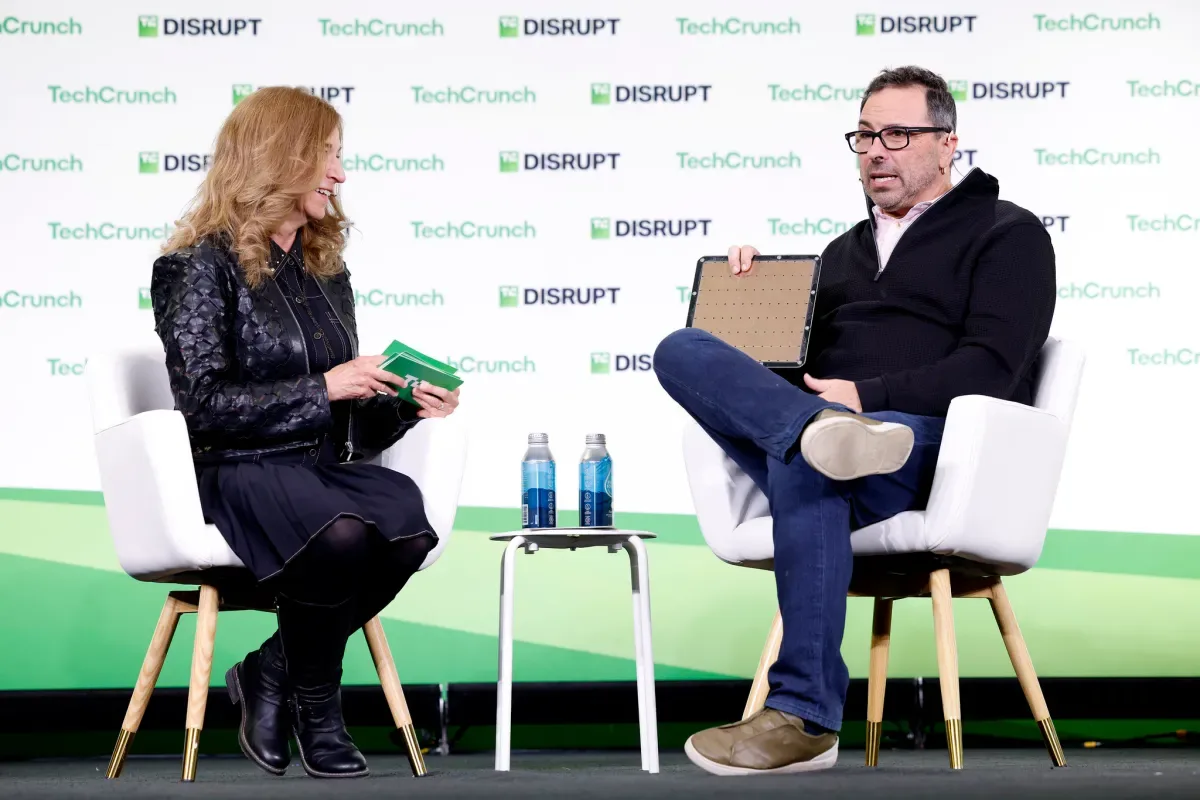
Cerebras Systems CEO Andrew Feldman has laid out a compelling vision for the near future of artificial intelligence, suggesting that personal AI assistants will soon become as commonplace as our current household appliances. According to his perspective, this transition is not just about convenience but represents a fundamental shift in how we interact with technology in our daily lives. The idea is that these assistants will be deeply integrated into our homes, offering assistance that feels natural and unobtrusive.
What makes this prediction particularly interesting is the architectural approach Feldman advocates. He envisions a hybrid model where these personal assistants run partly on local devices and partly in the cloud. This distinction is crucial because it addresses two of the biggest pain points in current AI adoption: latency and privacy. By keeping sensitive data processing local, users can maintain greater control over their information while still leveraging the massive computational power of the cloud for complex tasks.
The comparison to household appliances is not merely metaphorical. Just as we expect a refrigerator to keep food cold without us needing to understand the thermodynamics behind it, we will soon expect AI assistants to handle complex queries and tasks without friction. This expectation of seamless integration drives the need for specialized hardware that can handle inference efficiently at the edge. Cerebras, with its focus on wafer-scale engineering, is positioning itself to support this kind of high-performance local and hybrid computing.
This trend highlights a broader industry movement away from purely cloud-dependent models. As AI becomes more embedded in our daily routines, the reliance on constant internet connectivity becomes a liability. Local processing ensures that your assistant remains responsive even during network outages. It also reduces the bandwidth costs associated with sending every single interaction to a remote server. This decentralization is key to scaling AI for billions of users without overwhelming global infrastructure.
For entrepreneurs and developers, this signals a clear opportunity in the edge AI space. Building applications that can intelligently split workloads between local chips and cloud clusters will be a valuable skill set. The market is moving toward solutions that offer the best of both worlds: the privacy and speed of local processing with the scalability of the cloud. Companies that master this balance will likely lead the next wave of consumer AI products.
The implications for data privacy are significant. When personal assistants run locally, they do not need to transmit every voice command or text input to a central data center. This reduces the attack surface for data breaches and aligns with growing consumer concerns about surveillance capitalism. Users are becoming more aware of how their data is used, and local processing offers a tangible way to mitigate those risks while still enjoying advanced AI capabilities.
What this means for you: If you are integrating AI into your workflow or business, start thinking about hybrid architectures. You do not need to build your own hardware, but you should choose tools that support local inference where possible. Try this prompt with your AI assistant to test local vs cloud capabilities: "Analyze this document for sensitive information. If it contains PII, summarize the key points without storing the raw text. If it is general, provide a detailed breakdown." This helps you understand how your tools handle data privacy and locality in real-time scenarios.
Ready to apply this tech at your business?
Viking Net helps teams in San Antonio and worldwide stay ahead.