Apple's frenetic HomeView video showed the one use-case for this device
By the AIdeaFlow Team
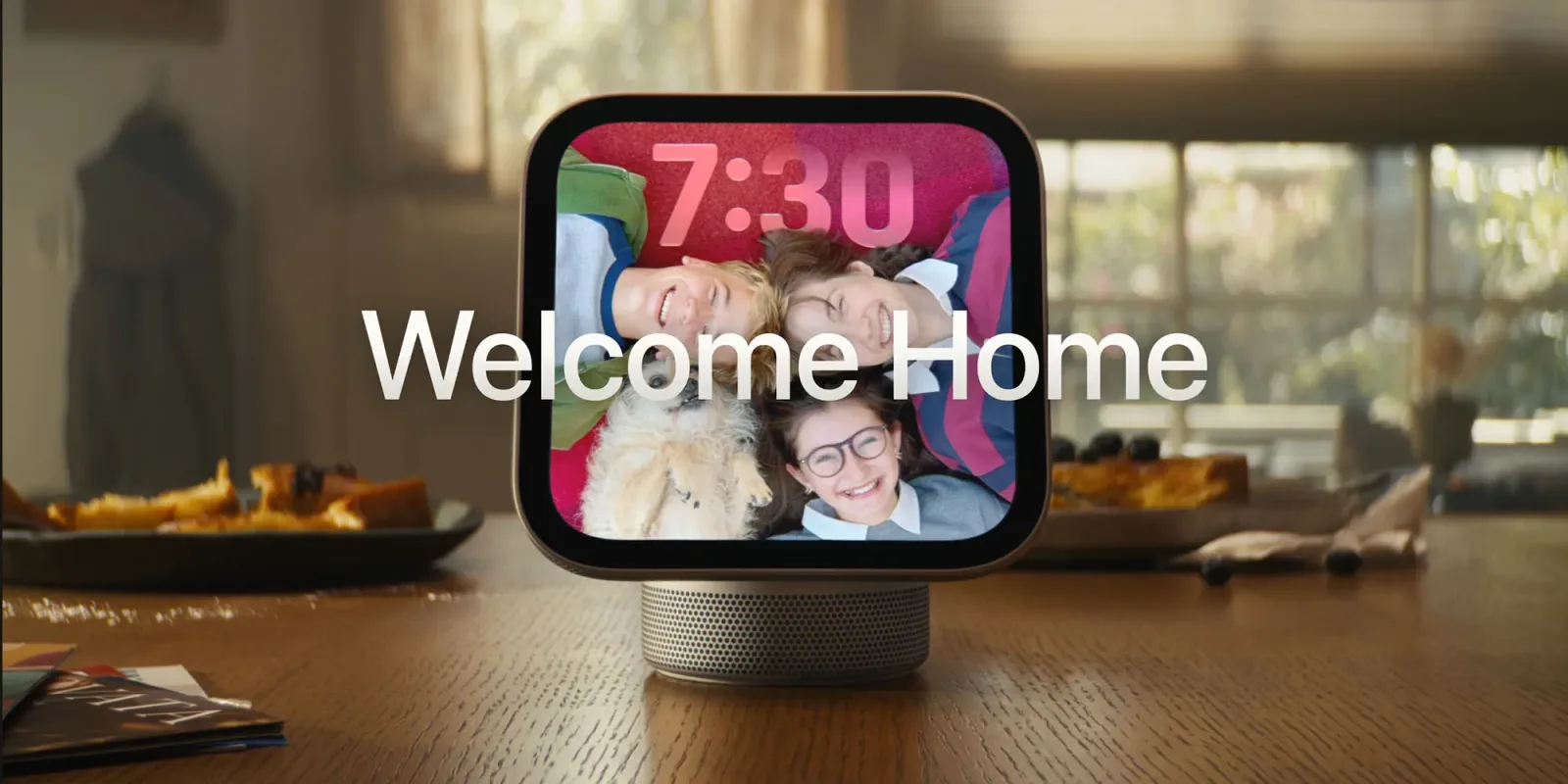
The recent launch video for Apple's HomeView product has left many observers feeling a distinct sense of unease. Unlike the polished, serene narratives Apple typically crafts for its hardware releases, this presentation felt rushed and overwhelming. The frenetic editing style did not highlight the elegance of the device but rather emphasized a constant, jittery stream of visual data. This approach seems to perfectly encapsulate the one primary use-case for this specific gadget, even if it is not the one Apple likely intended to showcase.
According to the initial reporting, the anxiety induced by watching the video is not an isolated reaction. It appears to be a direct result of how the interface presents information to the user. The screen is filled with multiple camera feeds switching rapidly, creating a dashboard that feels more like a security operations center than a home management tool. This design choice shifts the focus from convenience to constant monitoring, which can be mentally exhausting for the average consumer.
This shift in user experience highlights a broader tension in the smart home industry. Companies are often caught between providing useful automation and offering invasive surveillance capabilities. Apple's HomeView seems to lean heavily into the latter, prioritizing real-time visual access over seamless integration with other home systems. The result is a device that feels more like a security camera hub than a holistic smart home controller.
The implications for users are significant. If the primary interaction model involves staring at a grid of live feeds, the device becomes a source of stress rather than relief. This contradicts the core promise of smart home technology, which is to make life easier and more efficient. Instead, it risks turning the home into a panopticon where every corner is under constant digital watch. Users may find themselves constantly checking the app, leading to digital fatigue rather than digital assistance.
From a product strategy perspective, this approach is risky. While security is a valid market, it is a niche compared to the broader smart home audience. By focusing so intensely on the surveillance aspect, Apple may alienate users who simply want to control their lights, thermostat, or locks without feeling like they are managing a security firm. The lack of calm, intuitive design elements further exacerbates this disconnect.
What this means for you is that you should approach smart home devices with a critical eye toward their primary function. If a device feels like it is designed for monitoring rather than assisting, it may not fit into your daily workflow. Consider whether the value of constant visual access outweighs the potential for anxiety and digital clutter. For those interested in AI-driven home management, focus on tools that offer proactive assistance rather than reactive surveillance. Try using an AI assistant to summarize your home's status with a single voice command, bypassing the need to manually check multiple camera feeds. This can help you reclaim a sense of calm and control in your smart home environment.
Ready to apply this tech at your business?
Viking Net helps teams in San Antonio and worldwide stay ahead.