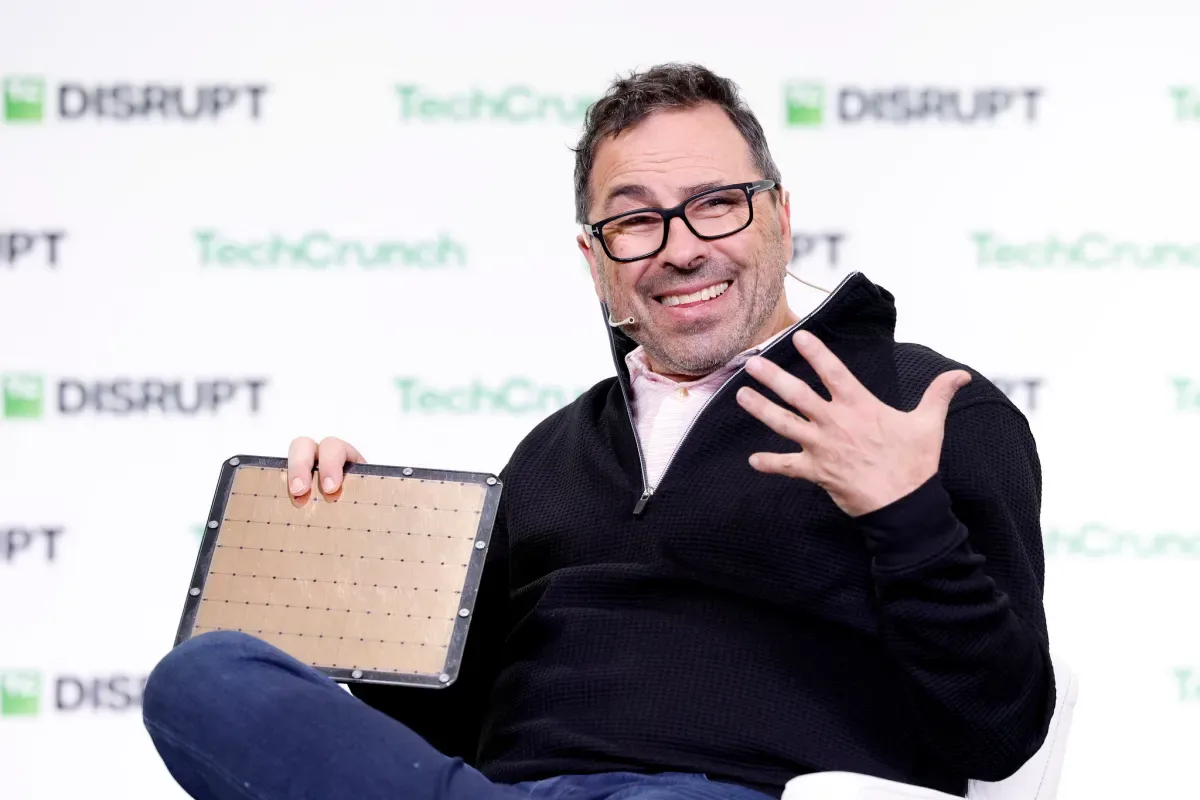
The conversation around artificial intelligence has become increasingly polarized. On one side, we have the hype cycle promising superintelligence and economic transformation. On the other, there is a growing chorus of warnings about existential risks and societal disruption. Cerebras CEO Andrew Feldman recently stepped into this noisy arena to challenge the prevailing narrative. He believes the industry is doing itself a disservice by focusing so heavily on the potential dangers.
Speaking at TechCrunch Disrupt, Feldman made a direct appeal to AI leaders. He suggested that perhaps it is time to stop talking about doomsday scenarios. According to his view, this constant emphasis on risk is drowning out the tangible benefits that AI is already delivering. The industry needs to shift its focus from fear to utility. This is a bold stance in an era where safety concerns often dominate headlines.
The implication here is that the current discourse is unbalanced. While safety is undeniably important, an obsession with worst-case scenarios can hinder progress. It creates a culture of caution that may slow down the development of useful tools. Feldman’s argument suggests that we are missing the forest for the trees. We are so worried about the fire that we forget to build the house.
This perspective aligns with a broader trend in the tech industry. Many engineers and entrepreneurs feel that regulatory and ethical debates are moving faster than technical innovation. They argue that practical applications are being overlooked in favor of philosophical debates. Feldman is essentially asking for a recalibration of priorities. He wants the industry to celebrate what AI can do rather than just what it might destroy.
For professionals and entrepreneurs, this is a crucial distinction. It changes how we approach AI integration in our workflows. Instead of viewing AI as a potential threat, we should see it as a powerful tool for efficiency. The focus should be on solving real problems. This includes automating mundane tasks and enhancing decision-making processes. The benefits are already here for those willing to look for them.
The challenge lies in maintaining a balanced view. We cannot ignore the risks entirely. However, we also cannot let them paralyze us. The goal should be responsible innovation. This means building safeguards while simultaneously pushing the boundaries of what is possible. Feldman’s message is a call to action for the industry to find this balance. It is about moving forward with confidence rather than hesitation.
What this means for you is that you should focus on the practical applications of AI in your daily work. Do not get distracted by the noise of doomsday predictions. Instead, look for ways to integrate AI into your workflow to save time and improve output. You can start by using an AI assistant to summarize long reports or generate draft emails. This allows you to experience the benefits firsthand. Try this prompt with your AI tool: "Analyze the key action items in this document and suggest three ways I can automate these tasks using existing software tools." This approach turns abstract concerns into concrete productivity gains.
Ready to apply this tech at your business?
Viking Net helps teams in San Antonio and worldwide stay ahead.