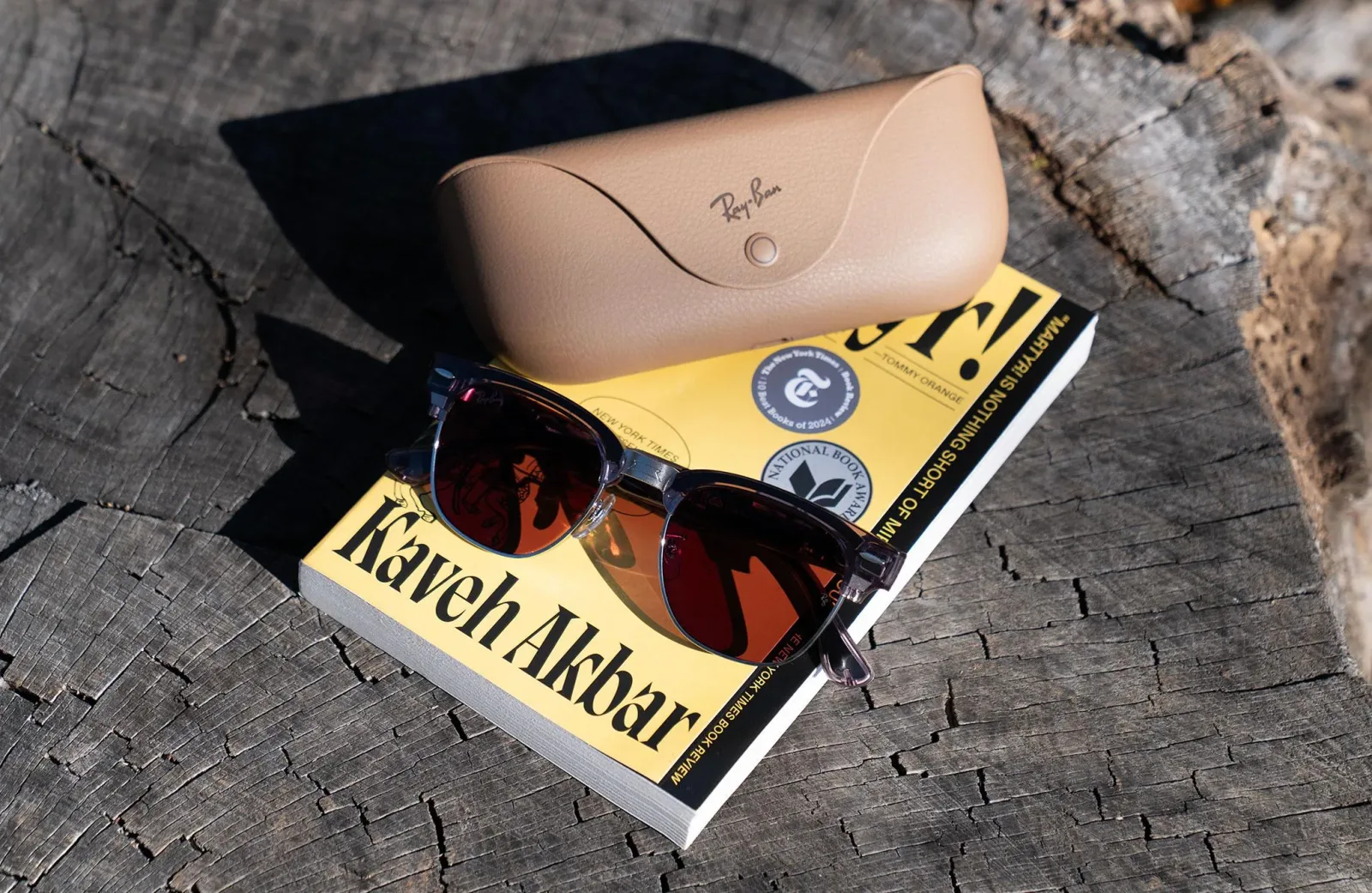
The Verge recently published a candid take on the Ray-Ban Meta Audio glasses, and the core takeaway is surprisingly simple. The reviewer explicitly states they do not miss the camera feature, which suggests a significant shift in how consumers perceive wearable technology. This sentiment aligns with broader privacy concerns that have plagued early generations of smart glasses.
The hardware itself seems to hit the sweet spot for daily use. The reviewer describes a typical day involving running, ordering coffee, and checking calendars. The glasses handled the audio and form factor requirements perfectly. They served as a discreet extension of the user's digital life without drawing unwanted attention.
However, the software experience tells a different story. The AI assistant failed to recognize a connected Google Calendar, a basic integration that should be seamless. This error forced the user to manually troubleshoot a feature that is supposed to be automatic. It highlights a common pain point in the current AI landscape where hardware outpaces software reliability.
This disconnect reveals a deeper issue in the tech industry. Companies are rushing to put AI into physical devices before the underlying models are robust enough for real-world tasks. The result is a frustrating user experience that undermines the very convenience the device promises. The assistant's inability to sync data feels like a missed opportunity for true productivity enhancement.
The reviewer's reaction to the glitch was telling. They sighed and moved on to asking for music recommendations. This casual dismissal suggests that users are becoming more tolerant of minor software flaws if the hardware is good enough. Yet, it also indicates that the potential for these devices to be serious productivity tools is currently unrealized.
From an industry perspective, this review serves as a cautionary tale for developers. Integrating AI into wearables requires more than just adding a voice interface. It demands robust backend connectivity and reliable data synchronization. Without these foundations, the hardware becomes a novelty rather than a necessity.
What this means for you
As AI assistants become more embedded in our daily lives, expect similar growing pains with other wearable devices. To get the most out of your current tools, proactively manage your integrations. Do not assume default connections will work. Test them thoroughly before relying on them for critical tasks.
Try this workflow with your AI assistant:
Create a dedicated prompt to audit your connected services. Ask your AI to list all integrated calendar and email accounts. Then, verify each connection by asking it to pull a specific recent event. This simple check can prevent the frustration of missed appointments and keep your digital life running smoothly.
Ready to apply this tech at your business?
Viking Net helps teams in San Antonio and worldwide stay ahead.