Microsoft has a new machine learning tool to improve weather forecasts
By the AIdeaFlow Team
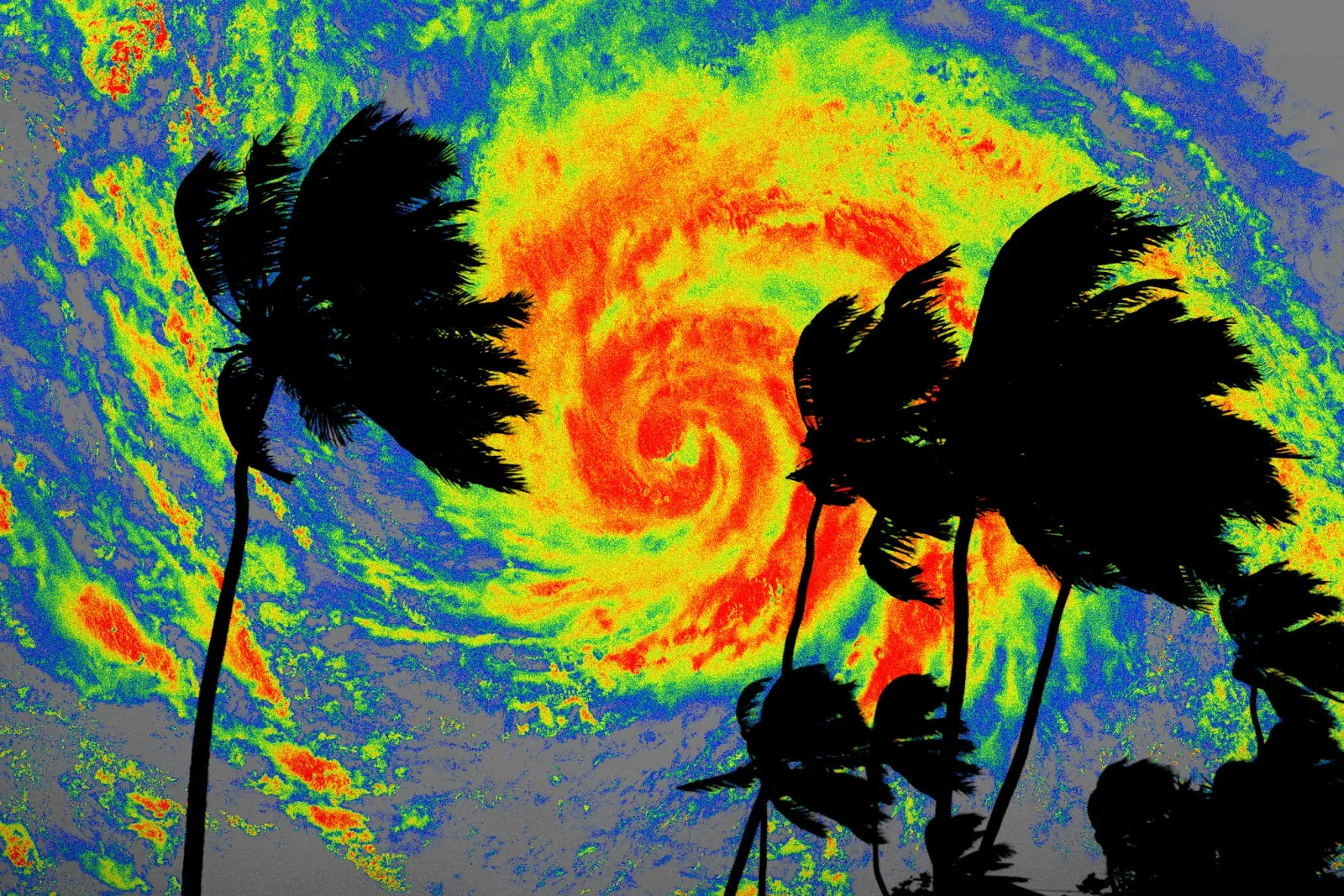
Microsoft has officially joined the growing race to dominate the AI weather forecasting space, but with a twist that could change how we plan for the future. According to reporting by The Verge, the tech giant has published new findings in the journal Nature that challenge the long-standing limitations of both physics-based models and existing AI systems. The core problem they are addressing is the notorious reliability cliff that occurs when trying to predict weather beyond a two-week horizon.
For decades, meteorologists have relied on complex physics equations to simulate atmospheric conditions. While these models are incredibly accurate in the short term, their predictive power degrades rapidly after about fourteen days. Newer AI models have shown promise, but they often struggle with the same long-term instability. Microsoft claims to have found a cost-effective machine learning solution that maintains accuracy for up to six weeks, a significant leap forward in meteorological science.
This is not just an academic exercise. The implications for industries that rely on long-range planning are massive. Farmers can now make more informed decisions about planting and harvesting schedules with greater certainty. Emergency responders can better prepare for potential seasonal disasters, such as hurricanes or droughts, well in advance. This shift from reactive to proactive planning could save billions of dollars and potentially lives by reducing the uncertainty that currently plagues long-term forecasts.
Microsoft is not working in isolation. The landscape of AI-driven weather prediction is becoming increasingly crowded, with heavyweights like Google and Nvidia also investing heavily in this technology. However, Microsoft’s approach stands out because they have made their tool open-source. This decision democratizes access to high-quality long-range forecasting tools, allowing smaller organizations and researchers to build upon their work without needing massive computational resources.
The move to open-source software signals a strategic shift in how big tech views AI infrastructure. By sharing these tools, Microsoft is likely aiming to set industry standards and encourage broader adoption of AI in critical sectors. It also highlights the growing maturity of AI in scientific applications, moving beyond chatbots and image generation into complex, real-world problem solving that requires high precision and reliability.
For professionals in agriculture, logistics, and risk management, this development is a game-changer. The ability to see further into the future with confidence allows for better resource allocation and risk mitigation. It also suggests that AI will increasingly become a backbone for critical infrastructure, complementing rather than replacing traditional scientific methods. The collaboration between tech giants and scientific journals like Nature underscores the seriousness with which these companies are approaching climate and weather challenges.
What this means for you: If you work in any field that involves long-term planning, start integrating these new AI forecasting capabilities into your workflow. You can experiment with open-source weather models to simulate different scenarios for your projects. Try using an AI assistant to help you interpret long-range weather data by asking it to summarize potential risks for a specific region over the next month based on forecasted trends. This will help you stay ahead of seasonal changes and make more data-driven decisions for your business or personal planning.
Ready to apply this tech at your business?
Viking Net helps teams in San Antonio and worldwide stay ahead.