Square’s new kiosk lets you talk to AI for help with your order
By the AIdeaFlow Team
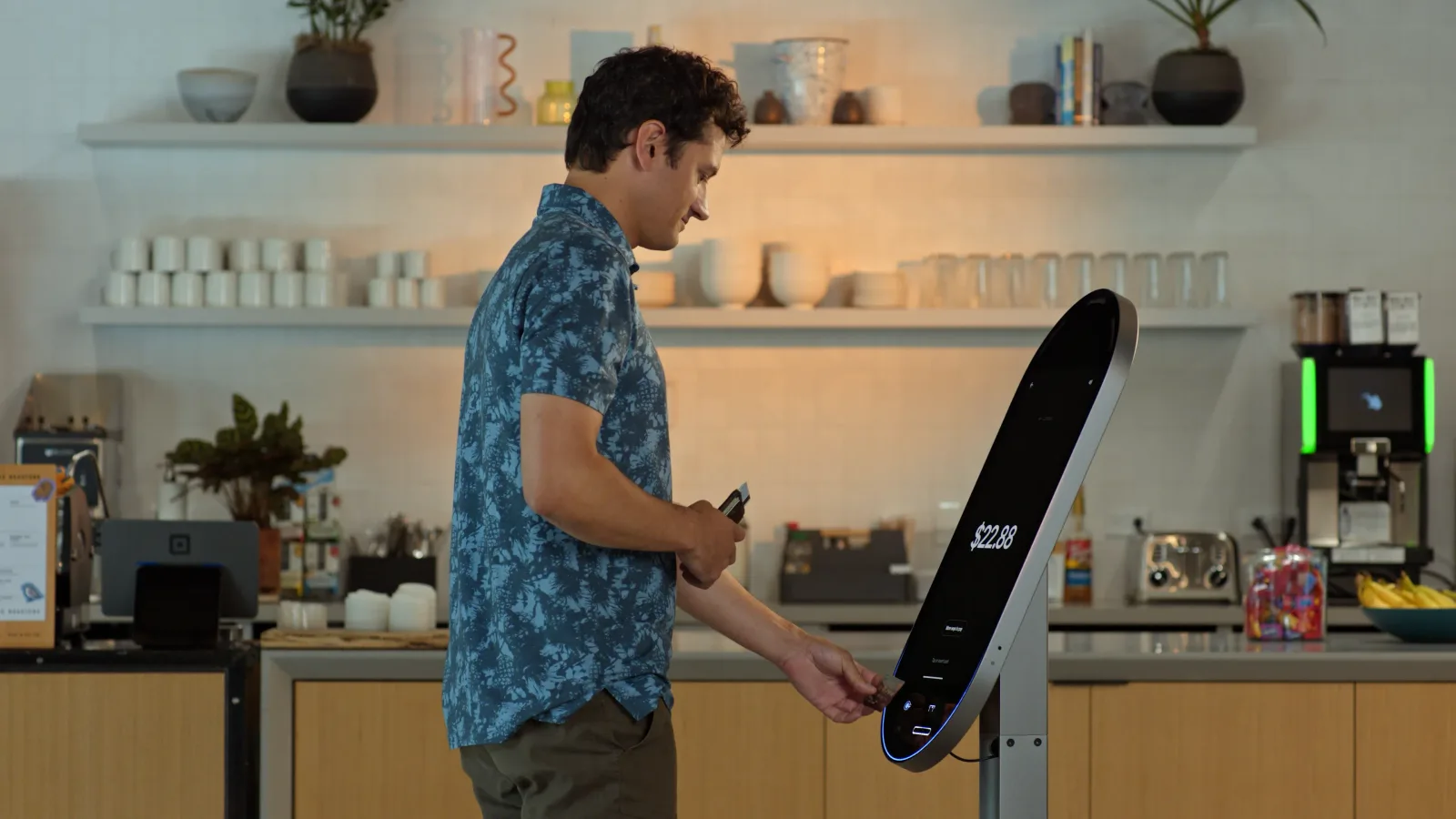
Square is officially expanding its hardware lineup with the Square Kiosk, a device that merges traditional self-service touchscreens with a sophisticated voice interface. According to The Verge, this new pill-shaped terminal is designed to let customers order food or goods by simply talking to it, rather than tapping through static menus. The hardware features a 21.5-inch display and includes presence detection to greet users as they approach the counter.
The core innovation here is not just the microphone array, but the software layer powering it. Square describes this as an agentic, conversational voice layer that deeply understands a specific seller's menu. This means the AI does not just transcribe speech into text. It actually comprehends the context of your order, allowing for natural back-and-forth dialogue that mimics speaking with a human staff member.
This distinction is critical for the hospitality industry. Previous voice ordering attempts often failed because they could not handle complex modifications or substitutions. With this new system, you can ask questions about ingredients or request specific changes to your meal in real time. The AI listens and responds instantly, reducing the friction that often makes self-service kiosks feel robotic or frustrating.
From a business perspective, this represents a significant bet on conversational commerce. Square is moving beyond simple transaction processing to become a full-service experience provider. By integrating this level of AI directly into the point-of-sale hardware, they are attempting to solve the age-old problem of slow service during peak hours without requiring additional staff.
The implications for restaurant owners are substantial. This device promises to streamline operations by handling routine orders and modifications automatically. It also potentially reduces the cognitive load on human staff, allowing them to focus on food quality and customer service rather than repeating order details. However, it also raises questions about the reliability of voice recognition in noisy environments.
For consumers, the experience should feel more intuitive than current kiosk systems. The ability to speak naturally means you do not have to learn a new interface or navigate complex dropdown menus. This lowers the barrier to entry for self-service, which could be particularly helpful for older demographics or those who find touchscreens cumbersome.
What this means for you: If you manage a business or work in retail, watch how Square integrates this with their existing POS ecosystem. The real value lies in the data and efficiency gains from natural language processing. Try using an AI assistant to draft a script for your current menu items to see how well an LLM can handle substitution logic. This will help you prepare for the next wave of voice-first customer interactions.
Prompt idea: Ask your AI assistant to act as a menu engineer. Provide your current menu and ask it to generate a decision tree for common customer modifications. This will help you understand the complexity your AI kiosk needs to handle and identify potential gaps in your current ordering logic.
Ready to apply this tech at your business?
Viking Net helps teams in San Antonio and worldwide stay ahead.