Tesla Debuts 2026 Roadster, an EV Sports Car at Least $200,000
By the AIdeaFlow Team
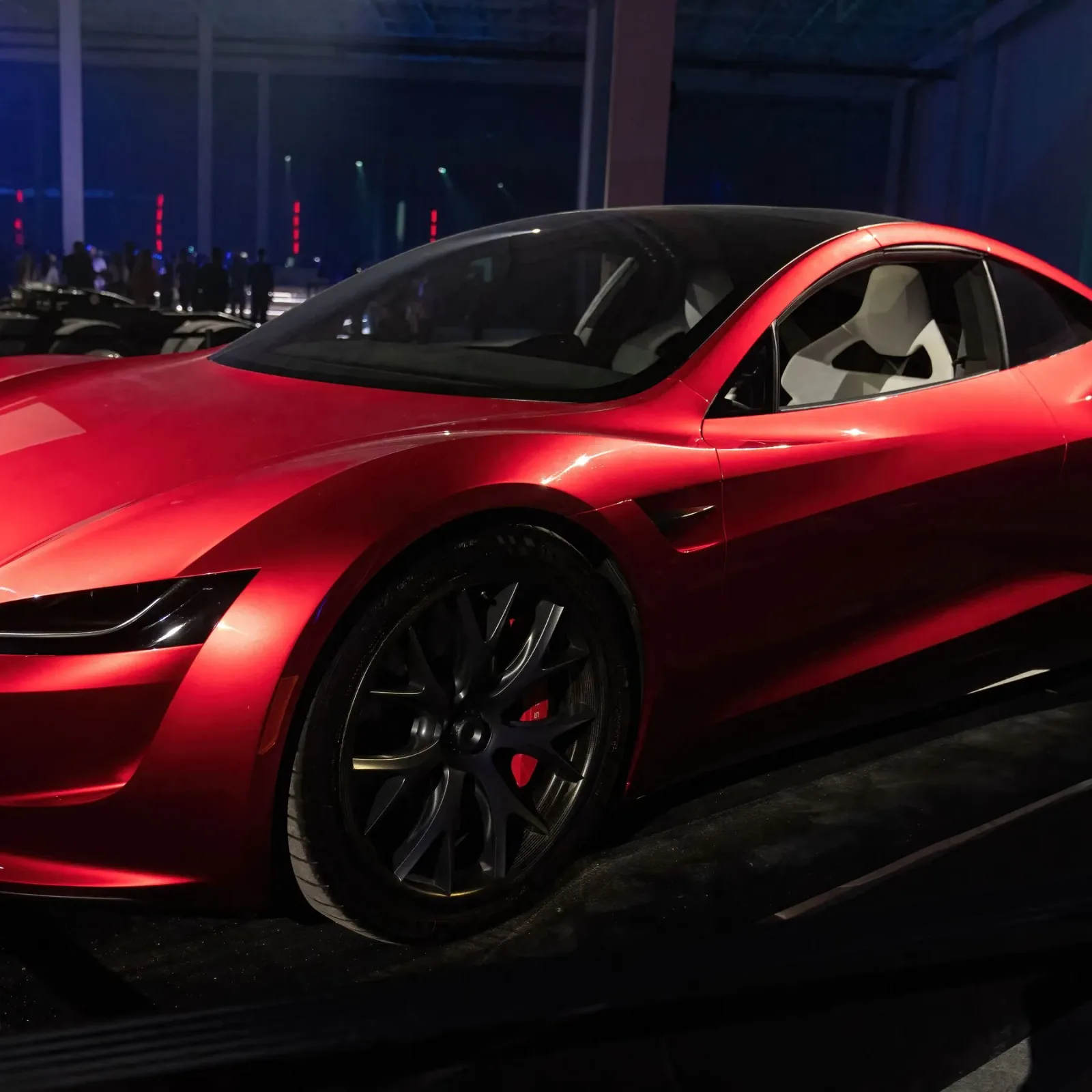
Tesla has officially unveiled its highly anticipated 2026 Roadster, a move that signals a significant pivot in how electric vehicles are positioned in the ultra-luxury segment. According to recent reporting, the new sports car is priced at a steep $200,000 or more. This pricing strategy clearly targets a demographic that has historically been resistant to electric powertrains. The vehicle is not just about speed. It is about status and performance in a way that appeals to traditional automotive enthusiasts.
The launch of this vehicle places Tesla in direct competition with established luxury brands like Jaguar and Bentley. These companies are also attempting to sell very expensive electric cars to people who usually prefer gasoline-fueled luxury and performance. The market for high-end EVs is becoming increasingly crowded. However, the barrier to entry remains high because the target audience is skeptical of the technology despite its environmental benefits. They care more about the driving experience and brand heritage than sustainability.
This strategic move by Tesla reflects a broader trend in the automotive industry. Automakers are realizing that the early adopters of electric vehicles have already been captured. The next wave of growth depends on convincing traditional luxury buyers to switch. These consumers are less concerned with range anxiety and more focused on acceleration, design, and the prestige associated with their vehicle choice. Tesla is leveraging its reputation for innovation to bridge this gap.
The $200,000 price tag is a bold statement. It suggests that Tesla believes its technology and brand equity can command a premium comparable to or exceeding that of legacy luxury marques. This is a risky bet. The automotive market is sensitive to economic fluctuations. High net worth individuals may be more cautious about large discretionary purchases in uncertain times. However, the exclusivity of the Roadster could actually work in Tesla’s favor. Scarcity often drives desire in the luxury sector.
From an AI and technology perspective, this launch is interesting because it highlights the integration of advanced software in hardware. The Roadster is not just a car. It is a rolling data center. The performance metrics, autonomous driving capabilities, and over-the-air updates are key selling points. Tesla’s strength lies in its ability to treat the car as a software platform. This approach differentiates it from traditional manufacturers who are still catching up on their digital infrastructure.
The competition from brands like Bentley and Jaguar is fierce. These companies have decades of brand loyalty and a deep understanding of what their customers value. They are not just selling electric cars. They are selling electric versions of their iconic heritage. Tesla has to prove that its futuristic appeal can outweigh the emotional connection buyers have with traditional brands. This is a marketing challenge as much as it is a technological one.
What this means for you is that the definition of luxury is evolving. If you are an entrepreneur or professional who values cutting-edge technology, the Roadster represents the future of high-performance transport. It suggests that electric vehicles are no longer just for eco-conscious commuters. They are for those who want the best performance available. For those looking to integrate AI into their workflow, consider how Tesla’s approach to software updates can inspire your own product strategies. You might try using an AI assistant to analyze customer feedback on your latest product launch. Ask the AI to identify common themes in user complaints and suggest three actionable improvements based on those insights. This can help you iterate faster and stay competitive in a rapidly changing market.
Ready to apply this tech at your business?
Viking Net helps teams in San Antonio and worldwide stay ahead.