The ‘renewable' iPhone Duo display layer may help buyers justify the price
By the AIdeaFlow Team
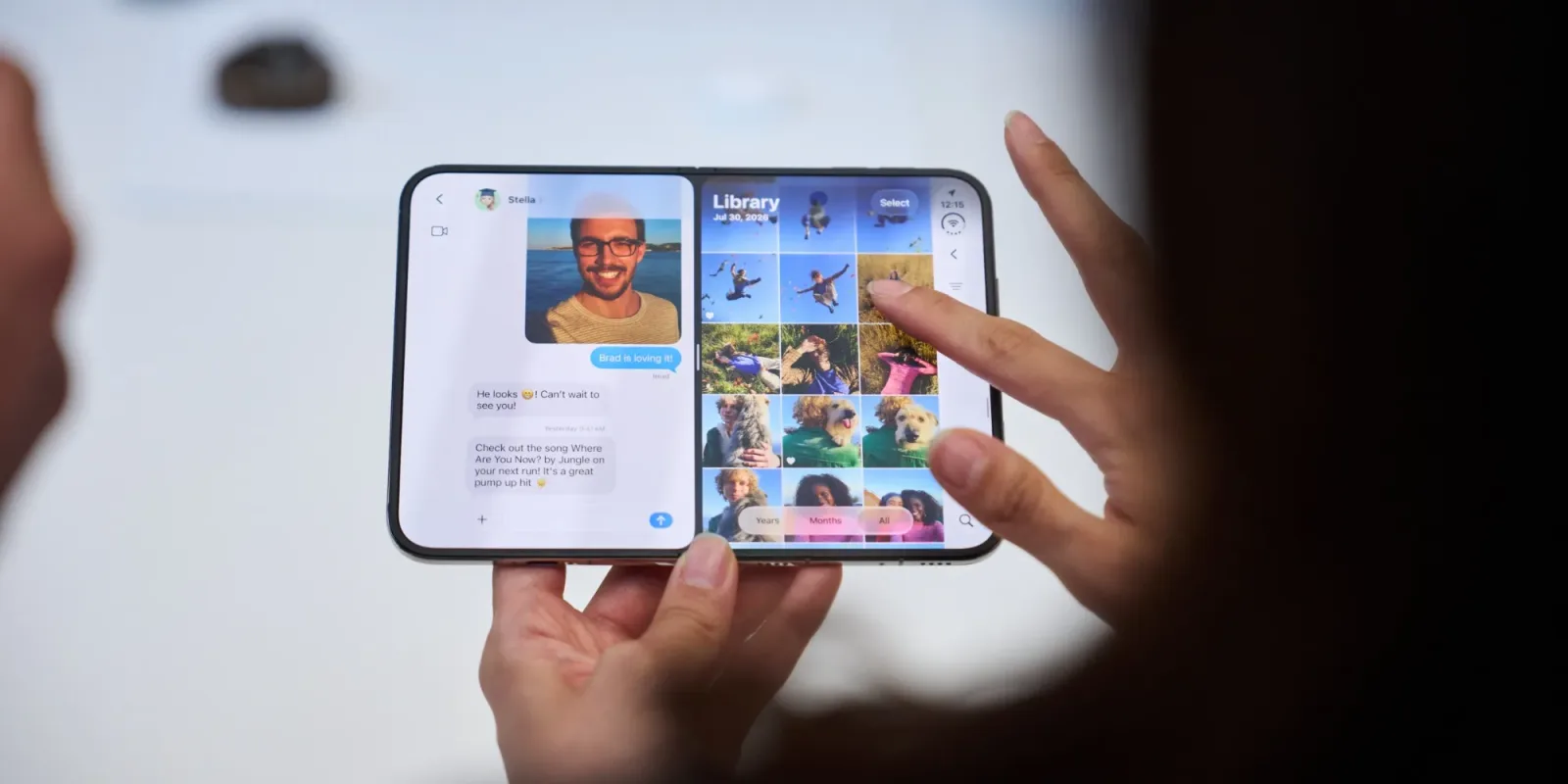
Apple is reportedly tackling the Achilles heel of foldable smartphones with a new renewable display layer for the upcoming iPhone Duo. According to recent reports, this innovative approach targets the durability issues that have plagued competitors and early adopters alike. The goal is to extend the lifespan of the device while maintaining the sleek form factor users expect from a premium Apple product.
The pricing structure for this device is undeniably aggressive. The base model starts at $1999 for 256GB of storage. However, the top-tier 2TB version climbs to a staggering $3199. At this price point, consumers are not just buying a phone. They are investing in a long-term computing device that must withstand significant physical stress.
Foldable screens have historically suffered from crease visibility and eventual failure. Users often face expensive replacements when the delicate inner display cracks or stops responding. Apple claims its renewable layer addresses this specific pain point directly. It offers a surprisingly affordable repair option compared to replacing the entire screen assembly.
This strategy shifts the economic model of smartphone ownership. Instead of a total loss when the screen fails, users can replace just the functional layer. This reduces the environmental impact and lowers the long-term cost of ownership. It is a practical solution that aligns with Apple's growing emphasis on sustainability and right-to-repair initiatives.
From an AI and tech trend perspective, this highlights a maturation in hardware engineering. As devices become more complex, modularity becomes key to longevity. We are likely to see more manufacturers adopt similar repair-friendly designs. This could pressure the broader industry to move away from glued-shut, non-repairable devices.
For professionals relying on their devices for critical work, reliability is paramount. The ability to quickly and affordably repair a screen ensures business continuity. It reduces downtime and protects the significant investment made in the hardware. This feature could be a major selling point for enterprise users and power users.
What this means for you: If you are considering a high-end foldable device, look for modular repair options. Until then, you can use AI to track your device's health and plan maintenance. Try this prompt with your AI assistant to create a maintenance schedule: "Create a monthly checklist for maintaining my smartphone's battery health and screen condition, including tips for cleaning and storage to prevent damage." This proactive approach can help extend the life of your current device while you wait for more sustainable hardware options.
Ready to apply this tech at your business?
Viking Net helps teams in San Antonio and worldwide stay ahead.