Amazon's Bee launches two new personal AI devices, starting at $75
By the AIdeaFlow Team
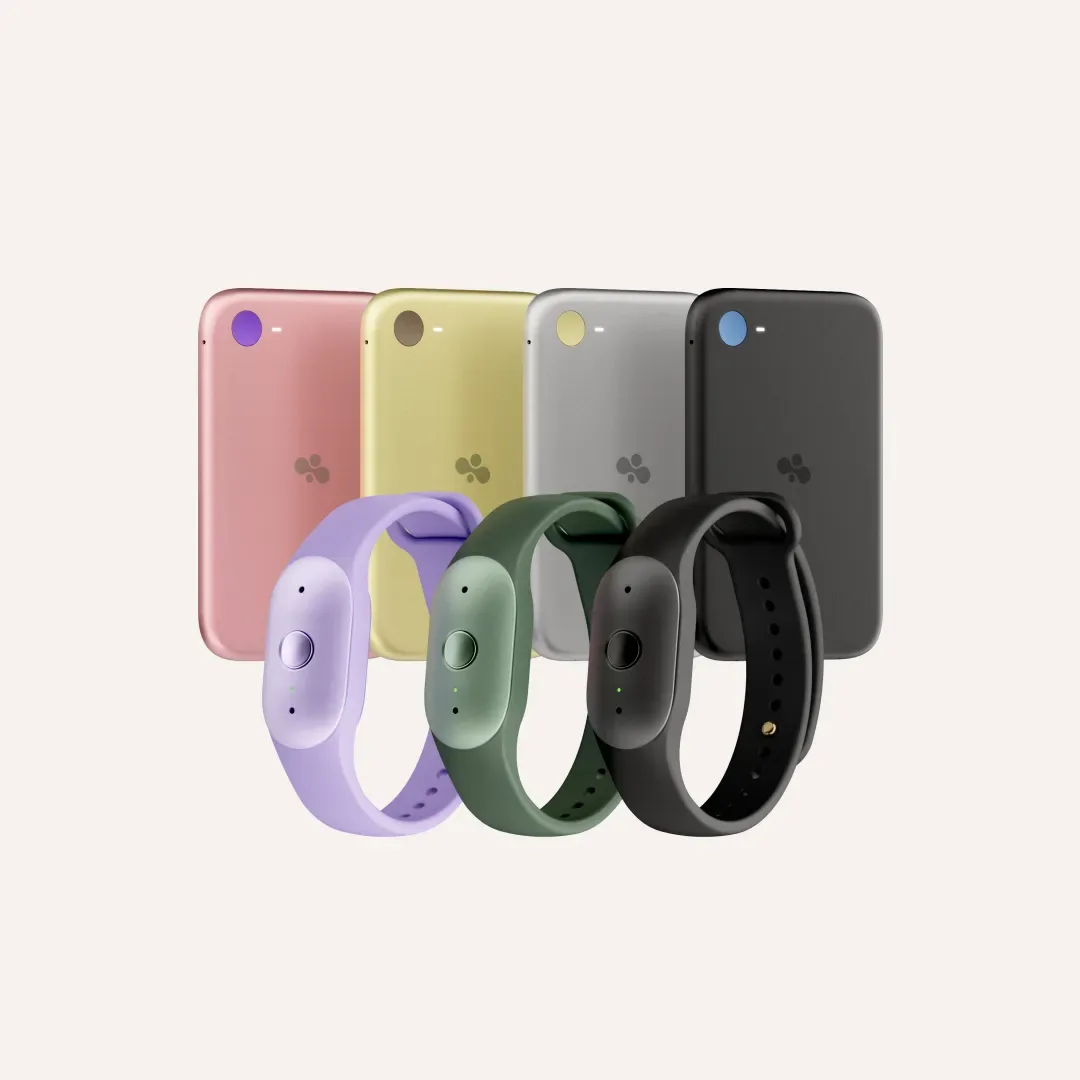
Amazon's Bee division has officially launched its first new AI hardware since the company acquired the startup. This move marks a significant expansion into the personal AI device market, introducing products that aim to seamlessly integrate artificial intelligence into daily routines. The launch includes an updated wearable device and a credit-card-sized recorder designed to attach directly to smartphones. These tools are positioned not just as gadgets, but as active assistants that help users manage their time and information overload.
According to recent reports, the core functionality of these devices revolves around capturing and processing spoken interactions. They are designed to summarize conversations, extract key action items, and automatically generate to-do lists. This approach addresses a common pain point for professionals and students who struggle to retain details from meetings or lectures. By automating the transcription and summarization process, Bee hopes to reduce the cognitive load on users who are constantly bombarded with verbal information.
The pricing strategy is notably aggressive, with costs starting at seventy-five dollars. This places the devices in the accessible range for average consumers rather than just tech enthusiasts. The lower price point suggests that Amazon is aiming for mass adoption rather than targeting a niche premium market. It also indicates a competitive pressure in the wearable AI space, where companies are racing to offer affordable entry points for users curious about ambient computing.
Integration with the broader Amazon ecosystem is a key differentiator for these new devices. They connect with Alexa and Amazon shopping services, allowing for a more cohesive user experience. For example, a to-do list generated from a conversation could potentially trigger reminders or shopping alerts if relevant items are mentioned. This deep integration leverages Amazon's existing infrastructure to make the devices more useful than standalone recorders or transcription apps.
The introduction of a credit-card-sized recorder highlights a trend toward discreet and portable AI hardware. Users can clip this small device to their clothing or bag, ensuring it is always ready to capture audio without being obtrusive. This form factor is particularly appealing for professionals who need to record meetings or lectures without drawing attention to themselves. It represents a shift away from bulky wearables toward more subtle and practical designs.
From an industry perspective, this launch signals Amazon's commitment to expanding beyond cloud services and e-commerce into tangible AI products. It suggests that the company sees personal AI assistants as a critical component of future consumer technology. By offering devices that handle mundane tasks like note-taking and summarization, Amazon is positioning itself as a partner in productivity rather than just a retailer.
What this means for you is that the barrier to entry for using AI in your daily workflow is lowering. You no longer need to manage complex software setups to get the benefits of transcription and summarization. If you are a professional who attends many meetings, consider using a similar AI workflow to capture audio and generate summaries. Try this prompt with your AI assistant after uploading a transcript: "Extract the top three action items from this meeting transcript and assign them to specific team members based on the context provided." This simple step can save you hours of manual note-taking each week.
Ready to apply this tech at your business?
Viking Net helps teams in San Antonio and worldwide stay ahead.