Junji Ito’s Manga Horrors Hit Harder as Live-Action TV
By the AIdeaFlow Team
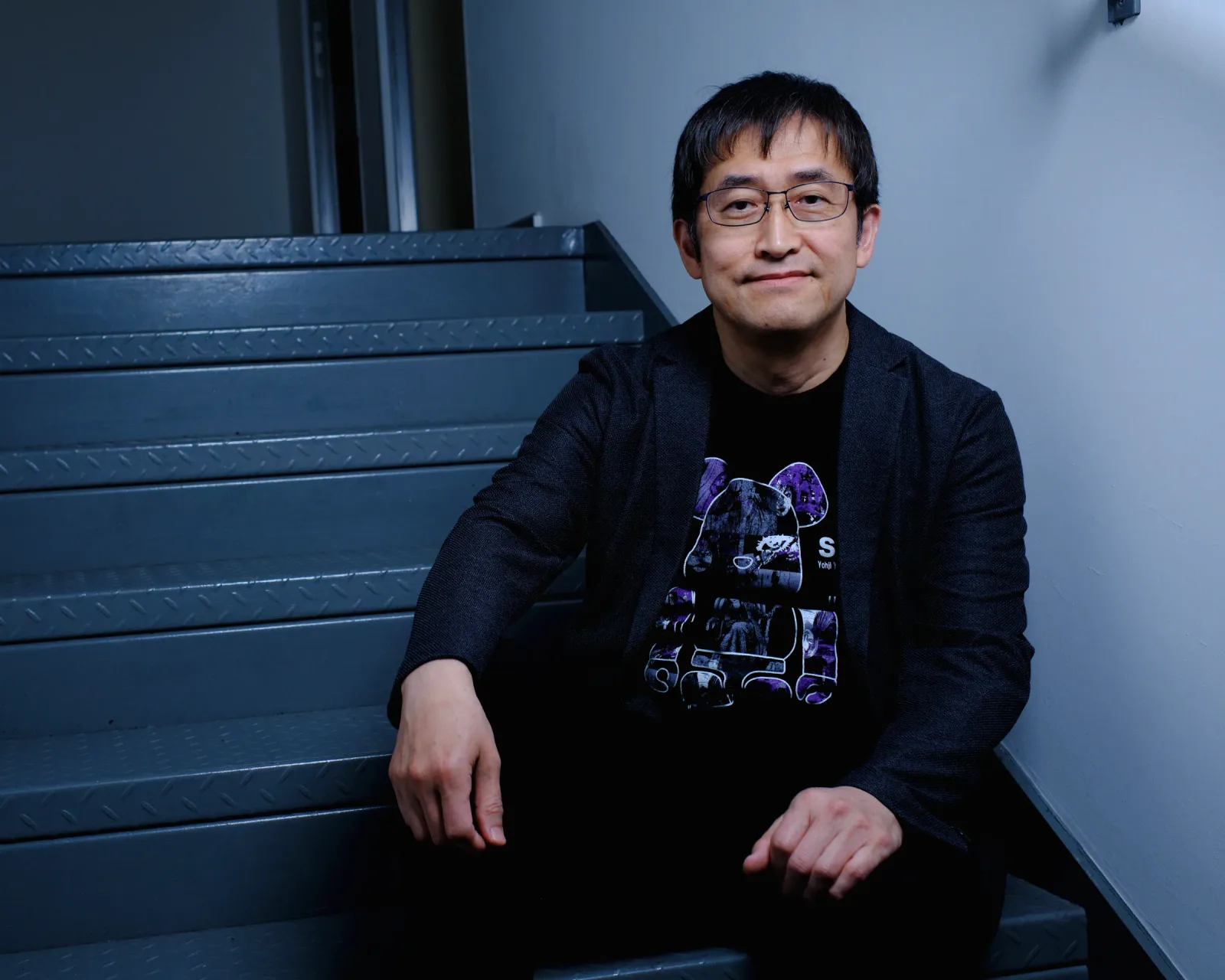
The recent sneak preview of Junji Ito’s latest live-action series on HBO Max has sent shivers down the spines of horror fans everywhere. According to recent coverage, the adaptation transforms his macabre short stories into thirty-minute episodes that are as eerie as they are freaky. This move from page to screen is not just a novelty but a testament to the enduring power of Ito’s unique brand of body horror and psychological terror.
What makes this adaptation particularly interesting is its commitment to the source material’s unsettling atmosphere. The series does not rely on cheap jump scares but instead builds a slow, creeping dread that mirrors the feeling of reading the original manga. This approach resonates with modern audiences who crave content that lingers in the mind long after the screen goes black. It is a sophisticated evolution of how we consume horror in the streaming era.
From an AI perspective, this trend offers a fascinating case study in atmospheric generation. The visual style of Junji Ito’s work is distinct and difficult to replicate, yet AI image and video models are rapidly improving at capturing specific artistic styles and moods. Creators are now experimenting with prompts that emphasize texture, distortion, and unease to mimic this specific aesthetic without relying on traditional filming techniques.
The success of these adaptations suggests a broader shift in how technology intersects with creative horror. As AI tools become more accessible, the barrier to creating high-concept visual narratives is lowering. This means that independent creators can now produce content that rivals major studio productions in terms of visual impact and emotional resonance. The focus is shifting from budget to creativity and prompt engineering skill.
However, the human element remains crucial in crafting genuine fear. While AI can generate the visuals, the narrative structure and psychological depth required to make an audience truly uncomfortable still rely on human intuition. The best AI-assisted projects will likely be those where the technology handles the heavy lifting of visual generation while humans curate the emotional journey. This hybrid approach is becoming the new standard for innovative storytelling.
For professionals in the creative industry, this development signals a need to adapt quickly. Understanding how to leverage AI for atmospheric consistency and stylistic fidelity is becoming a valuable skill. It is no longer enough to just know how to use a tool; one must understand how to guide it to produce specific emotional responses. This is where the real competitive advantage lies in the current market.
What this means for you is that you should start experimenting with AI tools to explore atmospheric storytelling. Try using a generative video or image model to create a scene that evokes dread without showing any explicit horror. Focus on lighting, composition, and subtle distortions to build tension. Here is a prompt you can try: Generate a video of a dimly lit hallway with peeling wallpaper, where the shadows seem to move independently of the light source, creating a sense of unease and anticipation. Use this to practice building mood through visual cues rather than explicit content.
Ready to apply this tech at your business?
Viking Net helps teams in San Antonio and worldwide stay ahead.