Apple TV 4K, HomeView pre-order ship times now delayed later in November
By the AIdeaFlow Team
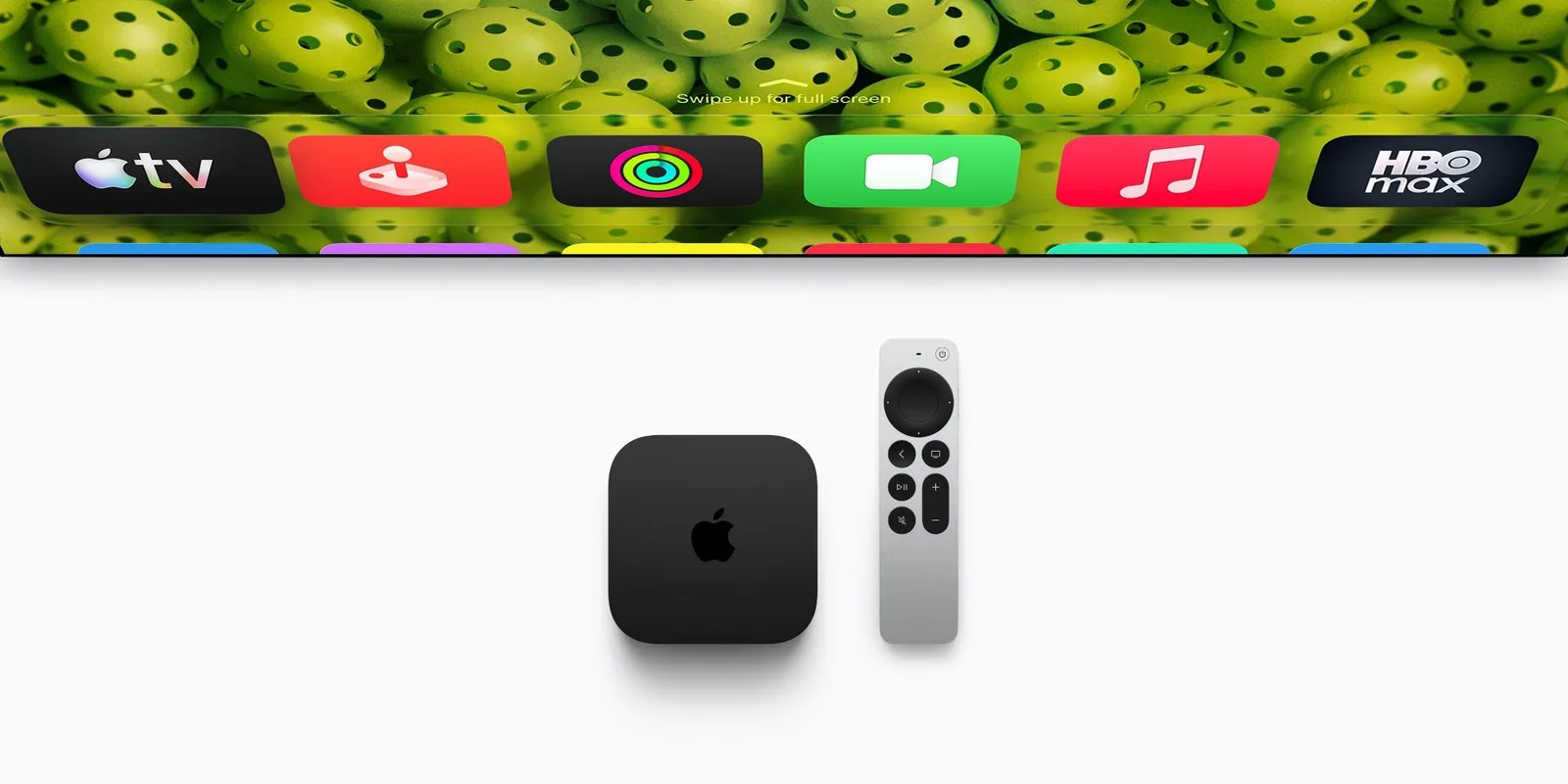
Apple has officially unveiled its latest hardware additions, the Apple TV 4K and the HomeView device, but the excitement is quickly being tempered by logistical realities. According to recent reports, pre-order shipping times for these newly announced products are already slipping into late November for new orders. This delay is significant because the official launch date was set for November 13, meaning early adopters may have to wait an additional week or more to get their hands on the tech.
This situation highlights a recurring theme in the current consumer electronics landscape. Supply chain constraints are not just a historical artifact of the pandemic era. They remain a persistent challenge for major manufacturers trying to scale production of new, complex devices. The fact that these delays are appearing so quickly after the announcement suggests that demand may have outpaced initial production forecasts.
The Apple TV 4K is not just a media player anymore. It is becoming a central hub for smart home integration and local AI processing. With enhanced neural engine capabilities, it can handle more sophisticated on-device machine learning tasks. This shift from simple streaming to intelligent home management requires more robust hardware components. Those components are often the first to face scarcity during high-volume production ramps.
Similarly, the HomeView device represents Apple's push into the spatial computing and home automation space. It relies on advanced sensors and cameras to interpret the physical environment. The integration of computer vision and real-time data processing demands precise manufacturing. Any bottleneck in the supply of these specialized sensors can ripple through the entire production line. This explains why even minor delays can push shipping dates back by weeks.
For AI enthusiasts and professionals, this delay offers a subtle but important lesson. The hardware layer is the foundation for all AI applications. When hardware supply chains tighten, it affects the availability of the tools we use to build and deploy AI models. It also signals that the market for edge AI devices is heating up. Companies are racing to bring intelligent hardware to consumers, and the competition for components is fierce.
The broader implication here is that the era of instant availability for cutting-edge tech is over. Consumers and businesses alike need to plan for longer lead times. This is especially true for devices that combine multiple advanced technologies like AI, connectivity, and high-performance computing. The delay is not necessarily a sign of poor planning. It is a reflection of the complexity involved in bringing these innovations to market at scale.
What this means for you: If you are planning to integrate new Apple hardware into your workflow or smart home setup, do not assume you will get it on day one. Consider the delay as a buffer in your project timeline. To stay ahead, you can use an AI assistant to analyze your current tech stack and identify which tools can be optimized or replaced while you wait. Try this prompt: "Review my current smart home and media setup. Suggest three software-based optimizations I can implement now to improve efficiency while waiting for new hardware to arrive in late November." This approach turns a logistical delay into an opportunity for immediate workflow improvement.
Ready to apply this tech at your business?
Viking Net helps teams in San Antonio and worldwide stay ahead.