Amazon devices chief Panos Panay sees a future where AI devices replace the need to use apps
By the AIdeaFlow Team
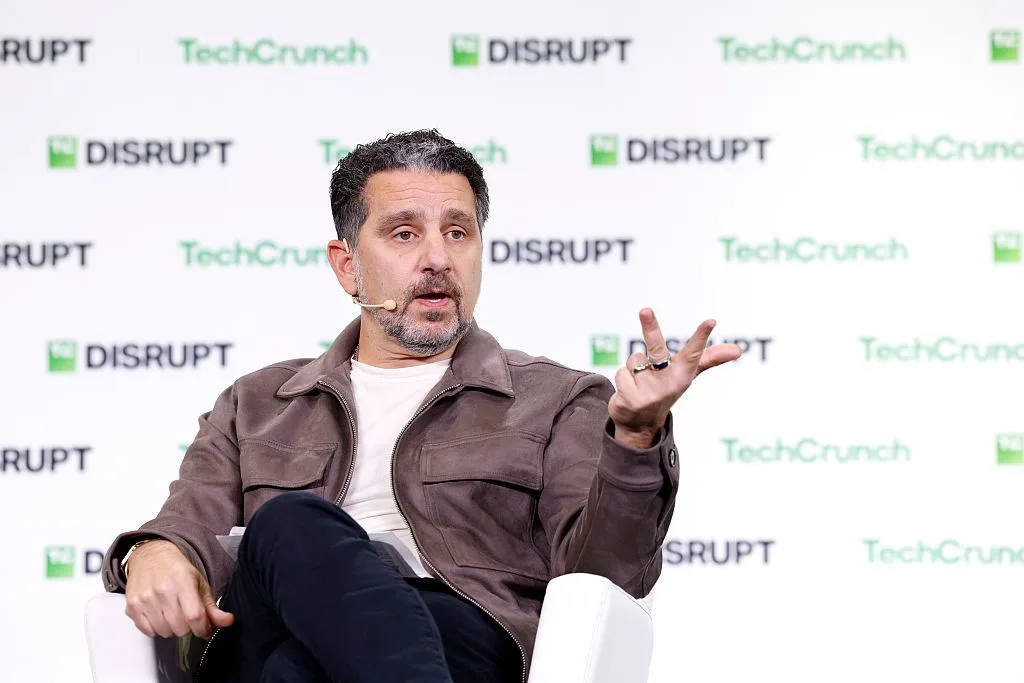
The way we interact with technology is about to undergo a fundamental shift. At TechCrunch Disrupt, Panos Panay, the chief of Amazon devices, painted a picture of a future where the friction of opening apps disappears entirely. He described an environment where ambient AI devices work quietly in the background, anticipating your needs before you even realize you have them. This is not just a minor upgrade to voice assistants. It is a complete reimagining of the user interface.
For years, the dominant model has been reactive. You open an app, navigate through menus, and issue a command. Panay argues that this model is inefficient and outdated. He envisions a world where the device understands context and intent. Instead of waiting for you to type a query, the system proactively offers solutions. This moves us from a command-based interface to a prediction-based one. The goal is to make technology feel less like a tool and more like an intuitive partner.
This vision aligns with broader trends in artificial intelligence. We are seeing a move toward more autonomous agents that can execute complex tasks. These agents do not just retrieve information. They act on it. For example, an AI might notice your calendar is full and automatically reschedule a meeting. It could order groceries based on your consumption patterns without a specific request. This level of autonomy requires deep integration between hardware and software. It demands a level of trust from users that we have not yet fully established.
The implications for developers and entrepreneurs are significant. If apps become less necessary, the traditional app store model could face disruption. Developers will need to focus on creating seamless, background experiences rather than standalone applications. This means prioritizing interoperability and data sharing between services. The value proposition shifts from owning the user interface to providing superior underlying intelligence. Companies that fail to adapt may find their platforms rendered obsolete by more fluid alternatives.
However, this future also raises serious privacy concerns. For an AI to anticipate your needs, it must constantly monitor your behavior, location, and preferences. This creates a vast amount of sensitive data. Users will need to decide how much visibility they are willing to grant to these systems. The balance between convenience and privacy will be a critical factor in adoption. Companies that prioritize transparency and user control will likely win the trust of the market.
What this means for you is that the days of manual task management are numbered. As these technologies mature, you will spend less time navigating interfaces and more time enjoying the results. To prepare, start experimenting with AI tools that offer proactive features. Try using an AI assistant to manage your daily schedule. Ask it to review your calendar and suggest optimal times for deep work. This simple workflow can help you get used to the idea of AI acting on your behalf rather than just responding to your commands.
Ready to apply this tech at your business?
Viking Net helps teams in San Antonio and worldwide stay ahead.