The cultural narrative surrounding technology is undergoing a profound transformation. For years, Hollywood treated Silicon Valley founders as modern-day wizards or misunderstood geniuses. Now, the scripts have flipped. According to The Verge, 2026 is seeing an unusual surge in films that critically examine how these tech giants are reshaping our reality. This is not just a trend. It is a symptom of a deeper societal anxiety about the tools we have built.
Aaron Sorkin’s upcoming film The Social Reckoning offers a stark example of this shift. The movie frames Mark Zuckerberg not as a visionary, but as a robotic villain. His ambitions are portrayed as forces destabilizing society rather than connecting it. This characterization moves beyond simple criticism of business practices. It suggests a fundamental moral failure in the design of social platforms.
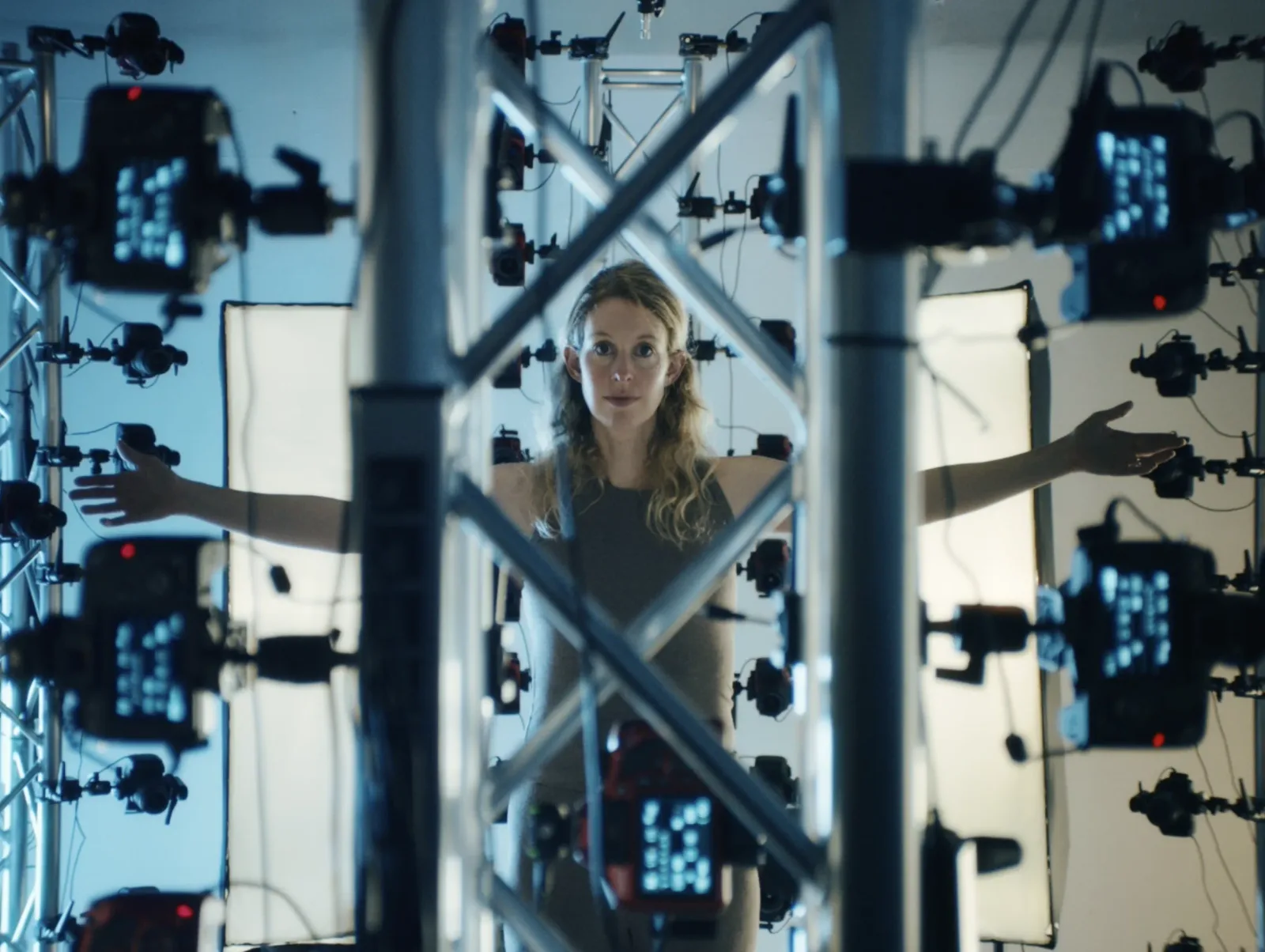
Similarly, the portrayal of Elizabeth Holmes in You Can See Everything is damning. Nathan Fielder and Lance Oppenheim depict her preparing for prison time. The film strips away the myth of the visionary founder to reveal the human cost of deception. It serves as a cautionary tale about the dangers of hype in the health tech sector. The audience is no longer asked to cheer for the underdog. They are asked to witness the consequences of broken promises.
The shift is also evident in the coverage of Elon Musk. Alex Gibney’s documentary projects highlight a changing narrative around one of the most polarizing figures in tech. The focus has moved from his achievements to the broader implications of his influence. This reflects a growing public skepticism toward unchecked technological power. The era of blind admiration is clearly over.
This cinematic trend mirrors the real-world debates about artificial intelligence. As AI becomes more integrated into daily life, people are questioning its ethical implications. The films are not just entertainment. They are cultural barometers. They show that the public is no longer willing to accept technological progress without scrutiny. The backlash is no longer confined to tech blogs. It is now in theaters.
For professionals in the AI space, this shift is significant. It means that trust is harder to earn and easier to lose. Companies must be transparent about their algorithms and data practices. The era of black box innovation is ending. Audiences want to know who is responsible for the technology they use. Silence is no longer a viable strategy for maintaining public support.
What this means for you is that you must be prepared to explain the why behind your AI tools. Stakeholders are asking harder questions about bias, privacy, and impact. You should adopt a proactive stance on ethical AI. Start by auditing your current workflows for potential risks. Then, communicate those safeguards clearly to your team and clients. This builds trust and aligns your work with the new cultural expectations. Try using this prompt with your AI assistant to audit your current projects: Analyze my current AI workflow for potential ethical risks regarding data privacy and bias. List three specific mitigation strategies I can implement immediately to increase transparency and trust with my stakeholders.
Ready to apply this tech at your business?
Viking Net helps teams in San Antonio and worldwide stay ahead.