Apple Mac mini review: The new M6 impresses, but the price hike is rough
By the AIdeaFlow Team
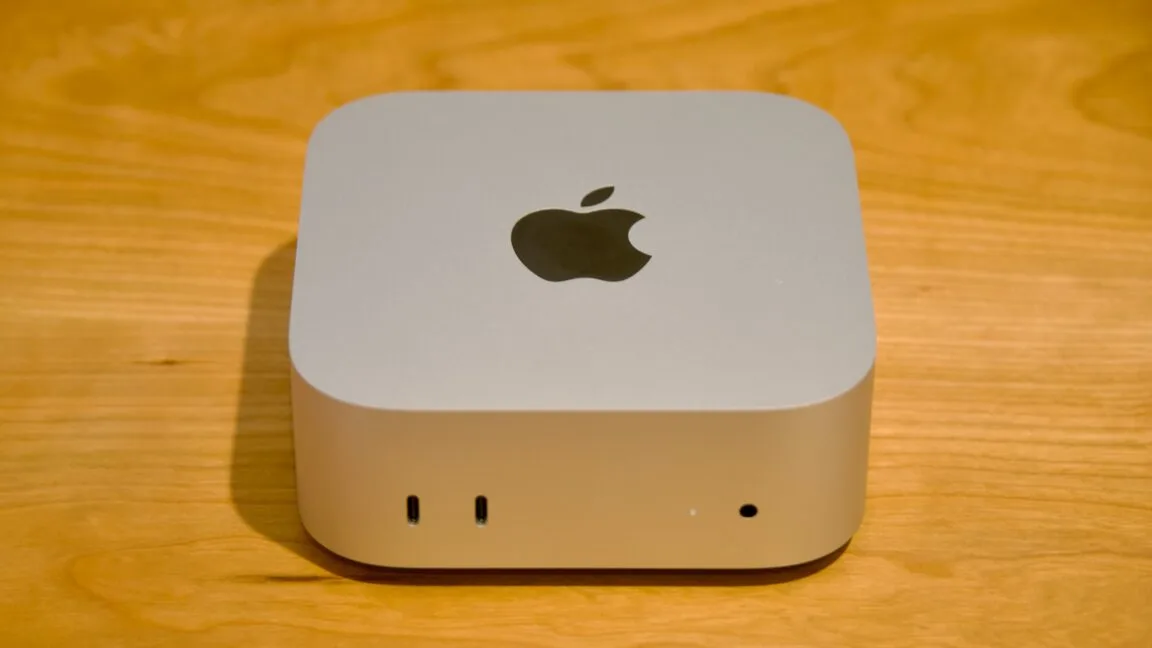
Apple has released the new M6 Mac mini, and if you are looking for a sleek new chassis, you will be disappointed. The design remains exactly the same as its predecessors, offering that familiar minimalist aesthetic that has defined the line for years. However, the internal upgrades are significant, bringing a substantial boost in processing power to this compact desktop. It is the kind of iterative update we have seen countless times before, where the exterior stays static while the engine gets a major overhaul.
According to TechCrunch, the real story here is not the silicon but the wallet impact. The new model starts at $899 for a configuration with 16GB of RAM and 256GB of storage. This represents a staggering $300 increase over the $599 M4 Mac mini that was available in 2024 for the exact same memory and storage specs. For years, Apple’s value proposition was that you could get a year or two of technological improvements for the same price as the older version. That era appears to be over.
This price hike is not an isolated incident but a symptom of a much larger economic shift in the tech industry. We are currently facing an unprecedented memory crunch that is driving up the cost of components across the board. Apple is passing these increased manufacturing costs directly to consumers, which fundamentally changes the calculus for anyone building a home lab or a small business server. The standard operating procedure of getting more for less is no longer guaranteed.
For AI enthusiasts and developers, this is a critical pivot point. The M6 chip is undoubtedly impressive and capable of handling local large language models and complex data pipelines with ease. But the entry price now forces a difficult conversation about whether the performance jump justifies the extra cost. If you are already on an M1 or M2 Mac, the upgrade path looks less attractive than it did just a year ago. The value proposition has shifted from obvious to optional.
This trend likely extends beyond just Apple. As memory costs remain high, we may see a broader industry-wide adjustment in pricing for consumer-grade AI hardware. The dream of affordable, powerful local AI inference on consumer devices is becoming more expensive to realize. Companies that relied on cheap hardware to experiment with AI workflows may need to reconsider their strategies or look toward cloud-based alternatives for heavy lifting.
What this means for you is that you need to be more strategic about your hardware investments. If you are buying new, consider whether the M6’s speed is necessary for your specific AI tasks or if a refurbished older model with more RAM might be a smarter bet. The raw power is there, but the cost barrier is now a significant filter for entry.
Try this workflow to optimize your current setup before buying new. Use an AI coding assistant to profile your local models and identify bottlenecks. You might find that optimizing your prompt structure or using a smaller, quantized model gives you the performance boost you need without the hardware upgrade. Here is a prompt to get started: Analyze my current local LLM inference setup and suggest three specific optimizations to reduce memory usage and improve response time without upgrading my hardware.
The M6 Mac mini is a powerful machine, but it is no longer the budget king it once was. Apple has raised the floor, and that changes how we think about building personal AI workstations. The technology is better, but the economics are tougher. You have to weigh the raw speed against the new reality of higher component costs.
Ready to apply this tech at your business?
Viking Net helps teams in San Antonio and worldwide stay ahead.