Strava announces coach-designed strength workouts with live set and rep tracking
By the AIdeaFlow Team
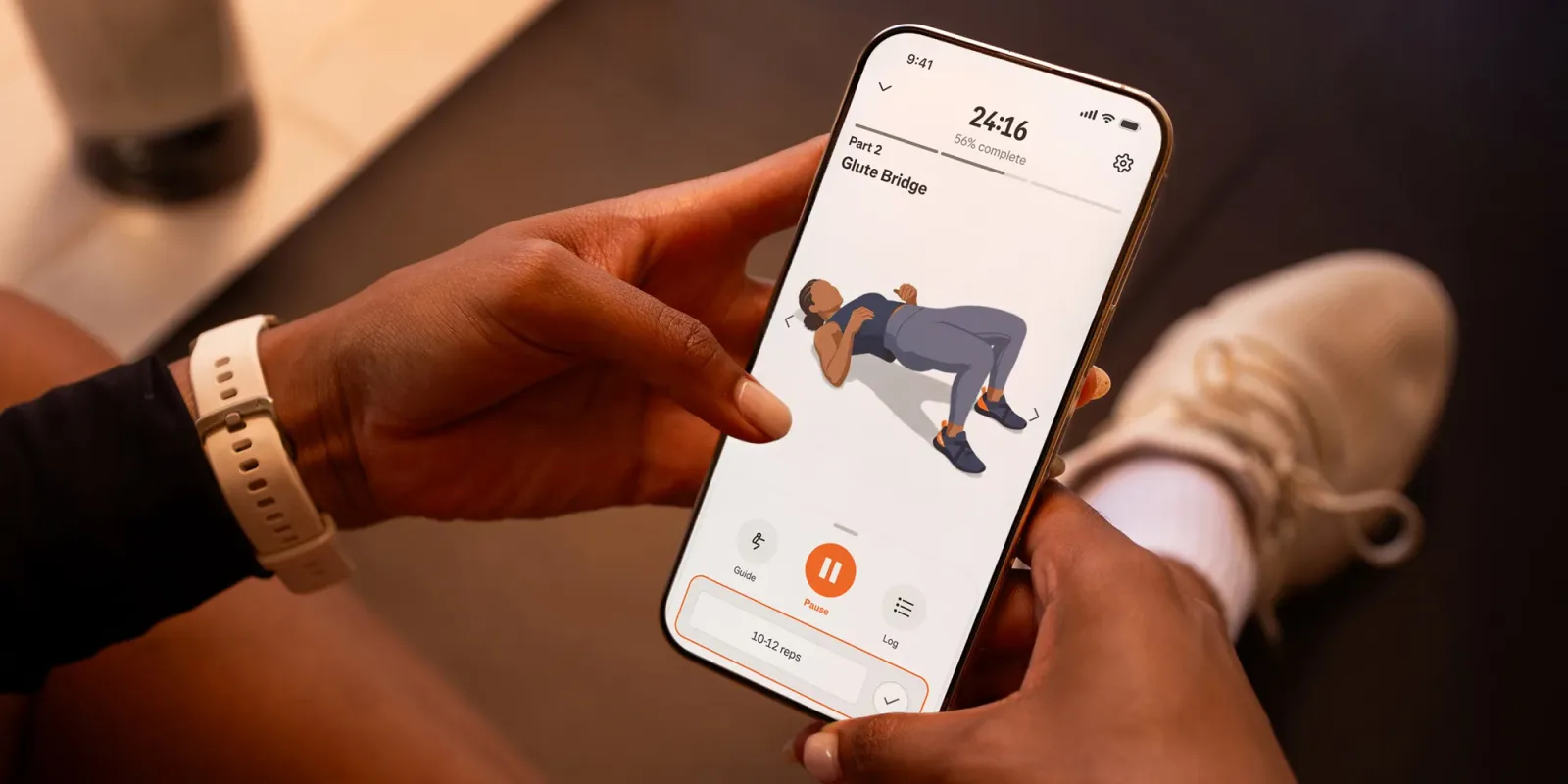
Strava has long been the undisputed king of endurance sports, dominating the narrative around running, cycling, and swimming. However, the platform has always felt somewhat incomplete for athletes who prioritize resistance training. That dynamic is shifting significantly with their latest announcement regarding coach-designed strength workouts. This move signals a strategic pivot toward a more holistic view of athletic performance rather than just cardiovascular output.
According to the initial reports, the new feature set includes guided workouts that are explicitly designed by coaches. This is a crucial distinction from generic templates. It implies a layer of professional expertise is being baked directly into the user experience. Users will no longer have to guess how to structure their lifting sessions or worry about improper progression.
The most technically interesting aspect here is the live set and rep tracking capability. This moves beyond simple post-workout logging. It requires real-time data ingestion and immediate feedback loops. For an app built on social sharing and historical data, adding real-time interaction is a significant engineering challenge. It suggests Strava is investing heavily in mobile interface optimization for complex input scenarios.
From an AI perspective, this data richness is a goldmine. When Strava combines historical strength data with guided workout adherence, they can begin to model individual recovery patterns and performance plateaus. This is the foundation for predictive analytics that go far beyond simple distance or pace metrics. The potential for personalized coaching algorithms is suddenly much more viable.
This expansion also addresses a major pain point for hybrid athletes. Many users run and lift simultaneously but struggle to find a unified platform. By bringing structured strength training into the Strava ecosystem, they reduce friction for these users. It keeps engagement high by eliminating the need to switch between multiple apps for different types of training data.
The integration of coach-designed content also opens new revenue streams. While the core tracking may remain free, premium access to specialized coaching plans could drive subscription growth. This aligns with broader trends in fitness tech where personalized guidance is becoming a primary value proposition for users willing to pay for expertise.
What this means for you: If you use AI assistants to plan your training, you can now leverage structured data more effectively. Try using this prompt to analyze your own workout logs: "Review my recent strength training entries and suggest three adjustments to improve volume or intensity based on progressive overload principles." This helps you apply professional coaching logic to your personal data without needing a human coach immediately.
Ready to apply this tech at your business?
Viking Net helps teams in San Antonio and worldwide stay ahead.