Meta and Apple team up to make Muse AI models run better on Macs
By the AIdeaFlow Team
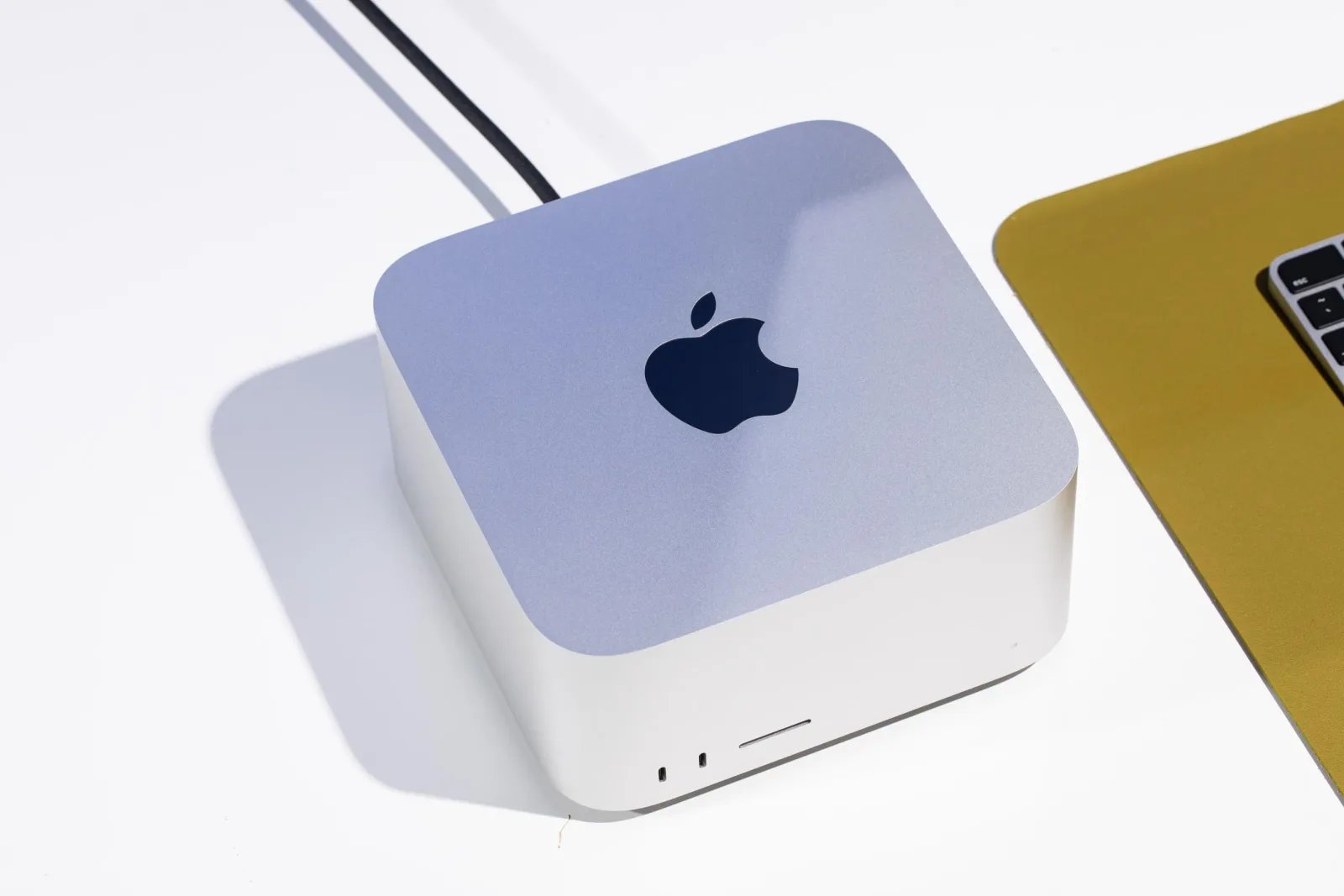
Meta and Apple have officially teamed up to bring the Muse Spark Open AI model to the desktop, marking a significant moment for local AI deployment. According to The Verge, this collaboration allows the model to run on two Apple M5 Ultra Mac Studios using the MLX framework. It is a surprising alliance between two tech giants that have historically been fierce competitors in the consumer hardware and software space.
Meta CEO Mark Zuckerberg took to X to highlight the achievement, calling Muse Spark the most capable US open-weight model to date. He specifically credited the work with John Ternus and the Apple team for enabling the model to run smoothly on the new Mac Studios. This public endorsement from Zuckerberg underscores the strategic importance of hardware optimization for open-source AI initiatives.
Apple CEO John Ternus responded with equal enthusiasm, noting how amazing it is to run a model of this scale on Apple silicon. The joint announcement suggests that both companies see value in pushing the boundaries of what consumer-grade hardware can handle for complex AI tasks. This is not just a technical feat but a statement about the future of decentralized computing power.
The use of the MLX framework is particularly noteworthy here. MLX is Apple’s custom machine learning framework designed to leverage the unique architecture of its chips. By optimizing Muse Spark for MLX, Meta is ensuring that users can access high-performance AI without relying solely on cloud infrastructure. This reduces latency and enhances privacy for users who prefer local processing.
Running such a powerful model on two M5 Ultra Mac Studios is a bold claim. It implies that the barrier to entry for running large language models is lowering, even if the hardware cost remains high. This approach could set a new standard for how open-weight models are distributed and utilized. It moves the conversation from pure cloud dependency to hybrid or fully local solutions.
This partnership also highlights the growing importance of open-weight models in the AI ecosystem. By releasing Muse Spark as open-weight, Meta allows developers and researchers to experiment with the model in ways that closed APIs do not permit. The collaboration with Apple ensures that these experiments can happen on robust, reliable hardware that many professionals already own or can afford.
The implications for developers and AI enthusiasts are profound. We are moving toward an era where high-end consumer devices can handle tasks that previously required data center resources. This democratization of AI power could lead to a surge in innovation from smaller teams and individual creators who no longer need to burn through cloud credits.
What this means for you: If you have access to high-end Apple hardware, you are now in a prime position to experiment with cutting-edge AI models locally. You can reduce your reliance on cloud services and gain more control over your data. Try this workflow: Use the MLX framework to load Muse Spark on your M-series Mac, then prompt it to summarize complex documents or generate code snippets. This allows you to test the model's capabilities in a private, offline environment before considering cloud alternatives.
Ready to apply this tech at your business?
Viking Net helps teams in San Antonio and worldwide stay ahead.