AI-Generated Hot Girls Are Ripping Off Comedians to Boost Their Horny Content
By the AIdeaFlow Team
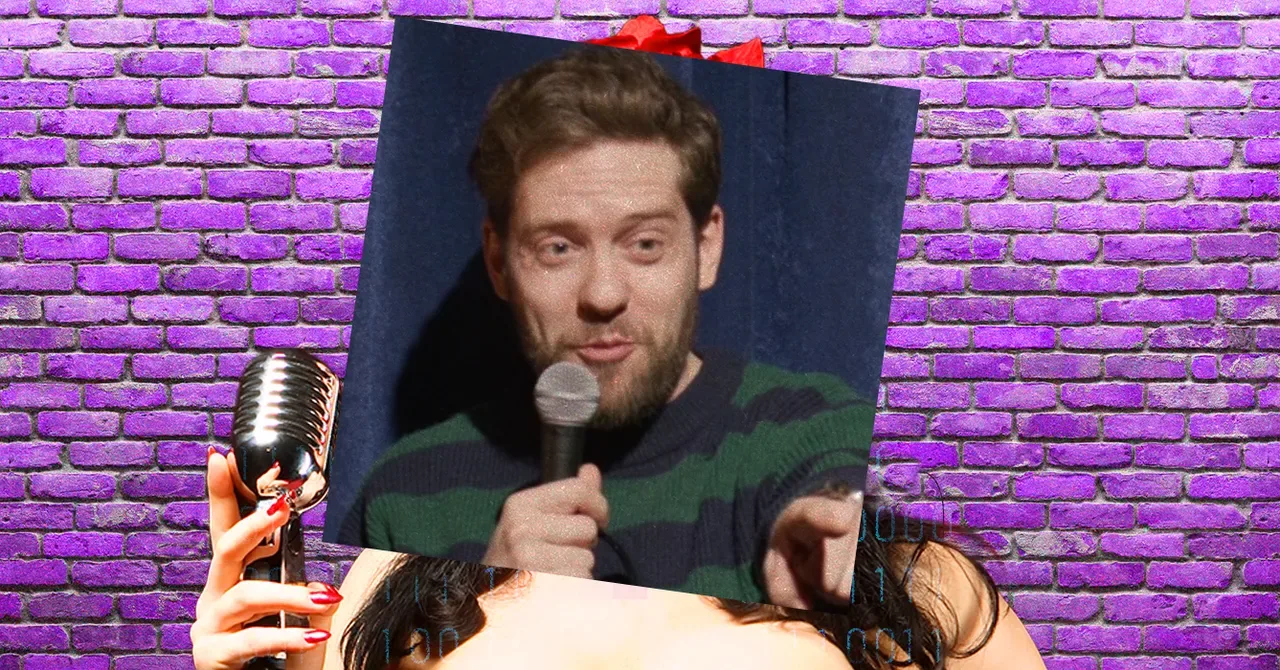
A disturbing new trend is emerging at the intersection of generative AI and the creator economy. According to recent reporting, a network of AI-generated models is systematically stealing comedic material to boost their visibility on adult content platforms like OnlyFans and Fanvue. These synthetic personas are not just mimicking human influencers; they are actively mining stand-up routines and social media posts for viral hooks.
The mechanism is straightforward yet devastating for original creators. The AI models use the punchlines and storytelling structures of comedians to create engaging captions and video scripts. This content is then used to funnel viewers toward subscription-based adult sites. The comedians see their intellectual property repurposed without consent, credit, or compensation, often by entities that are entirely fictional.
This situation represents a significant escalation in digital content theft. Unlike traditional plagiarism where a human might copy text, this involves automated systems that can scale the theft across thousands of profiles instantly. The volume of stolen material is overwhelming, making it nearly impossible for individual comedians to monitor every instance of their work being used by these AI avatars.
The legal landscape offers little immediate relief. Current copyright laws were not designed to handle the rapid, automated scraping of creative works by non-human entities. Comedians often find themselves in a legal gray area where proving damages and identifying the responsible parties is difficult. The anonymity of the internet further complicates efforts to hold these operators accountable for their actions.
From an industry perspective, this highlights a critical vulnerability in the current AI infrastructure. The ease with which generative models can be fine-tuned to mimic specific styles or scrape existing content creates a moral hazard. It encourages bad actors to prioritize engagement metrics over ethical considerations, treating human creativity as raw data to be mined for profit.
We are likely to see increased pressure on platforms to implement more robust content provenance standards. Technologies like C2PA or similar watermarking systems may become essential for verifying the origin of digital media. Without such tools, the line between human-created and AI-generated content will continue to blur, making it harder for creators to protect their livelihoods.
What this means for you: If you are a content creator, you must assume your work is already being scraped by AI models. Start documenting your original posts with timestamps and metadata. Consider using AI detection tools to monitor your brand presence. You can also try this prompt to help identify potential misuse: "Analyze this text for unique phrasing and suggest ways to watermark it digitally to prove original authorship." Stay vigilant and protect your digital assets proactively.
Ready to apply this tech at your business?
Viking Net helps teams in San Antonio and worldwide stay ahead.