Egypt’s Climate-Resilient ‘Super Corals’ Are Starting to Feel the Heat
By the AIdeaFlow Team
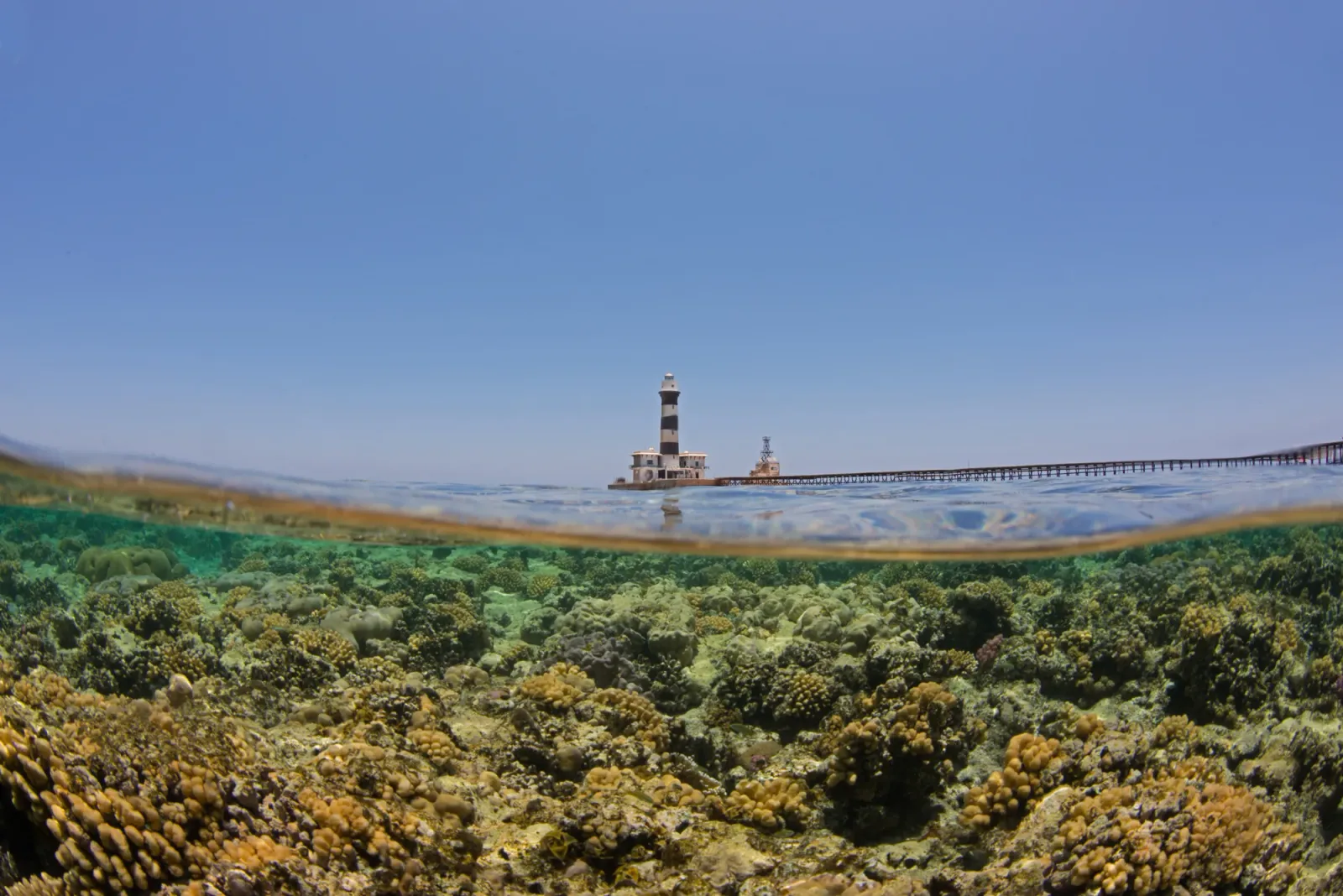
The Red Sea is home to some of the most resilient coral ecosystems on the planet. For years, scientists have been baffled by why these reefs rarely suffer from the mass bleaching events that are decimating coral populations worldwide. This immunity was not just a local curiosity but a potential blueprint for saving marine life in a warming world.
According to recent reporting, the scientific community is still debating the exact reasons behind this hardiness. Some theories point to the unique salinity levels of the Red Sea. Others suggest that the corals have adapted to extreme temperature fluctuations over millennia. The lack of consensus makes it difficult to predict how they will fare as conditions change.
However, the news is not entirely positive. Climate change is now starting to take a tangible toll on these super corals. The heat stress that once seemed manageable is becoming more frequent and intense. This shift means that the natural defenses that have protected these reefs for so long may no longer be sufficient.
The implications for global conservation are significant. If we can identify the specific genetic or environmental factors that make Red Sea corals so tough, we might be able to apply those insights elsewhere. This could involve selective breeding programs or assisted evolution techniques to bolster other vulnerable reefs.
For AI enthusiasts and tech professionals, this story highlights the growing intersection of biology and data science. Advanced modeling and machine learning can help analyze the complex variables affecting coral health. By processing vast amounts of environmental data, we can better predict which reefs are at risk and why.
The urgency here is real. As the Red Sea corals begin to feel the heat, the window to act is closing. We need to move from observation to intervention quickly. The data we collect now will determine whether these ecosystems can adapt or if they will collapse under the pressure.
What this means for you: If you work with data or AI, consider how you can apply predictive modeling to environmental challenges. You can start by exploring open-source datasets on ocean temperatures and coral health. Try using an AI assistant to analyze trends in marine biology reports and identify key stress factors. Here is a prompt you can use: "Analyze recent marine biology studies on Red Sea coral resilience and summarize the top three environmental stressors identified in the last five years."
This approach not only helps you stay informed but also contributes to a broader understanding of how technology can support ecological preservation. The lessons from the Red Sea could very well shape the future of our oceans.
Ready to apply this tech at your business?
Viking Net helps teams in San Antonio and worldwide stay ahead.