Katie Zacharia Was Linked to an AI Rare-Earths Startup. It’s Even Weirder Than It Sounds
By the AIdeaFlow Team
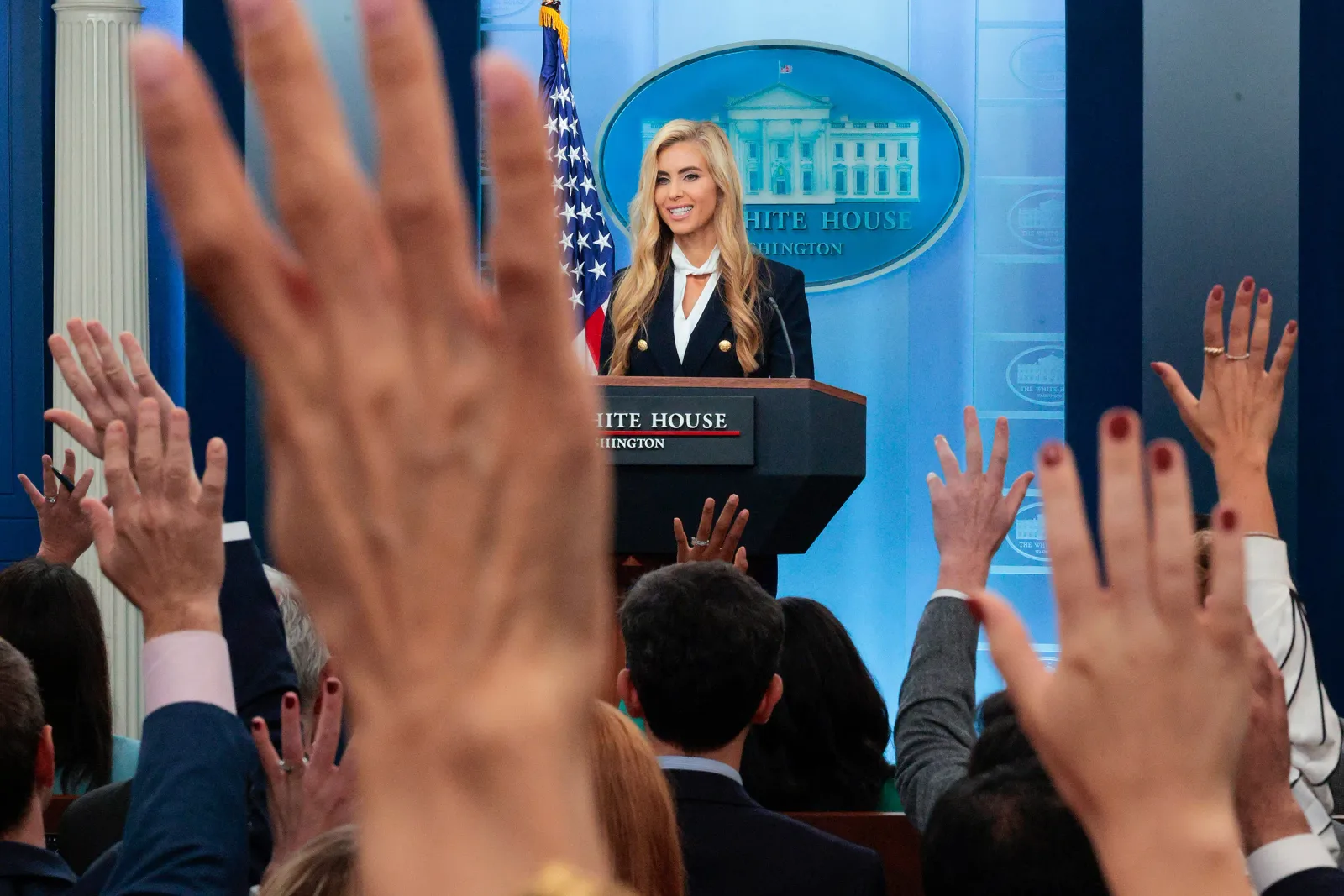
The intersection of artificial intelligence and politics has taken a turn that is equal parts confusing and revealing. According to recent reporting, Katie Zacharia, who served as a short-lived White House press secretary, was officially listed as an adviser to a startup focused on using AI for rare earths mining. The company in question also has ties to South Dakota Governor Kristi Noem, adding another layer of political complexity to the situation.
What makes this story particularly strange is the immediate and firm denial from both sides. Zacharia has stated she never worked for the company, and the startup itself has confirmed that she was never an adviser. This creates a strange disconnect between official corporate filings or public listings and the actual reality of employment or advisory roles. It suggests a potential administrative error or a very loose definition of what constitutes an advisory role.
This incident highlights a broader trend in the AI industry where titles and affiliations are often used for credibility rather than actual work. Startups frequently list prominent figures as advisers to attract investment or media attention, even if those individuals have minimal involvement. This practice can blur the lines for investors and the public who are trying to assess the genuine expertise behind a new technology.
The focus on rare earths mining is also significant. As the demand for AI hardware grows, so does the need for the specialized minerals required to build chips and batteries. Companies are increasingly turning to AI to optimize extraction processes, reduce environmental impact, and improve efficiency. This sector is becoming a critical battleground for technological innovation and resource security.
However, the political connections here raise questions about transparency and governance. When political figures are linked to private ventures, even indirectly, it can lead to perceptions of conflicts of interest or undue influence. The fact that both parties are denying the link so quickly suggests they are aware of the potential scrutiny and are moving to distance themselves from any negative associations.
For AI enthusiasts and professionals, this story serves as a reminder to look beyond the headlines and press releases. It is crucial to verify the actual roles and responsibilities of individuals associated with new technologies. The hype surrounding AI applications in traditional industries like mining can sometimes obscure the real technical challenges and the genuine expertise required to solve them.
What this means for you is that you should approach new AI tools and company announcements with a healthy dose of skepticism. Always dig deeper into the credentials of the people behind the technology. To help you vet AI startups or tools more effectively, try using this prompt with your AI assistant: "Analyze the public profiles and professional history of [Name] to identify any potential conflicts of interest or exaggerated claims regarding their involvement in [Company/Project]." This workflow can help you separate fact from fiction in a noisy market.
Ready to apply this tech at your business?
Viking Net helps teams in San Antonio and worldwide stay ahead.