Verizon confirms $10 monthly fee for new iPhone Handoff feature
By the AIdeaFlow Team
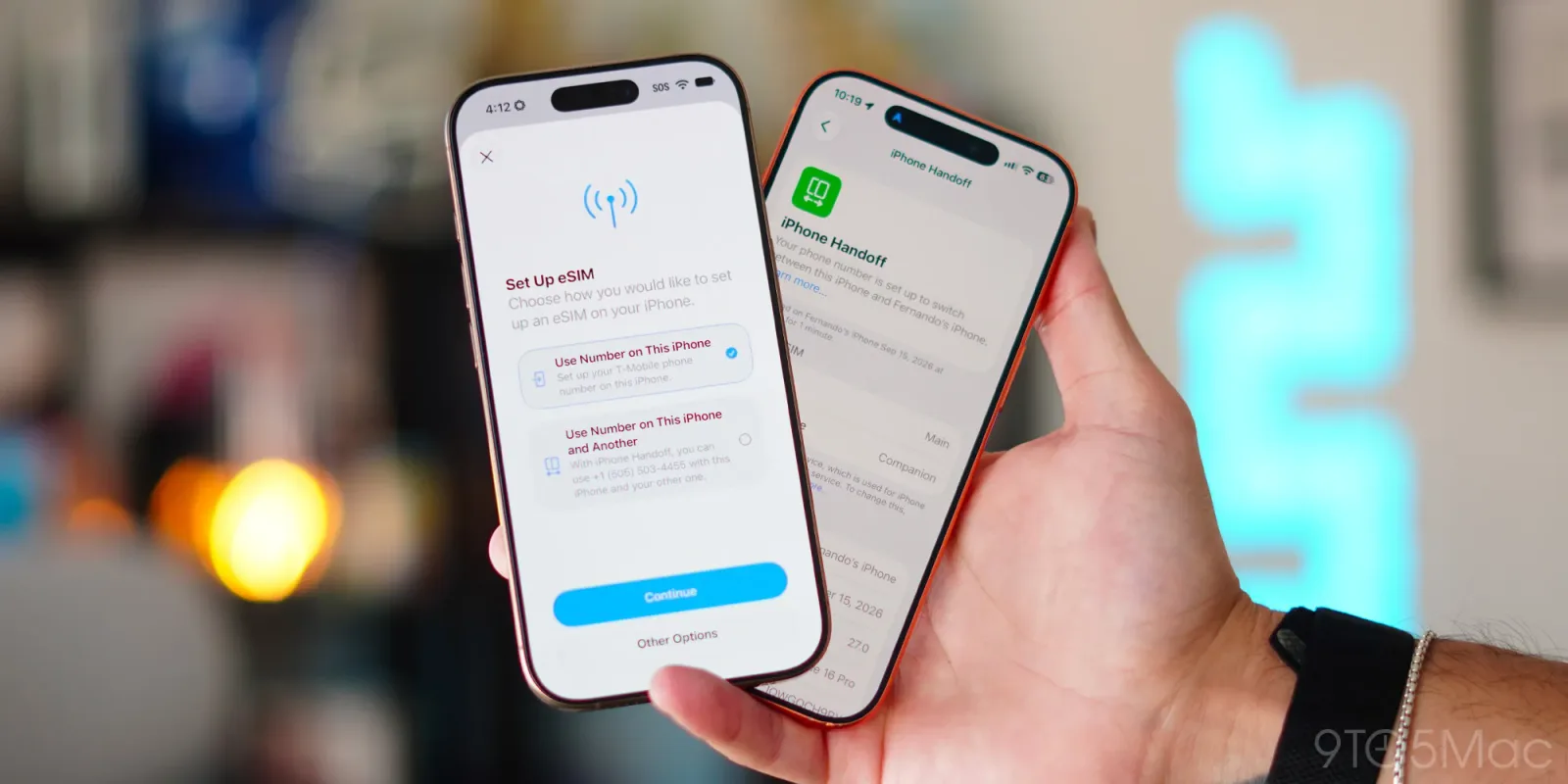
The landscape of mobile carrier services is shifting beneath our feet, and Verizon has just confirmed another piece of the puzzle. According to recent reports, the telecom giant will charge customers a ten dollar monthly fee to access Apple's new iPhone Handoff feature. This announcement places Verizon in the same camp as T-Mobile and Deutsche Telekom, who have already laid out similar pricing structures for this specific capability.
It is important to understand what this feature actually entails before we dive into the financial implications. iPhone Handoff allows users to seamlessly transition tasks between their Apple devices. You might start an email on your phone and finish it on your Mac, or copy text on one device and paste it on another. It is a convenience feature designed to create a more cohesive ecosystem for Apple users who own multiple devices.
However, the decision to monetize this feature is significant. Historically, these types of interoperability features were bundled into the cost of the device or the service plan. By isolating Handoff and attaching a recurring fee, carriers are testing the waters of subscription-based hardware utilities. This is a bold move that could reshape how we view the value proposition of our monthly bills.
The broader context here involves the ongoing tension between device manufacturers and network providers. Apple wants to lock users into its ecosystem through seamless integration. Carriers want to increase their average revenue per user through additional services. This ten dollar fee is a compromise that allows carriers to profit from Apple's software innovations while giving users a choice to opt out if they do not find the feature essential.
From an analytical perspective, this raises several questions about consumer behavior. Will the majority of iPhone users pay an extra ten dollars a month for convenience? Or will they view this as an unnecessary tax on their existing hardware? The answer will likely vary based on how heavily users rely on cross-device workflows. For power users, the time saved might justify the cost. For casual users, it might feel like a nickel and dime approach to service.
The ripple effects of this pricing model could extend beyond just Apple users. If this strategy proves successful for Verizon and its competitors, we might see other carriers adopt similar fees for different features. This could lead to a fragmented landscape where basic connectivity is standard, but advanced interoperability requires premium subscriptions. It is a trend worth watching closely as it develops.
What this means for you is that you need to evaluate your own workflow needs critically. If you frequently switch between your iPhone and Mac, the ten dollar fee might be a small price to pay for the efficiency gains. However, if you rarely use these features, you might want to wait and see if the market reacts negatively to this pricing. Consider trying a workflow where you manually sync tasks across devices to see if the convenience is truly worth the recurring cost before committing to the fee.
Ready to apply this tech at your business?
Viking Net helps teams in San Antonio and worldwide stay ahead.