A new report from Europe raises serious alarms about orbital collisions
By the AIdeaFlow Team
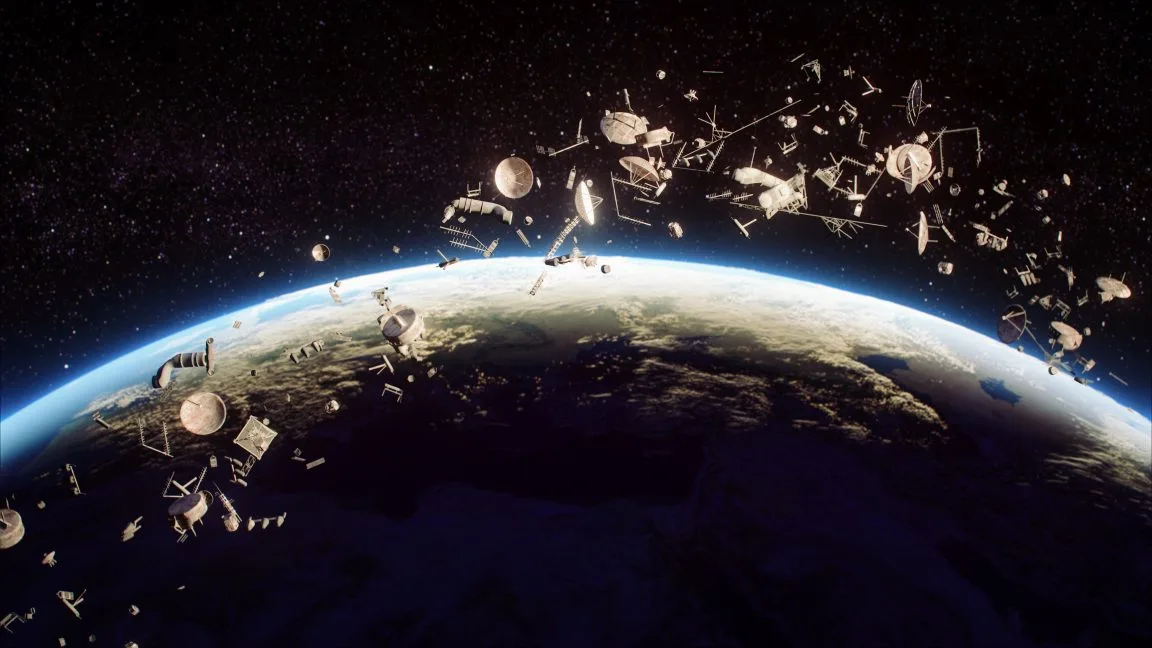
The 2013 sci-fi blockbuster Gravity did more than just win awards. It introduced a generation to the terrifying concept of the Kessler syndrome through a gripping narrative involving Sandra Bullock and George Clooney. While the film took creative liberties with the physics of space, its core premise remains scientifically grounded. The idea that a single collision could trigger a chain reaction of debris is no longer just a plot device. It is a documented reality according to a new report from Europe.
This concept was first proposed by NASA scientists Donald Kessler and Burton Cour-Palais nearly half a century ago. They theorized that a critical density of objects in low Earth orbit could cause collisions to generate more debris than the original objects. This would create a cascading effect, rendering orbits unusable for future generations. For decades, this remained a theoretical risk. Now, European analysts are raising serious alarms that we are approaching that tipping point.
The implications for our daily digital lives are profound. We rely on satellites for GPS, weather forecasting, and global communications. A cluttered orbit does not just threaten space missions. It threatens the backbone of modern global infrastructure. The report highlights that the current rate of satellite launches is accelerating this risk. We are filling the sky with metal at a pace that outstrips our ability to manage it.
This is where artificial intelligence becomes a critical tool for survival. We cannot manually track every piece of debris in real time. The volume of data is simply too vast for human operators. AI systems are now being deployed to predict collision courses with unprecedented accuracy. These algorithms analyze orbital mechanics to suggest avoidance maneuvers for active satellites. This proactive approach is the only way to prevent a Kessler scenario from becoming a permanent reality.
Entrepreneurs and tech leaders must view space sustainability as a core business risk. The companies launching the most satellites also bear the responsibility for their longevity. We need automated deorbiting protocols and better material science to reduce debris. The industry is moving toward a model where AI manages the orbital environment. This shift is not optional. It is a necessity for the continued expansion of the space economy.
The European report serves as a wake-up call for policymakers and investors. The window for preventive action is closing. We must integrate AI-driven traffic management into every new satellite mission. This includes designing satellites that can autonomously avoid collisions. It also means investing in ground-based sensors that feed data to these AI systems. The cost of inaction is far higher than the cost of prevention.
What this means for you: If you work with satellite data or space tech, you need to prioritize AI-driven risk assessment. Start by integrating predictive analytics into your workflow to monitor orbital congestion. Try this prompt with your AI assistant to draft a risk mitigation checklist for your next project: "Create a checklist for satellite operators to assess Kessler syndrome risks, focusing on AI-driven collision avoidance and end-of-life deorbiting protocols." This simple step can help you stay ahead of regulatory and technical challenges in the growing space sector.
Ready to apply this tech at your business?
Viking Net helps teams in San Antonio and worldwide stay ahead.