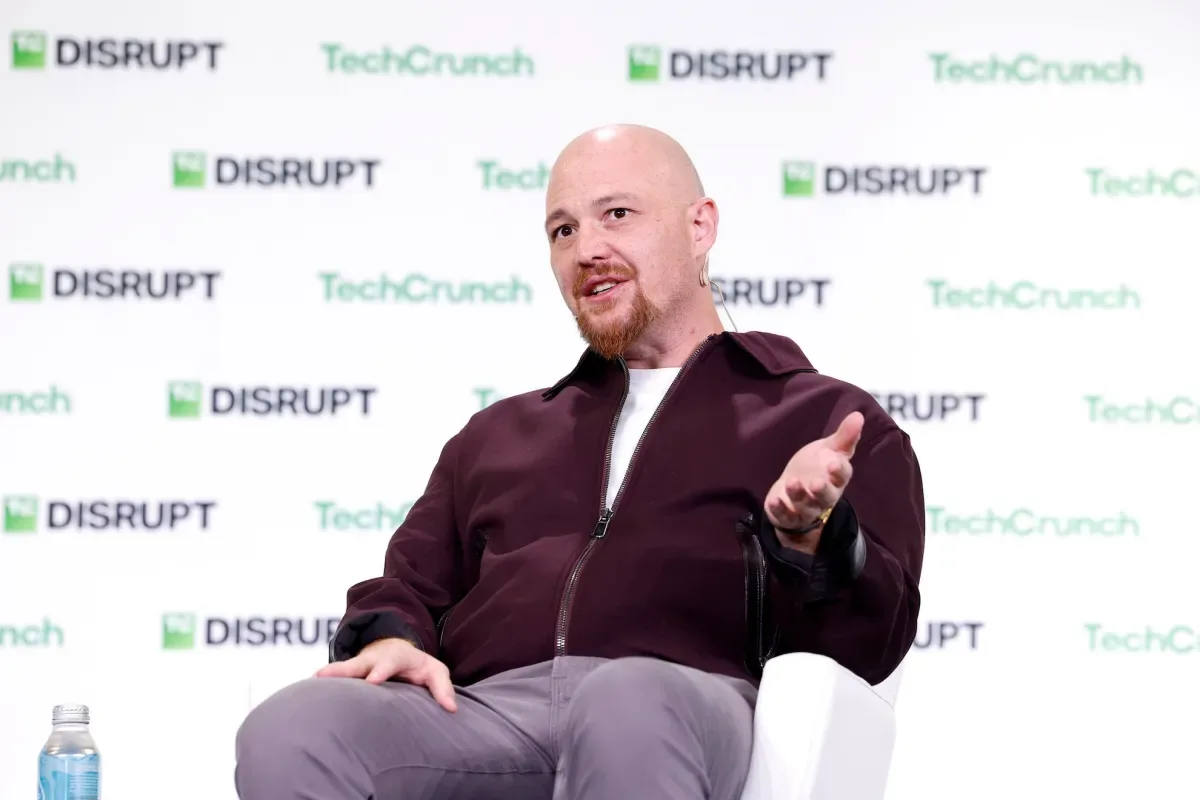
Replit has officially made OpenAI its default model provider, a significant shift that replaces Anthropic as the primary engine behind its coding assistant. According to reports clarified by CEO Amjad Masad over the weekend, this change positions OpenAI’s models at the forefront of the platform’s user experience. This decision marks a notable departure from previous partnerships and underscores the rapid realignment of the developer tooling landscape.
It is important to note that this does not mean Anthropic is gone from the platform entirely. Claude remains available to customers who prefer it, but the default setting now favors OpenAI. This subtle but powerful change in default options can significantly influence user behavior, as most developers tend to stick with the path of least resistance when writing code or debugging.
The move reflects a broader trend where AI infrastructure providers are competing not just on raw model performance, but on integration depth. By making OpenAI the default, Replit is betting on the widespread familiarity and robustness of OpenAI’s ecosystem among its user base. This strategy aims to reduce friction for new users while potentially increasing engagement with OpenAI’s specific API features.
For the broader AI industry, this signals that platform integrations are becoming a critical battleground. It is no longer enough to have a good model; the model must be seamlessly woven into the tools developers use daily. Replit’s choice suggests that they believe OpenAI’s current offerings provide a more cohesive experience for their specific use cases in web development and education.
This shift also highlights the volatility of partnerships in the AI space. Companies are constantly evaluating which provider offers the best balance of cost, speed, and capability. Replit’s decision to switch defaults demonstrates how quickly these relationships can evolve based on technical performance and strategic alignment. It serves as a reminder that no partnership is permanent in this fast-moving sector.
The implications for developers are subtle but meaningful. While they still have the choice to switch back to Claude, the default setting may nudge them toward OpenAI’s capabilities. This could influence how they structure their prompts and interact with the AI assistant. It also raises questions about how other platforms might follow suit in optimizing their default AI providers.
What this means for you: As a professional using AI tools, pay attention to default settings in your primary development environments. These defaults often reflect the most optimized or cost-effective configurations for the platform. You can test this by comparing the output quality of OpenAI versus Claude in your current workflow. Try using this prompt to evaluate which model better suits your specific coding tasks: "Analyze this code snippet for potential security vulnerabilities and suggest improvements using both OpenAI and Claude, then compare the clarity and accuracy of their explanations." This simple experiment can help you decide if sticking with the default is truly the best choice for your needs.
Ready to apply this tech at your business?
Viking Net helps teams in San Antonio and worldwide stay ahead.