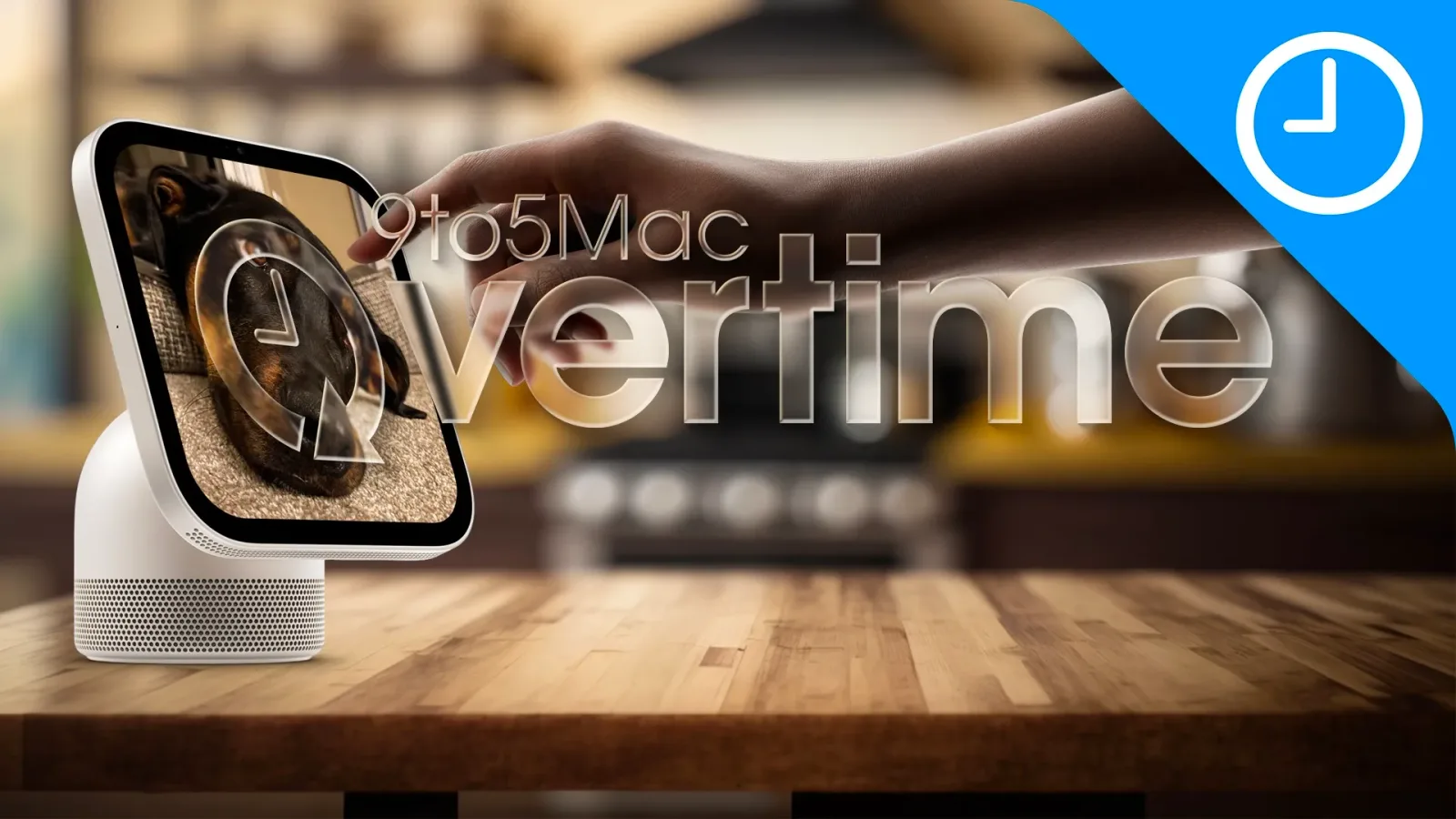
Apple is finally pulling the trigger on what many have considered its most neglected category. According to reporting from 9to5Mac, the company is launching a comprehensive smart home reboot. This is not just a minor refresh of existing products. It represents a strategic pivot toward a more integrated and intelligent home environment. The announcement includes several key hardware pieces that suggest a deeper commitment to this space.
The centerpiece of this new lineup is the Apple HomeView. Priced at $299, this device appears to be designed as a dedicated hub for home monitoring and control. Unlike previous attempts that relied on generic tablets, this hardware seems tailored specifically for the HomeKit ecosystem. It likely serves as a always-on display for status updates and camera feeds. This focus on dedicated hardware rather than repurposed consumer electronics is a notable shift in strategy.
Alongside the HomeView, Apple is introducing the second generation of the HomePod mini. While the original was a hit for its compact size and price, the new model likely brings improved processing power. This upgrade is crucial for handling more complex local AI tasks. Better on-device processing means faster response times for voice commands and enhanced privacy. Users can expect smarter automation capabilities that do not rely entirely on cloud connectivity.
The Apple TV 4K also receives an update in this cycle. This device is becoming the central command center for many smart homes. With the new HomeView and updated HomePod, the Apple TV acts as the visual and audio anchor. It bridges the gap between entertainment and home management. This integration allows for seamless control of lights, locks, and cameras from the living room screen.
Perhaps most interesting is the introduction of the Apple Home Collection. This lineup suggests a broader approach to smart home aesthetics and functionality. It implies that Apple is trying to make smart devices that fit into home decor rather than standing out as tech gadgets. This design-first approach could lower the barrier to entry for non-technical users. It signals that Apple wants smart homes to be invisible and intuitive.
This reboot comes at a critical time for the smart home industry. Competitors like Google and Amazon have dominated with affordable, fragmented devices. Apple’s strategy of high-quality, privacy-focused, and tightly integrated hardware offers a different value proposition. It appeals to users who prioritize security and ecosystem cohesion over sheer volume of compatible devices. The move challenges the notion that smart homes must be cheap and chaotic.
For AI enthusiasts, the real story here is the potential for on-device intelligence. With more powerful chips in the HomePod and HomeView, Apple can run local AI models for home automation. This reduces latency and keeps sensitive data within the home. It is a significant step toward truly private and responsive smart environments. The industry is watching to see if this hardware will drive software innovation.
What this means for you If you are building a smart home, this ecosystem is becoming more compelling for those who value privacy and design. You should consider how these devices can work together to create automated routines. Try using an AI assistant to draft a complex home automation routine. Ask it to create a scenario that uses the HomeView for display, the HomePod for audio cues, and the Apple TV for lighting control. This will help you visualize the potential of the new integrated system.
Ready to apply this tech at your business?
Viking Net helps teams in San Antonio and worldwide stay ahead.