Apple's next HomeView could debut as soon as next year with a robotic arm: report
By the AIdeaFlow Team
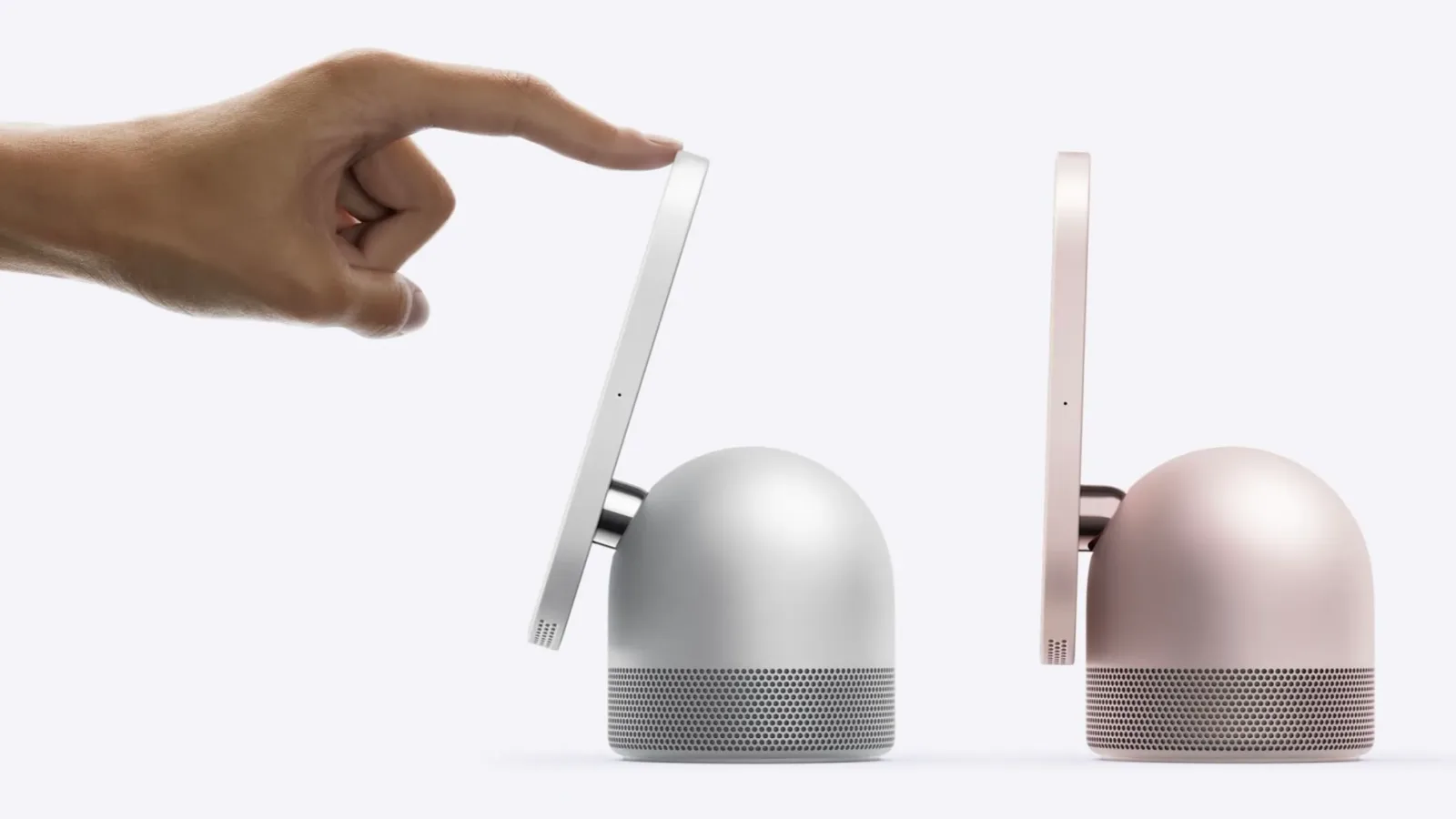
Apple has finally entered the smart home display market with the HomeView, a device that promises to be the central hub for your connected living space. Priced at $299, it arrives after years of development delays tied to Siri’s evolving intelligence. The hardware is sleek and the software integration is deep, but early adopters are already pointing out a significant physical limitation that software alone cannot fix.
According to reporting by the Power On newsletter, Apple is already working on a solution to a specific user experience friction point. The core issue is simple but impactful. When placed on a table surrounded by family or friends, the HomeView requires manual rotation to face different people. This breaks the flow of conversation and feels increasingly outdated in an era of seamless interaction.
The report suggests that Apple is developing a version of the HomeView equipped with a robotic arm. This would allow the device to autonomously pivot and track users within a room. It transforms the display from a static object into an active participant in your daily life. This move aligns with Apple’s broader strategy of making AI feel invisible yet indispensable.
This potential hardware evolution highlights a critical shift in how we view smart displays. They are no longer just screens for checking the weather or controlling lights. They are becoming social interfaces that need to understand spatial dynamics. A robotic arm allows the device to maintain eye contact and engagement, which is crucial for voice assistants and video calls.
From an industry perspective, this mirrors trends seen in robotics and advanced AI agents. Companies are moving beyond simple command and response models toward proactive assistance. The ability to physically orient itself toward the user is a tangible manifestation of contextual awareness. It suggests Apple is treating the HomeView as a platform for future AI capabilities rather than just a static widget hub.
The delay in Siri’s development likely forced this initial launch with a fixed form factor. However, the rapid pivot to a robotic solution indicates that Apple views this limitation as temporary. They are betting that the value of a responsive, physically adaptive device will justify the added complexity and cost. This is a bold move for a company that typically prioritizes simplicity over mechanical novelty.
What this means for you is that the smart home landscape is about to get more dynamic. If you rely on voice assistants for hands-free tasks, the ability of your device to physically engage with you will change how you interact with technology. It bridges the gap between digital commands and physical presence. You should start thinking about your smart home setup not just as a collection of devices, but as an interactive environment.
Try this workflow with your current AI assistant. Ask it to create a routine that triggers specific lighting and music scenes when it detects you entering a room. Then, imagine how a robotic HomeView could physically turn to greet you while playing that scene. This mental exercise helps you visualize the future of spatial computing in your own home. It is a small step toward understanding how physical AI will reshape our daily routines.
Ready to apply this tech at your business?
Viking Net helps teams in San Antonio and worldwide stay ahead.