A woman was arrested in Philly for blocking a delivery robot
By the AIdeaFlow Team
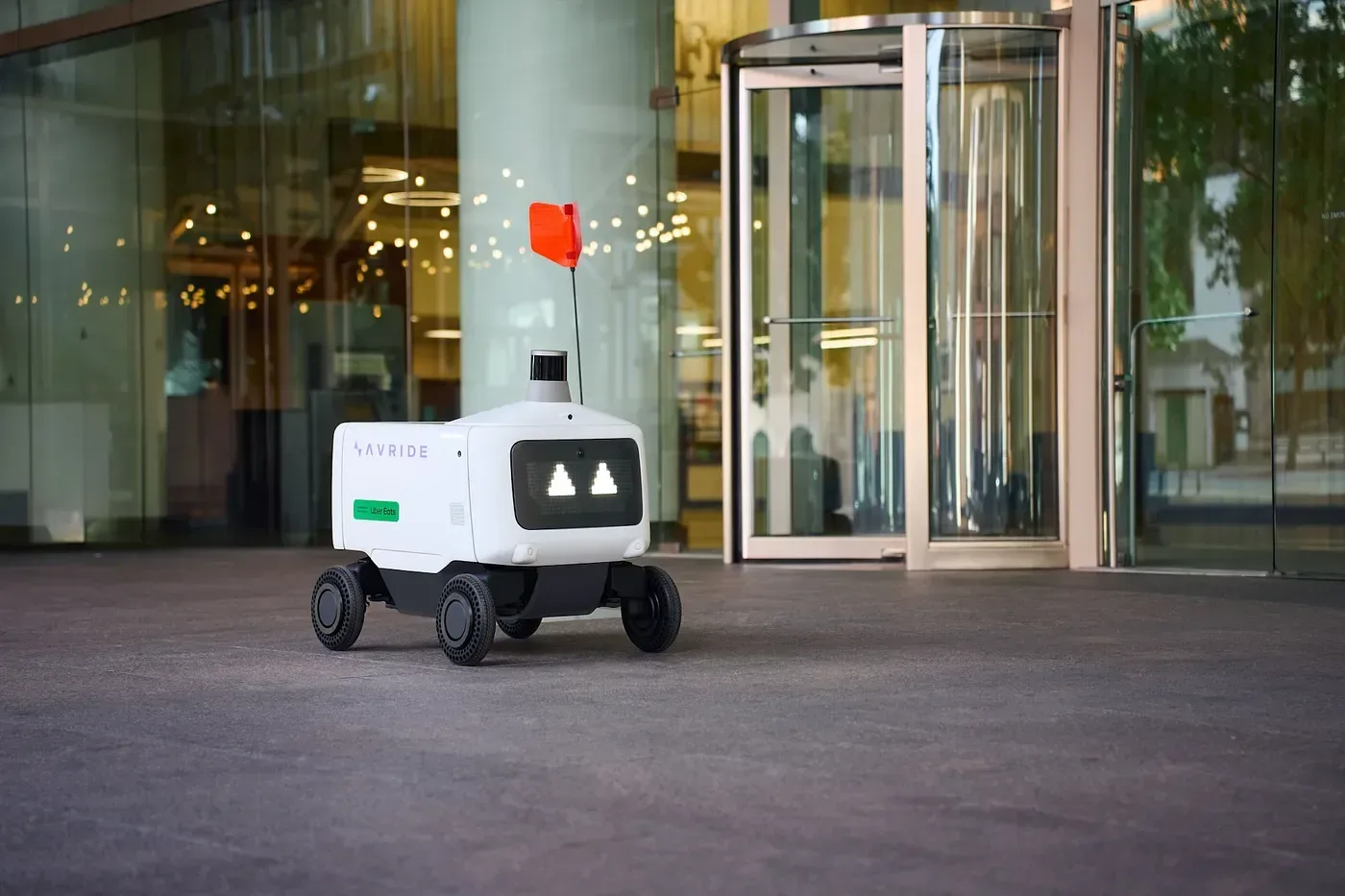
The intersection of physical automation and human labor just got a lot more complicated in Philadelphia. According to The Verge, Carolyn Marvin was arrested and charged with disorderly conduct after deliberately blocking the path of an Uber delivery robot. She refused to move when asked by police, leading to her handcuffing and arrest. This is not just a local news story about a traffic dispute. It is a stark symbol of the cultural and legal tensions emerging as robots enter our daily public spaces.
Marvin told local ABC13 that her actions were a form of protest. She stated she knew the robots were taking jobs from human delivery workers. By standing in front of them and preventing forward movement, she aimed to disrupt the automation she views as a threat to livelihoods. Her intent was clearly political, framing the robot not as a convenience but as an adversary to human employment. This perspective is shared by many in the gig economy who feel the pressure of algorithmic management and automation.
The police response was swift and decisive. Officers arrived at the scene and asked Marvin to clear the path. When she refused, they proceeded to place her in cuffs. The incident was captured on video, which has since garnered considerable media attention. The visual of a human being physically restrained by law enforcement for obstructing a small autonomous vehicle is powerful. It underscores how seriously authorities are taking these disruptions to public order.
Delivery robots have become a common sight in many cities. They promise efficiency and reduced labor costs for companies like Uber. However, they also raise questions about safety, accessibility, and the future of work. Marvin’s arrest brings these abstract debates into a concrete, legal reality. It shows that the friction is not just theoretical. It is happening on sidewalks right now, with real consequences for those who challenge the status quo.
This incident also highlights the legal gray areas surrounding autonomous vehicles in public spaces. Current laws are not always equipped to handle scenarios where a human intentionally obstructs a robot. Is blocking a robot a form of protest? Is it a public nuisance? Or is it a new type of property crime? The arrest suggests that law enforcement currently views it as disorderly conduct. This sets a precedent that could impact how similar protests are handled in the future.
For AI enthusiasts and entrepreneurs, this is a critical case study in deployment strategy. It is not enough to build a functional robot. You must also consider the social and legal implications of its presence. Companies deploying autonomous systems need to anticipate resistance and have clear protocols for handling it. Ignoring the human element of automation can lead to costly legal battles and reputational damage. The technology is ready, but the societal infrastructure is still catching up.
What this means for you is that the narrative around AI is shifting from pure efficiency to social integration. As you integrate AI tools into your workflow, consider the human impact. Are you replacing roles? Are you creating new friction? Use AI to analyze public sentiment and predict potential points of resistance in your own projects. Try this prompt with your AI assistant: Analyze the potential social backlash of deploying autonomous delivery robots in dense urban areas and suggest three community engagement strategies to mitigate resistance from local workers.
Ready to apply this tech at your business?
Viking Net helps teams in San Antonio and worldwide stay ahead.